
Host with several chilled dishes
You’re looking for easy-to-access chilled storage for opened hummus and other dishes or containers, and want to check the storage temperature too.


A spacious fridge without a freezer compartment is a good choice for opened hummus and other dishes if you mainly need chilled storage. A table-top model can provide extra space, while a fridge-freezer makes sense if you also use freezer space. Choose based on the usable capacity and the space available, then check with a separate thermometer after installation to make sure the fridge stays at 4 °C, as advised by the Voedingscentrum. A fridge is no substitute for handling opened hummus safely.
You’re looking for easy-to-access chilled storage for opened hummus and other dishes or containers, and want to check the storage temperature too.
You may need extra chilled storage for a gathering and are weighing up a table-top model against a larger main fridge.
You need to take the available floor or recess space into account and want to compare the energy consumption of suitable models.
First, work out how much chilled storage all the dishes will need and what space is available. Then compare the temperature controls and annual energy consumption of models that fit the space.
| Buying consideration | What should you look for? | Who does this matter most to? |
|---|---|---|
| Controlled chilling | Check the temperature controls and, after installation, use a separate thermometer to see whether the fridge reaches 4 °C. | I want to store opened hummus at a controlled temperature, rather than relying on a display alone. Around 36% of consumers give controlled chilling top priority. |
| Usable fridge space | Compare the fridge capacity separately from the freezer capacity, and check whether your dishes fit on the shelves. | If I’m chilling several covered dishes at once, I want to know whether they’ll actually fit on the shelves. Around 29% of consumers give usable fridge space top priority. |
| Fit in the available space | Measure the available space. For an integrated model, also check the recess dimensions and hinge type of the exact model. | When replacing a fridge, the appliance needs to fit in my recess, with enough room for the door. Around 21% of consumers place the greatest importance on a good fit in the available space. |
| Energy consumption | Compare annual consumption in kWh between models with suitable fridge capacity. | Once the space and location are decided, I want to compare annual energy consumption. Around 14% of consumers give energy use top priority. |
The temperature can vary depending on where the fridge is placed, how full it is and how often the door is opened. The Voedingscentrum advises setting a fridge to 4 °C.
After installation, check it with a separate fridge thermometer and adjust the setting if needed before storing opened hummus in the fridge.
Some of the stated capacity may be freezer space. The Consumentenbond points out that the stated capacity doesn’t always show how much you can practically fit in a fridge.
Compare the fridge capacity separately, and check the dimensions of your dishes and the shelf layout.
Milieu Centraal advises switching on a second fridge only for parties, or considering one larger appliance that suits your needs.
Work out whether you regularly need extra chilled storage before choosing a second appliance.
A second fridge that runs all the time uses extra electricity; annual consumption depends on the exact model and how long the appliance is switched on.
For an integrated model, the recess and hinge type must suit the exact model. An energy label class alone doesn’t tell you how many kWh the appliance uses per year.
Check the installation details and compare the annual consumption of models with similar fridge capacity.
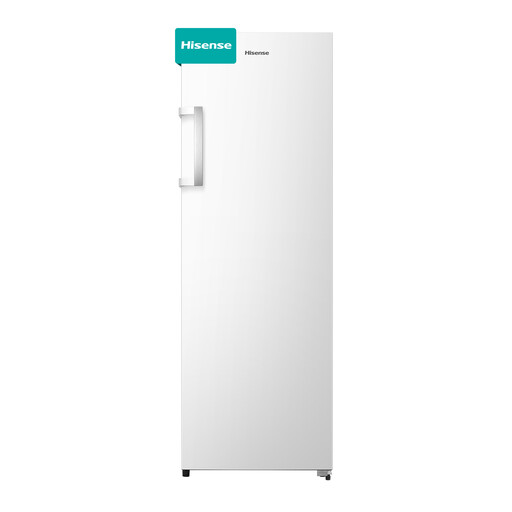
The KSV33VWEP is an example of a spacious freestanding fridge without a freezer compartment.
The Re 1400 Pure is a table-top model for anyone looking for additional chilled storage.
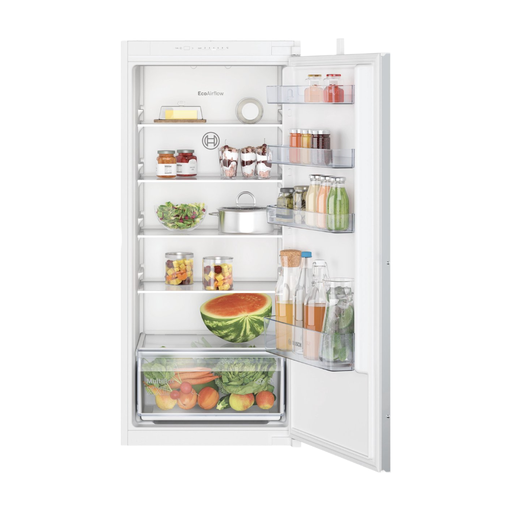
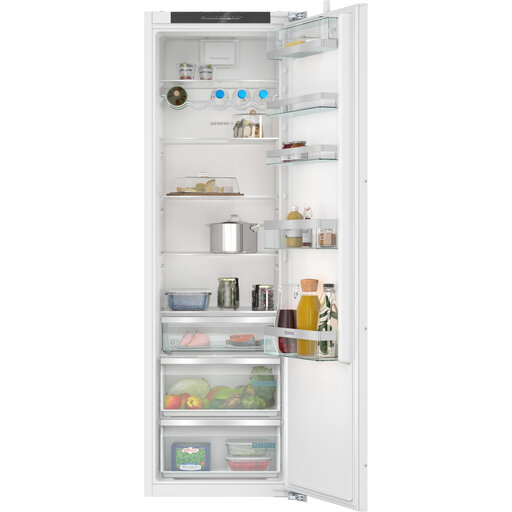
The KI81RADD0 is an example of a spacious integrated fridge without a freezer compartment.
The brand offers a range of fridge types and capacity classes, including fridge-freezers and integrated models.
This selection includes integrated and freestanding fridges, including fridge-freezers, for keeping several dishes chilled during a meal. Check the available fridge space, fit and temperature after installation for each model.
 No image available
May suit you if you’re looking for an integrated fridge without a freezer compartment. Check that the recess and ventilation space are suitable.
The product description lists a net capacity of 204 l and temperature control around 4 °C. After installation, check whether the fridge actually stays at 4 °C.
 No image available
A freestanding model to compare if you need fridge space for several dishes. Check that its dimensions suit the space available.
The product description lists a capacity of 322 l, five shelves, two salad drawers, digital temperature control and annual energy consumption of 87 kWh.
 No image available
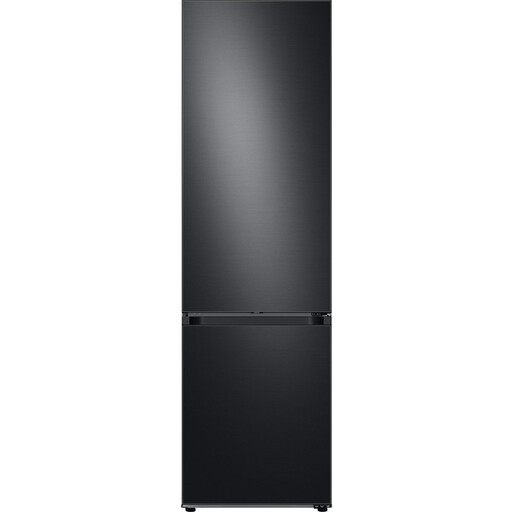
Suited to anyone looking for a separate freezer compartment as well as fridge space; for party dishes, only the fridge compartment counts.
Of the stated 387 l total, 273 l is fridge space and 114 l is freezer space. The product name lists energy class A.
 No image available
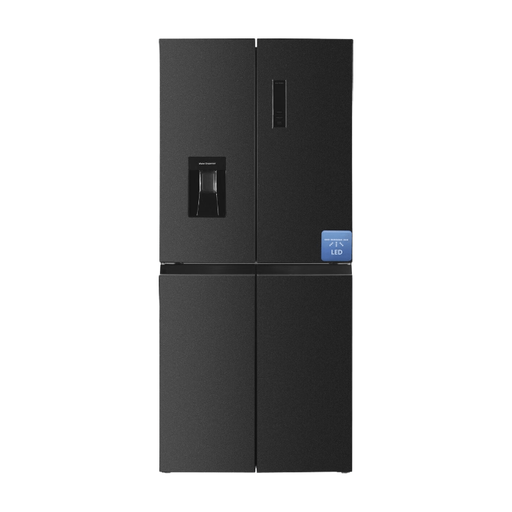
A freestanding fridge-freezer to consider if you need both fridge and freezer space for your meal.
The product description lists a total capacity of 419 l, including 269 l of fridge space and 150 l of freezer space, with three fridge shelves. The stated dimensions are 180 × 79 × 70 cm.
 No image available
May suit you if you’re looking for an integrated fridge for several dishes. Check the recess and door design before buying.
The product description lists a net capacity of 310 l, seven shelves and two salad drawers.
The Voedingscentrum says plain hummus keeps for 1–3 days in the fridge if homemade, and 5–10 days if shop-bought. This isn’t a guarantee for hummus that has been left unrefrigerated for a long time or contaminated by used cutlery. Use clean cutlery and follow the relevant label or storage advice for other varieties.
Set the fridge to 4 °C and check the actual temperature with a separate fridge thermometer. The Voedingscentrum advises placing the thermometer in the middle of the bottom shelf and taking a reading after half a day or overnight. Adjust the setting if needed, and don’t rely on the dial or display alone.
No. Put perishable food back in the fridge as soon as possible. The Voedingscentrum advises not leaving perishable food out of the fridge for more than 2 hours, after which it should be thrown away. It’s better to serve small portions than to put out the whole supply at once.
No. According to ACM ConsuWijzer, the statutory guarantee applies for as long as you can reasonably expect the product to function properly with normal use. An additional manufacturer’s or seller’s guarantee doesn’t limit this statutory right; if a product is faulty, contact the seller.
Fridges must have an energy label; the current EU scale runs from A to G. The European Commission explains that the label provides information about the energy efficiency class and energy consumption, so you can also compare the stated consumption of models with suitable fridge capacity.