Who is this for?

If you make fresh dressing

If you make dressing with yoghurt or other perishable ingredients, you’ll want to know whether your fridge is actually cold enough. The Netherlands Nutrition Centre recommends a fridge temperature of 4 °C and suggests using a fridge thermometer to check it.

If you have limited worktop space

If you don’t want an appliance on the worktop, check whether you have a suitable floor space or a suitable spot beneath the worktop. Freestanding table-top models and under-counter models need to be installed in different ways.

If you’re considering extra fridge space

An additional fridge can give you room for jars, but it also uses electricity while it’s switched on. Milieu Centraal points out that two refrigeration appliances use more energy combined than one larger appliance.

What should you look for when choosing?

Use your existing fridge

Choose this if: there’s already room for the sealed jars and the temperature stays around 4 °C when checked.

The trade-off: you won’t gain extra fridge space, but you won’t need to install a second appliance.

A freestanding table-top model

Choose this if: you have space next to or beneath the worktop, but no suitable built-in recess.

The trade-off: measure the available space and follow the model’s installation instructions; the external dimensions don’t tell you how cold the appliance will stay in use.

An under-counter fridge

Choose this if: you have a suitable recess and want to keep the worktop clear.

The trade-off: check the recess dimensions, door fitting and installation instructions; this type isn’t necessarily suitable for freestanding use.

A very small fridge in a separate spot

Choose this if: you only want to chill a few jars and have a suitable spot away from the worktop.

The trade-off: check that the jars will fit and measure the actual temperature once the fridge is installed; a small external size doesn’t guarantee this.

Buying concern What should you check? Who is this important for?
Reliable cooling Once the fridge is installed, measure the actual temperature with a fridge thermometer; don’t rely on the thermostat setting alone. If I make dressing with perishable ingredients, I want to know how cold the fridge actually is. Around 34% of consumers say reliable cooling is their main buying concern.
Worktop space and installation Measure the available space and check the external dimensions, recess, doorway and installation instructions. If I want to keep the worktop clear, the appliance needs to fit next to or beneath it. Around 33% of consumers prioritise keeping their worktop space free.
Energy consumption Compare the annual consumption in kWh on the energy label and consider whether your existing fridge will be sufficient. If I want to keep an additional fridge running all the time, I weigh the extra storage space against the energy consumption. Around 20% of consumers say extra energy use is their main buying concern.
Room for jars Check the shelf height and whether the parts you want to clean are accessible or removable. If I want to store sealed jars of dressing, a practical shelf layout matters more than the total capacity alone. Around 13% of consumers prioritise the layout for jars.

Common mistakes

  • Choosing a mini fridge for the worktop to save space

    A small appliance still takes up worktop space. A second fridge that’s always switched on also uses extra electricity.

    First check whether there’s room in your existing fridge, then measure a spot away from the worktop.

  • Treating an under-counter model as a freestanding fridge

    An under-counter model is designed to fit into a suitable recess and may require a specific type of door fitting.

    Check the recess dimensions, door fitting and installation instructions before choosing a model.

  • Assuming the set temperature is the actual temperature

    The thermostat setting alone doesn’t tell you whether the area where you keep your dressing stays around 4 °C.

    Once the fridge is installed, check it with a fridge thermometer and adjust the settings if necessary.

Brands to consider

Inventum

Freestanding table-top models such as the KK550 are an option if you have a separate spot available.

  • Inventum lists 131 litres of fridge space, adjustable shelves and external dimensions of 85 × 55 × 58 cm for the KK550.
  • These specifications don’t tell you whether the fridge will stay around 4 °C in your home; check the temperature once it’s installed.

Liebherr

The Rd 1200 is a freestanding table-top model for a spot with 50 cm of available width.

  • Liebherr lists a capacity of 110 litres, external dimensions of 85 × 50 × 60,7 cm and a setting range of +2 to +8 °C via TouchControl.
  • The set temperature isn’t a measurement of the actual temperature. Make sure you also allow for the stated depth.

Bosch

The KUR21VFE0 is an under-counter model for a kitchen with a suitable recess.

  • Bosch lists 134 litres of fridge space, recess dimensions of 82 × 60 × 55 cm and a flat hinge.
  • This model isn’t a direct replacement for a freestanding fridge unless you have a suitable recess and door fitting.

Fridges at Joybuy

This selection includes compact fridges for extra chilled storage, from freestanding models for a spot next to or beneath the worktop to a very small fridge. Measure the available space first; a model placed on the worktop will take up working space.
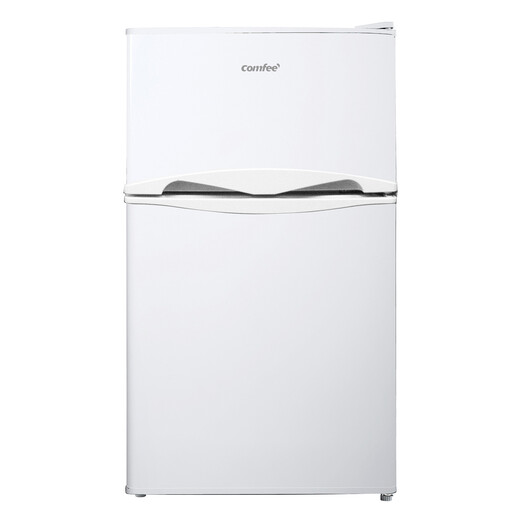
COMFEE' RCT87WH2EU(E) table-top fridge

COMFEE' RCT87WH2EU(E)

A compact fridge for anyone looking for chilled storage; the product name lists removable shelves, an adjustable thermostat, a reversible door and an E energy rating.

According to the product information, the separate chiller compartment is only intended for short-term storage: don’t store anything in it for longer than 2 hours to prevent it from freezing.

Joybuy
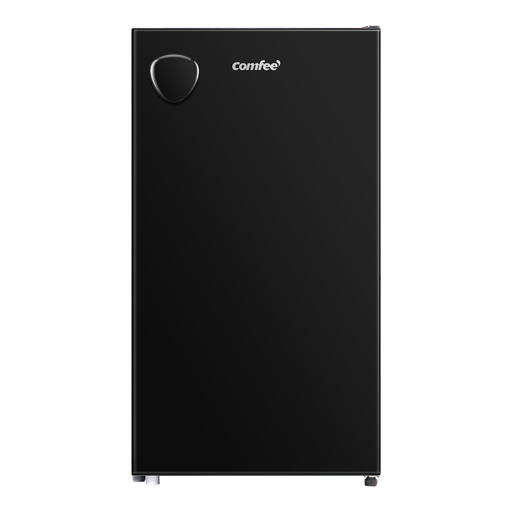
COMFEE' RCD92BL2EUY(E) 88-litre fridge

COMFEE' RCD92BL2EUY(E), 88 litres

A freestanding model for anyone looking to place extra fridge space next to or beneath the worktop; the product name lists an 88-litre capacity, removable glass shelves, an adjustable thermostat and a reversible door.

According to the product information, the separate chiller compartment is only intended for short-term storage: don’t store anything in it for longer than 2 hours to prevent it from freezing.

Joybuy
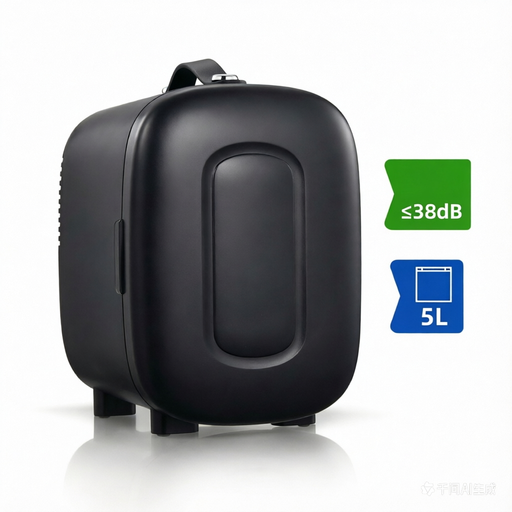
FOHERE 12V/220V mini fridge

FOHERE 12V/220V mini fridge

The product name lists 12V and 220V connections for this very small fridge.

The cooling mode described lowers the temperature relative to the ambient temperature, but doesn’t specify a fixed cooling temperature. Before storing perishable dressing in this fridge, check with a thermometer that it reaches the temperature you need.

Joybuy

TCL RF120DWE0 90-litre fridge with chiller compartment

TCL RF120DWE0, 90 litres

A compact fridge for anyone looking for a main fridge compartment with a separate chiller compartment; the product name lists a 90-litre capacity and an E energy rating.

A stated cooling range doesn’t tell you the temperature during use. Check with a thermometer that the area where you keep the dressing stays around 4 °C.

Joybuy
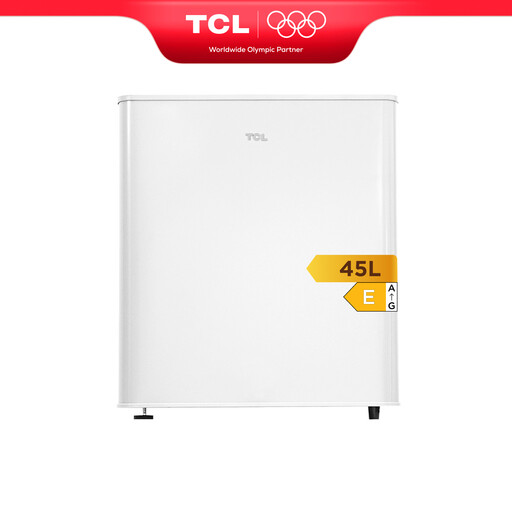
TCL RF60DWE0 compact mini fridge

TCL RF60DWE0 mini fridge, 45 litres

A compact table-top model for anyone looking for chilled storage; the product name lists a glass shelf, bottle rack, adjustable feet and an E energy rating.

Measure the available space and check the actual temperature with a fridge thermometer once the appliance is installed.

Joybuy

Frequently asked questions

How can you check whether your fridge is cold enough for perishable dressing?

Set the fridge to 4 °C and check the actual temperature with a fridge thermometer. The Netherlands Nutrition Centre recommends placing the thermometer in the middle of the bottom shelf for half a day or overnight, then adjusting the setting if necessary.

How long can you keep homemade dressing?

It depends on the recipe and ingredients; don’t automatically use the same storage time as for an opened shop-bought dressing. The Netherlands Nutrition Centre recommends covering prepared leftovers and refrigerating them within 2 hours, then keeping them in the fridge for no more than 2 days.

What should you consider when installing and cleaning the fridge?

Measure the available space and follow the installation instructions for your chosen model. Check that the door can open fully and that the shelves are accessible or removable, so you can clean up any spilled dressing. For an under-counter model, the recess dimensions and door fitting are important too.

What should you consider when it comes to energy use and warranties in the Netherlands?

When comparing new fridges, check the EU energy label, which ranges from A to G, and the annual consumption in kWh. Consumer purchases in the Netherlands don’t have a fixed statutory warranty period; if a product is faulty, contact the retailer. Any manufacturer’s warranty is separate from this.

What can you do with your old fridge?

According to the Dutch Government, you can take an old appliance to the shop or online retailer where you buy a new, similar appliance, or to your local council recycling centre. Ask the retailer how collection will be arranged with your order.
