Choose a fridge that can actually reach and maintain 4 °C where it will be placed; the Netherlands Nutrition Centre recommends this temperature for opened cream. A compact model may suit you if you have little to keep chilled, while an under-counter fridge offers more space if you also store meals. Bear in mind that a freezer compartment takes up space that could otherwise be used for chilled food. If the cottage is unheated, also check that the ambient temperature falls within the range specified for your chosen model.
Which size is right for you?
Holidaymaker with little to keep chilled
You want to keep opened cream and a few other food items chilled without taking up space with a large appliance. The Netherlands Nutrition Centre recommends putting opened cream back in the fridge promptly and keeping it at 4 °C.
Guest who also stores meals
You bring more chilled groceries and want enough usable fridge space. Compare the capacity of the fridge compartment and the stated energy consumption in kWh per year, as recommended by Milieu Centraal.
User of an unheated cottage
You want to check whether the fridge will work at the temperature the space actually reaches. The Consumers’ Association notes that suitability for lower ambient temperatures varies by model.
What should you look for when choosing?
Compact fridge without a freezer compartment
Choose this when: you have little else to store besides opened cream and limited space.
Trade-off: a 43-litre model takes up little room, but offers less storage space than an under-counter fridge.
Under-counter fridge without a freezer compartment
Choose this when: you also store other chilled food during your stay and have room for a larger appliance.
Trade-off: compare the energy consumption of each specific model in kWh per year. The energy rating alone won’t tell you which appliance will use less energy in your circumstances.
Under-counter fridge with a freezer compartment
Choose this when: you want to freeze food as well as chill products.
Trade-off: the freezer compartment takes up space that could otherwise be used for chilled groceries.
Built-in mini fridge
Choose this when: you have a suitable cabinet and specifically want a compact built-in solution.
Trade-off: check the installation requirements and whether the model suits your intended use. A professional built-in model isn’t necessarily the simplest choice if you want a freestanding fridge.
The Netherlands Nutrition Centre recommends storing opened cream at 4 °C. So don’t just look at capacity: check the temperature where the fridge will be placed, too.
| What to consider |
What should you check? |
Who should pay particular attention? |
| Temperature for cream |
Check the temperature range and, once the fridge is in place, use a fridge thermometer to take a reading. |
If I want to store opened cream, I need to know whether the appliance can really reach 4 °C where I’ve placed it. For around 42% of consumers, the correct storage temperature is the top priority. |
| Fridge space |
Compare the capacity and layout of the fridge compartment, not just the total volume. |
If I’m storing groceries for several days as well as cream, I want enough fridge space without an unnecessarily large appliance. Around 25% of consumers prioritise space for other chilled groceries. |
| Where it will be placed |
Measure the room temperature and check the climate class and model-specific guidance. |
If the fridge is going in a space that could get cold or warm, I need to know whether the manufacturer says the model will work there. For around 17% of consumers, suitability for the location is the top priority. |
| Energy use and noise |
Compare the stated kWh per year and noise level of the models you’re considering. |
If the appliance is near my seating or sleeping area, or will be running for long periods, I’ll consider its noise and energy use. Around 16% of consumers prioritise these running costs and comfort factors. |
Avoiding common buying mistakes
-
Assuming the thermostat setting proves the fridge is at the right temperature
The selected setting doesn’t necessarily show how cold it actually is inside the fridge. The Netherlands Nutrition Centre recommends storing opened cream at 4 °C.
Once the fridge is in place, check it with a fridge thermometer and adjust the settings if necessary.
-
Putting a mini fridge in an unheated space without checking first
The suitable ambient temperature varies by model and climate class. A stated climate class of N/ST doesn’t automatically mean an appliance is suitable for lower temperatures.
Compare the lowest temperature the location is likely to reach with the climate class and the guidance for the specific model.
-
Choosing a freezer compartment when you only need to chill food
On the Inventum KV550, 16 litres of the total 113 litres are for freezing; the Inventum KK471W has 94 litres of fridge space and no freezer compartment. These manufacturer figures help you compare the layout, but don’t determine what size you need for your groceries.
Compare the fridge capacity separately and check the stated energy consumption in kWh per year.
Brands to consider
Inventum
The KK471W is a slim fridge without a freezer compartment, while the KV550 is a larger under-counter model with a freezer compartment.
- Inventum lists 94 litres of fridge space and a stated noise level of 39 dB for the KK471W. For the KV550, the manufacturer gives a total capacity of 113 litres: 97 litres for chilling and 16 litres for freezing.
- The stated specifications don’t prove that an installed appliance will reach 4 °C in all conditions. Check the temperature after installation.
DOMO
The DO91103 is a 43-litre mini fridge for anyone who wants to store just a few chilled products.
- DOMO lists a reversible door, an adjustable thermostat, climate class N/ST and a stated noise level of 41 dB.
- Check that the ambient temperature falls within the guidance for this model, particularly if you’re placing it in an unheated space.
Dometic
The HiPro Care C60SBI is a compact built-in compressor fridge from Dometic’s professional care range.
- Dometic states that this model can reach 4 °C at ambient temperatures of up to 32 °C.
- Check the installation requirements: this is a specific built-in model. The 60-litre model name doesn’t mean it has a stated IEC total volume of 60 litres; that figure is 49 litres.
Fridges to compare
These compact fridges are included for comparison if you need to store opened cream and other chilled groceries. Once your fridge is in place, use a thermometer to check whether it can maintain 4 °C where you’ve put it.
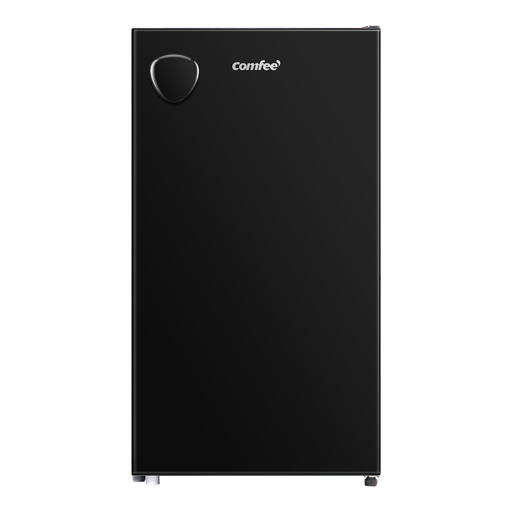 Image unavailable
COMFEE' RCD92BL2EUY(E), 88 litres
Worth comparing if you want to store other food as well as cream in a compact space.
Capacity: 88 litres. The product description lists an adjustable thermostat and a separate chill box. According to the description, the chill box is for short-term chilling only; don’t store products in it for more than 2 hours to prevent them from freezing.
View at Joybuy
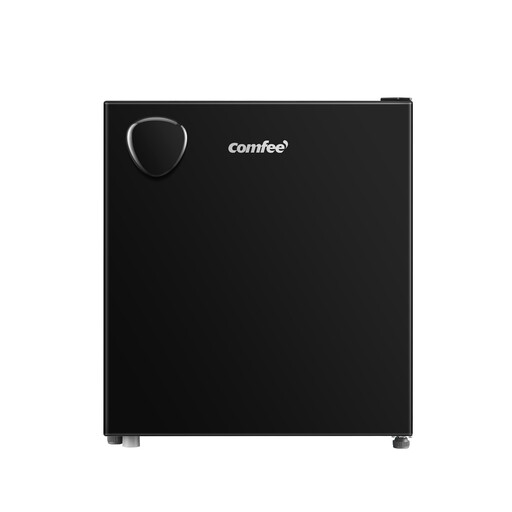 Image unavailable
Comfee' RCD48BL2EUY(E), 43 litres
A compact option to compare if you have little to keep chilled and limited space.
Capacity: 43 litres. The product information lists three temperature settings and a separate chill box.
View at Joybuy
 Image unavailable
TCL RF120DWE0, 90 litres
Worth comparing if you want to store cream and several other chilled groceries.
Total capacity: 90 litres. The product description lists mechanical controls, adjustable shelves and a separate chiller box.
View at Joybuy
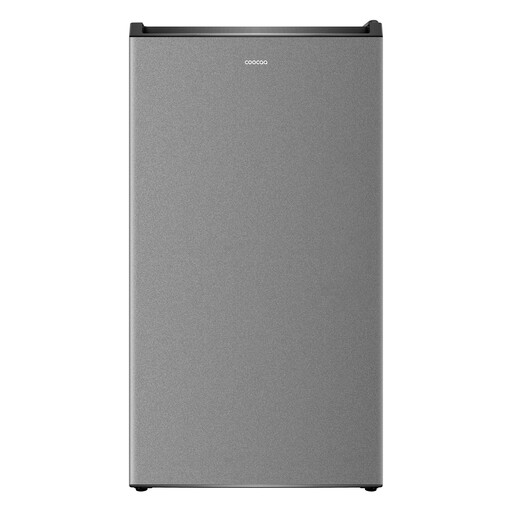 Image unavailable
Coocaa single-door fridge, 83 litres
An option to compare if you’re looking for a fridge without freezer space for cream and other chilled essentials.
The product information lists 83 litres of usable fridge capacity, no usable freezer capacity, temperature control and energy rating E.
View at Joybuy
 Image unavailable
CHiQ JR92DSE, 92 litres
Worth comparing if you want space for cream and several other chilled food items in a compact fridge.
Fridge capacity: 92 litres. The product information lists an adjustable temperature setting, adjustable glass shelves and a reversible door. The product name mentions a 12-year compressor warranty.
View at Joybuy
Frequently asked questions
How long can opened cream be kept in the fridge?
It depends on the type of cream. The Netherlands Nutrition Centre advises keeping opened, unwhipped cream in the fridge for 4–6 days and coffee cream for 5–7 days. Put the cream back in the fridge promptly after use and keep it at 4 °C. Always follow the instructions on the packaging, too.
How can I check that the fridge is cold enough once it’s in place?
The Netherlands Nutrition Centre recommends placing a fridge thermometer in the middle of the bottom shelf and leaving it there for half a day or overnight. Then check that the temperature is 4 °C and adjust the fridge if necessary.
Can I keep a fridge in an unheated holiday cottage?
That depends on the lowest ambient temperature and the specific model. The Consumers’ Association gives 16 °C as the lower limit for climate class N and 10 °C for SN. Check the climate class and any additional guidance from the manufacturer for the fridge you’re considering.
How do I compare energy use, and what if the fridge breaks down?
Compare the stated kWh per year; the actual cost also depends on your electricity tariff and how long the appliance is switched on. In the Netherlands, statutory consumer rights apply alongside any manufacturer’s warranty. If a product breaks down sooner than you could reasonably expect when used normally, the seller is responsible for providing an appropriate solution at no extra cost.


