
Families serving berries soon
Looking for a practical drawer and a fridge temperature they can check, rather than relying on a general promise of freshness. The Netherlands Nutrition Centre recommends setting the fridge to 4 °C.


If you’ll be serving your berries within a few days, focus on having a practical crisper drawer and check that the fridge is set to around 4 °C; a freshness feature doesn’t guarantee that they’ll keep for longer. If you want to freeze portions for later, compare the freezer space and freezing capacity too, and check that the dimensions and annual energy consumption suit your kitchen and how you’ll use the appliance.
Looking for a practical drawer and a fridge temperature they can check, rather than relying on a general promise of freshness. The Netherlands Nutrition Centre recommends setting the fridge to 4 °C.
Want space for fresh fruit as well as the option to freeze portions. So, check the layout and freezing capacity of the freezer compartment.
Need enough room for the appliance and the weekly shop without taking up more kitchen space than necessary. Measure the available space and check how the interior is laid out.
Start by deciding whether you’ll be serving the berries soon or want to save portions for later too. Then check that the appliance will fit and compare the annual energy consumption of models that meet your space requirements.
| What to consider | What to look for | Who this matters most to |
|---|---|---|
| Keeping berries chilled | Check whether the packaging fits in the crisper drawer and measure the actual fridge temperature. The Netherlands Nutrition Centre recommends 4 °C and advises keeping berries dry. | If I’m serving berries within a few days, I want to be able to store them without squashing them and check the temperature. Around 36% of consumers prioritise keeping food fresh in the fridge. |
| Freezing portions | Compare the usable space in the freezer drawers and the freezing capacity of the exact model. The Netherlands Nutrition Centre recommends storing strawberries and raspberries in the freezer for 8–12 months; their quality may deteriorate after that. | If I buy more berries than I need for the next meal, I want to be able to save portions for later. Around 29% of consumers prioritise freezing. |
| Size and layout | Measure the available space and check the external dimensions and layout of the fridge and freezer compartments. The Consumers’ Association warns that the stated capacity doesn’t always reflect what will fit in practice. | If my kitchen has limited space, I want to fit in my other shopping too, without installing an unnecessarily large appliance. Around 21% of consumers choose mainly based on size and layout. |
| Energy consumption | For models that fit your space, compare the annual consumption in kWh shown on the EU energy label. Work out the cost using your own electricity tariff. | If I choose an appliance that runs every day, I want to take its stated annual energy consumption into account. Around 14% of consumers prioritise energy consumption. |
A special drawer doesn’t prove that berries will stay fresh for longer. For strawberries and raspberries, the Netherlands Nutrition Centre recommends keeping them dry and following the storage advice for each type of fruit.
Check that the drawer is practical for your needs and measure the fridge temperature once the appliance is in place.
Damp packaging or a fridge that’s too warm can mean you have to throw fruit away sooner.
The stated capacity doesn’t give you the full picture of how much shopping will fit in practice. A layout that doesn’t suit your needs can make it harder to store berries and other food.
Measure the available space and check the fridge and freezer drawers separately.
The EU energy label also shows annual energy consumption in kWh. Your actual electricity costs will depend in part on your own tariff.
Compare the consumption of models that suit your space and layout, and calculate the cost using your own electricity tariff.
The Dutch product page for the freestanding Bosch KGN36VICT lists 218 l of fridge space, 103 l of freezer space, No Frost and VitaFresh.
The Dutch product page for the freestanding CNc 5023 lists a total capacity of 280 l, EasyFresh and NoFrost.
The Dutch product page for the Samsung RB34C605CS9/EF lists a 344 l capacity, energy class C and monitoring via SmartThings.
The product page for the freestanding Inventum KV2010B lists 256 l of fridge space, 122 l of freezer space, energy class A and No Frost.
This selection includes models with features to consider such as a crisper drawer, temperature control and space to freeze portions of berries.
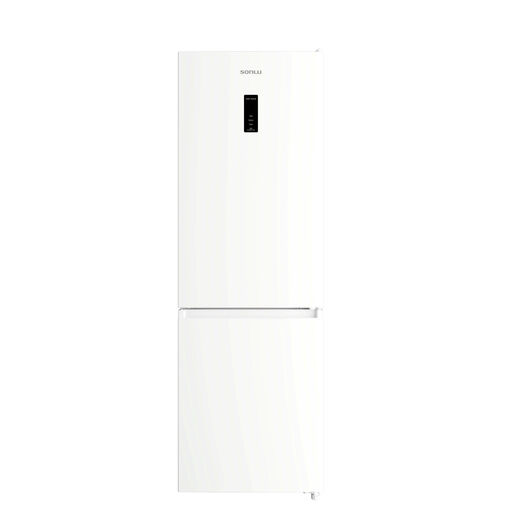 No image available
A good fit if you want freezer space for portions to save for later as well as fridge space.
211 L fridge capacity and 99 L freezer capacity; Quick-Freeze and electronic temperature control.
60 cm wide, reversible door, inverter compressor and energy class E.
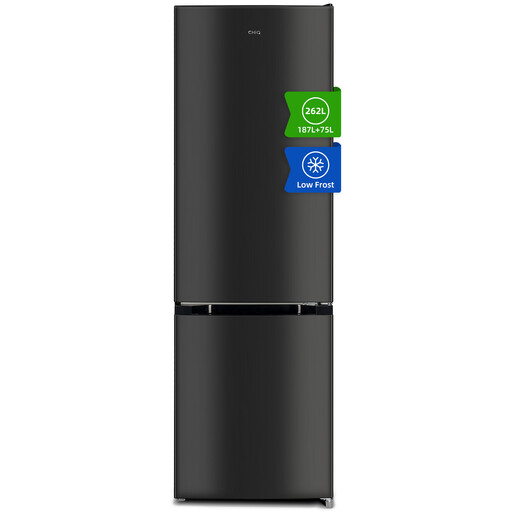
 No image available
A good fit if you want to store berries in the crisper drawer and weigh up the fridge and freezer space.
187 L fridge capacity, 73 L freezer capacity and a Fresh Zone crisper drawer.
55 cm wide; adjustable fridge temperature range of 2–8 °C, adjustable shelves and reversible door. Energy class E.
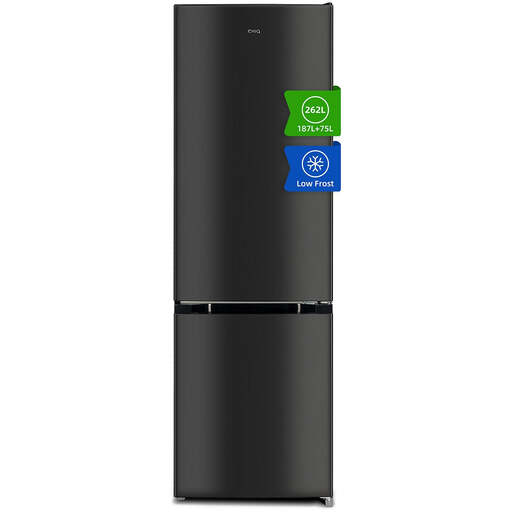
 No image available
A good fit if you want a separate crisper drawer and space for frozen portions too.
54 cm wide; humidity-controlled crisper drawer and four-star freezer.
Low Frost, 39 dB, adjustable shelves and reversible door.
 No image available
A good fit if you’re looking for a humidity-controlled drawer and temperature control is important to you.
187 L fridge capacity, 73 L freezer capacity and a humidity-controlled drawer.
Low Frost, 39 dB, four-star freezer and dark stainless steel.
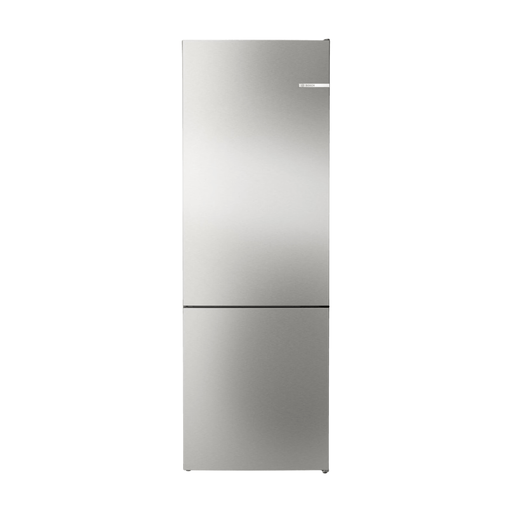 No image available
A good fit if you want to compare a VitaFresh compartment with the space available for frozen portions.
Total No Frost, VitaFresh and a 0 °C compartment.
Also listed: Multi Airflow, SuperCooling and SuperFreezing. The product specifications aren’t a berry-specific storage test.
Follow the Netherlands Nutrition Centre’s storage advice for each type of fruit and keep them in the fridge, making sure they don’t get damp. For opened packaging, the Centre recommends 1–3 days in the fridge. Keep strawberries with their green tops on in a sealed container in the crisper drawer; for raspberries, it recommends the original packaging or a paper bag. Set the fridge to 4 °C and check the temperature with a thermometer.
Freeze portions if you won’t use them within the short recommended period for chilled storage. The Netherlands Nutrition Centre recommends storing strawberries and raspberries in the freezer for 8–12 months and notes that their quality may deteriorate after that. Also follow the advice for preparing and packaging the type of fruit you’re freezing.
Measure the available space and check the external dimensions and layout of the model you’ve chosen. The Consumers’ Association notes that the stated capacity may not match how much you can actually fit inside. Also check that the appliance is suitable for the space where you plan to install it, such as a cold, unheated room.
The EU energy label for household fridges and freezers uses a scale from A to G and shows details including annual energy consumption in kWh, capacity and noise. Compare the information for the exact model and estimate the cost by multiplying its consumption by your own tariff per kWh. Your actual bill may differ.
If a product is faulty, the Dutch government says you can contact the retailer; a manufacturer’s guarantee doesn’t replace your statutory rights. When you buy a new, similar appliance for personal use, the retailer must take away the old one free of charge under the old-for-new scheme, including for online purchases. Check the arrangements for delivery, installation and connection separately.