
Host with plenty of chilled yoghurt
You want to keep yoghurt chilled while guests help themselves throughout the gathering. It’s important to be able to check the fridge temperature and to put the yoghurt back promptly after serving.


Start by checking the usable fridge space for both the yoghurt and your usual shopping, then use a separate thermometer to check that the fridge compartment reaches 4 °C, as advised by Voedingscentrum. Next, compare the shelf layout, dimensions and annual energy consumption. The stated capacity in litres won’t tell you exactly how many packs will fit in practice, and extra fridge space may use more electricity.
You want to keep yoghurt chilled while guests help themselves throughout the gathering. It’s important to be able to check the fridge temperature and to put the yoghurt back promptly after serving.
As well as the yoghurt, you’ll need room for your usual family groceries and other chilled food. Usable fridge space and a practical shelf layout matter more than the total capacity in litres alone.
You’re looking for a fridge-freezer that fits the space available without losing sight of how much room you need for yoghurt and everyday shopping.
Best for: when you need to store plenty of other chilled groceries as well as yoghurt, and have room for a tall appliance.
Bear in mind: compare the fridge capacity and shelves separately; a larger model may also have higher annual energy consumption.
Best for: when width is your main constraint and you’ve already checked that the fridge space will fit your packs.
Bear in mind: a narrower exterior doesn’t guarantee there’ll be room for both yoghurt and your usual shopping.
Best for: when the appliance needs to fit into an existing kitchen unit.
Bear in mind: check the niche dimensions, how the cabinet door is attached and how the door opens. The stated capacity isn’t the same as the practical space available on the shelves.
Best for: when your current fridge-freezer is otherwise suitable and you only need extra space for an occasional gathering.
Bear in mind: don’t leave a second fridge running constantly if you don’t need to. Keep yoghurt in the fridge compartment if you want to preserve its original texture.
First work out how much fridge and shelf space you need. Then check that the appliance will fit, before comparing annual energy consumption and the maintenance you’re prepared to do.
| What to consider | What to look for when buying | Who should pay particular attention? |
|---|---|---|
| Keeping yoghurt chilled | Set the fridge compartment to 4 °C, check the actual temperature with a separate fridge thermometer and put used yoghurt back promptly. This is in line with advice from Voedingscentrum. | If I’m serving yoghurt several times, I want to be able to check the temperature and put the packs back quickly. Around 36% of consumers prioritise being able to check that yoghurt is kept chilled. |
| Room for groceries | Compare the fridge and freezer capacities separately and check whether your yoghurt packs will fit on the shelves alongside your usual groceries. Consumentenbond points out that the stated capacity isn’t the same as the space that’s practically available. | I want room for my usual shopping as well as the yoghurt, without relying on the total capacity in litres alone. Around 29% of consumers prioritise usable fridge space for both. |
| Fit and positioning | Measure the available height, width and depth, and check how the door opens. For built-in models, also check the niche and how the cabinet door is attached. | If my kitchen is short on space, the appliance needs to fit and the door needs to open properly. Around 21% of consumers treat positioning as their first selection criterion. |
| Energy use and maintenance | Compare the stated annual energy consumption on the energy label of models with enough fridge space. No Frost relates to ice build-up in the freezer compartment, not the storage temperature of yoghurt. | I want to take energy use and maintenance into account after buying. Around 14% of consumers prioritise this consideration. |
The stated total includes the freezer, while drawers and shelves limit the space you can actually use. So a large total capacity doesn’t automatically tell you how many packs of yoghurt will fit.
Compare the fridge compartment separately and check that your own packs will fit on the shelves.
No Frost relates to ice build-up in the freezer compartment. It doesn’t show that the fridge compartment will keep yoghurt at 4 °C.
Choose No Frost if you want that feature in the freezer, and check the fridge temperature separately with a separate thermometer.
An extra fridge can use electricity unnecessarily if it’s left on all the time for a gathering that only happens occasionally. Milieu Centraal suggests switching one on temporarily for parties as an option.
Decide whether you need the extra fridge space temporarily or every day. If you’ll use it every day, compare the stated annual energy consumption.
A second fridge that’s left running constantly uses electricity even when you’re not hosting a gathering.
The Dutch range includes freestanding fridge-freezers, such as the KGN392LAG.
The Dutch range includes freestanding models such as the GBBS322CPY, which LG lists with a total capacity of 375 l.
The RCHE300K40WN is a freestanding fridge-freezer with a stated width of 54 cm.
Samsung lists the RB38C776ASR/EF as a fridge-freezer with a total capacity of 390 l.
This selection includes fridge-freezers with a range of stated capacities, including a built-in model. Compare the fridge capacity and shelves with your own packs; the total capacity in litres won’t tell you exactly how much usable space is available.
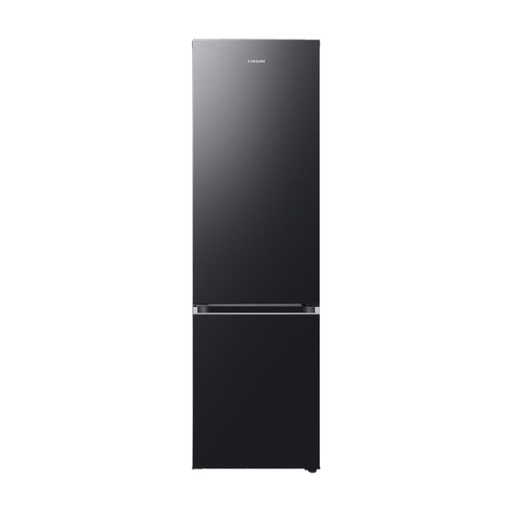 Image unavailable
An option to compare if you want to factor in the stated annual energy consumption and the available height in your kitchen.
Energy label A; stated consumption 108 kWh; height 2030 mm; Premium Black Steel.
 Image unavailable
A narrower model to compare if the width available in your kitchen is a key constraint.
Stated total capacity 260 l: 187 l of fridge space and 73 l of freezer space; width 55 cm; energy label E. The title lists adjustable shelves and a reversible door.
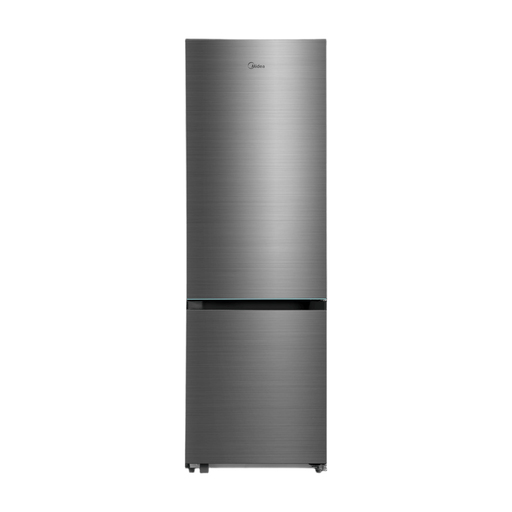 Image unavailable
A model to compare if you’re looking for a freestanding fridge-freezer for yoghurt and other groceries.
Stated total capacity 330 l; Total Frost Free; energy label E; Inox.
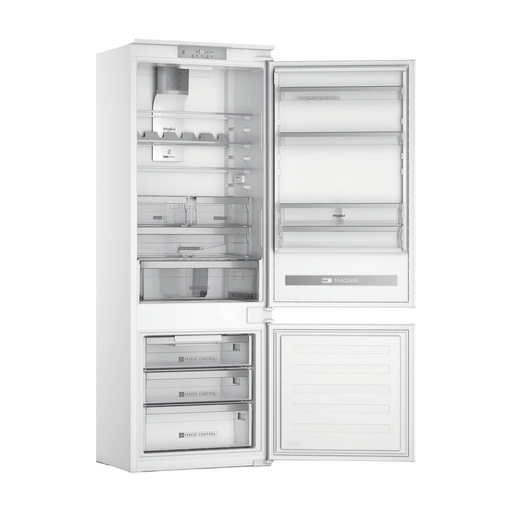 Image unavailable
A built-in model to compare if the appliance needs to fit into an existing kitchen unit.
Stated total capacity 400 l; energy label E. The stated niche dimensions are 194,4 × 72 × 55 cm; the product information specifies installation by a qualified professional.
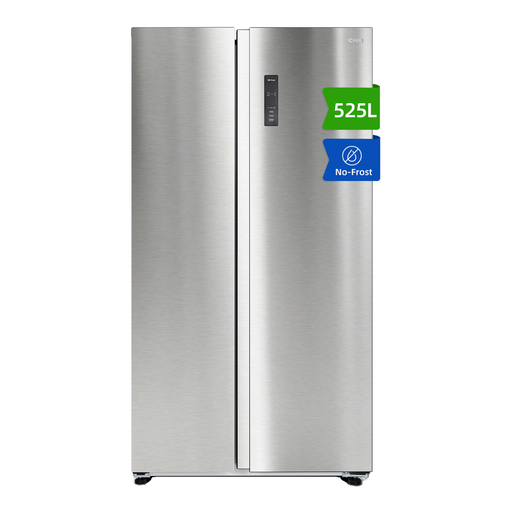 Image unavailable
A model with separately stated fridge and freezer capacities, which you can compare with your own grocery needs.
Stated total capacity 525 l: 333 l of fridge space and 192 l of freezer space; No Frost; energy label E.
Set the fridge compartment to 4 °C and check the actual temperature with a separate fridge thermometer, as advised by Voedingscentrum. Don’t rely on the setting or display alone. Take the yoghurt out shortly before serving and put it straight back afterwards.
Compare the stated fridge capacity and shelf layout with the packs and groceries you want to store. Consumentenbond explains that the stated capacity isn’t the same as the practical space available with shelves and drawers, so don’t look only at the combined total capacity of the fridge and freezer compartments.
It could be an option if your current fridge-freezer is otherwise suitable and you only need extra fridge space temporarily. Milieu Centraal suggests switching on a second fridge just for parties as one possibility. If you’ll use it every day, compare the stated annual energy consumption too.
According to Voedingscentrum, yoghurt can be frozen, but its texture may change. If you want to preserve the original texture for your guests, the freezer isn’t a substitute for having enough fridge space. Also follow the instructions on the packaging and check the use-by date.
The EU energy label uses a scale from A to G. Compare the label and stated annual energy consumption of models with enough fridge space. The label alone doesn’t tell you how many packs will fit on the shelves in practice.