Start with a fridge compartment where you can store yoghurt neatly and check the temperature: the Netherlands Nutrition Centre recommends 4 °C. Then compare the usable fridge space, dimensions, annual energy consumption and noise level. A larger freezer compartment is no substitute for a suitable spot in the fridge, and may mean less space or higher energy use.
Who is this for?
A housemate with their own supply of yoghurt
You share a fridge and want to keep opened yoghurt sealed, clearly labelled and in a regular spot. The temperature in everyday use and enough fridge space matter more than extra freezer features. The Netherlands Nutrition Centre recommends keeping yoghurt chilled.
Housemates who share a fridge
You want enough well-organised fridge space and need to balance the capacity you need against the size and energy consumption. Milieu Centraal and the Consumentenbond highlight capacity and layout as things to consider when choosing a fridge.
Someone with a small or open-plan kitchen
You’ll need to measure the available space carefully and check the stated noise level if the fridge will be close to your living area. Energielabel.nl and the Knowledge Centre for Sustainable Living list capacity and noise among the details worth comparing.
What should you look for when buying?
The Netherlands Nutrition Centre recommends keeping yoghurt at 4 °C. So don’t just look at the freezer features: consider the layout and temperature of the fridge compartment in everyday use too.
| What to consider |
What to look for when buying |
Who is this important for? |
| Keeping yoghurt cold and hygienic |
Check the fridge temperature with a fridge thermometer and make sure there’s a practical spot for sealed containers. |
I want to know whether the yoghurt is cold enough on the shared shelf and can be put back quickly after use. Around 31% of consumers say adequate cooling and hygienic storage are their main concerns when buying. |
| Sharing the fridge space |
Compare the fridge capacity separately from the freezer capacity and check whether the shelves suit the agreed space for each housemate. |
When several housemates share the space, I want to know whether there’s enough room in the fridge for everyone’s supplies. Around 25% of consumers prioritise a practical way to divide the fridge space. |
| Energy consumption |
Compare the annual consumption in kWh for models with a suitable capacity, and agree how the costs will be shared within the household. |
I pay attention to annual energy use because the fridge is always on and we share the bill. Around 19% of consumers put energy consumption and running costs first. |
| Space and noise |
Measure the width, height and depth, and allow for the door to open. Compare the stated noise level too. |
In a small or open-plan kitchen, I want to know in advance whether the fridge will fit and how loud it is rated to be. Around 13% of consumers prioritise where it will go and how noisy it is. |
| Freezer compartment and maintenance |
Work out how much freezer space your household really needs and check which defrosting system the model has. |
I want to store frozen food as well as chilled yoghurt, but don’t want to give more space than necessary to the freezer compartment. Around 12% of consumers focus mainly on freezer convenience and maintenance. |
Common buying mistakes
-
Assuming the total capacity is all fridge space
The total capacity of a fridge-freezer includes the freezer compartment too. The stated capacity also doesn’t tell you on its own how much usable shelf space each housemate will get.
Compare the fridge and freezer capacities separately, check the shelf layout and agree where the yoghurt containers will go.
-
Looking only at the energy rating
The energy label shows both a rating and the annual consumption in kWh. The rating letter alone doesn’t tell you how much energy a particular size of fridge will use each year.
First choose a suitable capacity, then compare the kWh consumption on the product-specific energy label.
-
Thinking NoFrost will keep yoghurt fresh
NoFrost prevents ice build-up and reduces maintenance in the freezer compartment. It doesn’t tell you whether the yoghurt in the fridge compartment is cold enough.
Consider NoFrost as a feature of the freezer compartment, and check the fridge temperature separately.
Brands to consider
Beko
The RCHE300K40WN is a freestanding fridge-freezer for anyone keeping an eye on the available width.
- Beko says this model is 54 cm wide, has NoFrost and is rated energy class E.
- Check the fridge and freezer capacities of the specific variant before deciding how much space will be left for yoghurt.
Bosch
The KGN36VXCT is a freestanding model worth comparing if you’re considering separate fridge and freezer capacities, an open-door alarm and noise level.
- Bosch lists 218 l of fridge space, 103 l of freezer space, a C energy rating, 35 dB and Total NoFrost for this model.
- The model is 60 cm wide. Manufacturer specifications don’t tell you what temperature yoghurt will reach in a busy, shared kitchen.
Liebherr
The CNc 5203 Pure NoFrost is worth considering if your household is looking for more total capacity to share.
- Liebherr lists a total capacity of 330 l, dimensions of 185,5 × 59,7 × 67,5 cm and a noise level of 35 dB.
- The total capacity isn’t all fridge space. Liebherr describes the EasyFresh drawer as being for fruit and vegetables, not as a dedicated yoghurt drawer.
Fridge-freezers at Joybuy
This selection includes fridge-freezers suited to shared food supplies, from models with a more compact stated width to combinations with greater total capacity. Compare the dimensions and separate fridge and freezer space with what your kitchen and food supplies require.
 No image available
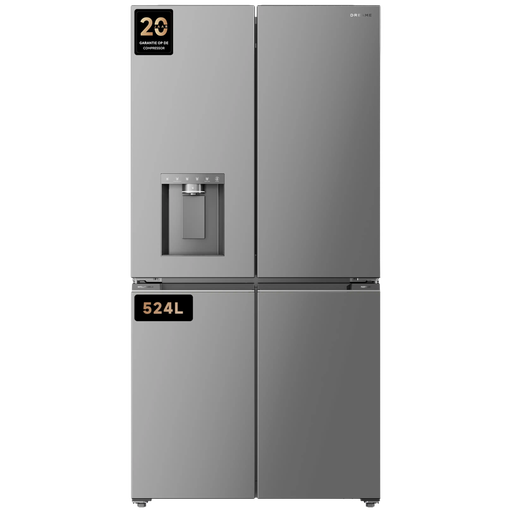
Dreame FizzFreshCube 90 DRC560WMXEEUP, 524L
This four-door model could suit a shared food supply if you have room for its wide design in your kitchen.
The product title lists a total capacity of 524L, No Frost, Wi-Fi and energy class E. When planning where to put it, allow for its stated width of 91,1 cm as well as the space needed for ventilation and the doors to open.
View at Joybuy
 No image available
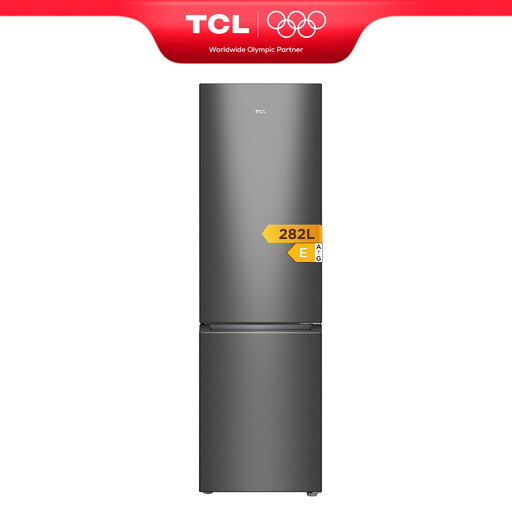
TCL RF366BSE0NL
Its stated width makes this model worth comparing if kitchen space is limited and you need a separate freezer compartment.
The product title lists a width of 55 cm, 202 l of fridge space, 80 l of freezer space and energy class E. Other listed features include Total No Frost, electronic controls and a reversible door.
View at Joybuy
 No image available
TCL RF338BSE0
Adjustable shelves can help you make room for your own yoghurt spot. Check that the layout works for the containers you plan to store.
The product title lists a width of 55 cm, 187 l of fridge space, 73 l of freezer space and energy class E. The product information gives a temperature range of 2–8 °C; check the actual temperature reached. Manual defrosting is listed. Low Frost doesn’t mean you won’t need to defrost it.
View at Joybuy
 No image available
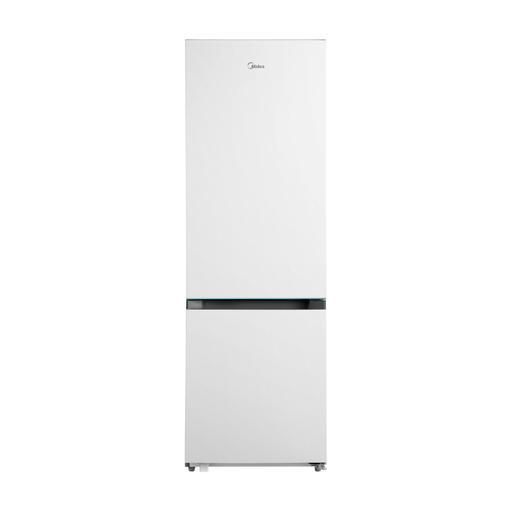
Midea MDRB457FGE01, 330L
The stated fridge capacity and four fridge shelves could be useful if several housemates want to organise their food together.
The product title lists a total capacity of 330L, Total No Frost, 35 dB and energy class E. The product information gives 232 l of fridge space and 98 l of freezer space. Allow for ventilation and room for the doors to open when planning where to put it.
View at Joybuy
 No image available
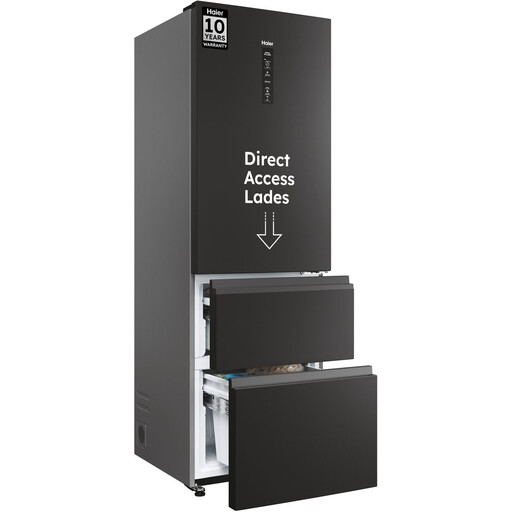
Haier HTW5618DNPT
The model specifications list different compartments and shelves for chilled storage. Check whether the layout suits the way you’ve agreed to share the space.
The product title lists Total No Frost, Wi-Fi and 3D Cooling. The stated external dimensions are 59,5 × 185 × 66,7 cm. Also check that the door can open fully in your kitchen.
View at Joybuy
Frequently asked questions
How can you check whether the yoghurt is cold enough?
The Netherlands Nutrition Centre recommends setting your fridge to 4 °C. Place a fridge thermometer in the middle of the bottom shelf and check it after half a day or overnight. Adjust the setting if needed.
How long can you keep an opened pack of full-fat yoghurt?
The Netherlands Nutrition Centre recommends keeping opened full-fat yoghurt in the fridge for 5–7 days. Use a clean spoon, put the pack back in the fridge at 4 °C soon after use, and follow the storage instructions on unopened packs. This advice applies to full-fat yoghurt and doesn’t necessarily apply to every type of yoghurt.
Should yoghurt go in the freezer if the fridge is opened often?
No, yoghurt for everyday use belongs in the fridge compartment. The Netherlands Nutrition Centre recommends putting yoghurt back in the fridge after use; freezing it can change its texture. If the fridge is used heavily by several people, check the temperature of the fridge compartment.
Which details can help you compare energy consumption?
Compare the annual consumption in kWh on the product-specific EU energy label, and also check the separate fridge and freezer capacities. Actual costs depend on your electricity tariff and how your household uses the fridge-freezer.


