Choose a fridge-freezer based on how much space you need for yoghurt and other chilled groceries, as well as the space available in your kitchen. Compare the fridge capacity, layout, dimensions and annual energy consumption. Set the fridge to 4 °C for yoghurt and check the temperature with a thermometer. A larger model gives you room for more food, but takes up more space. A compact model is only suitable if it can still hold all your chilled groceries.
Who is this buying guide for?
Host who wants to keep yoghurt chilled
You’re keeping fresh yoghurt for several people and want to be able to set and check the fridge temperature. The Netherlands Nutrition Centre recommends a fridge temperature of 4 °C and advises putting yoghurt back in the fridge promptly after use.
Shopper with lots of food for a festive meal
As well as yoghurt, you need room for other chilled ingredients. Compare the fridge capacity and shelf layout, not just the total capacity; the energy label lists the fridge and freezer capacities separately.
Shopper with limited kitchen space
You want to fit the appliance into a narrow space or an existing niche. Check the measurements of the space and, for a built-in model, the niche dimensions and door fitting too. The Consumers’ Association discusses the choice between freestanding and built-in models.
What should you look for when buying?
| What to consider |
What should you look for? |
Who is this important for? |
| Temperature control |
Check the temperature controls and, once the appliance is in place, measure the fridge temperature with a thermometer. |
If I’m storing yoghurt for several people, I want to be able to set and check the temperature; a door alarm doesn’t measure it. Around 36% of consumers put temperature control first when choosing an appliance. |
| Usable fridge space |
Compare the fridge capacity in litres and check that the shelves suit the containers and dishes you use. |
I want enough room for yoghurt and the other chilled food for the meal, without counting the freezer space. Around 29% of consumers prioritise usable fridge space. |
| Suitable dimensions |
Measure the space and the access route. Also check the door clearance and ventilation space, and, for a built-in model, the niche and door fitting. |
If my kitchen space is narrow or already has a niche, the appliance needs to fit and work there. Around 21% of consumers base their choice on the space available. |
| Energy consumption and maintenance |
Compare annual energy consumption in kWh and only consider No Frost if you also want less ice build-up in the freezer. |
I want to know how much the appliance uses in everyday use and how much attention the freezer needs. Around 14% of consumers prioritise running costs and maintenance. |
Common buying mistakes
-
Confusing total capacity with fridge space
Total capacity includes both the fridge and freezer compartments. Freezer space won’t hold yoghurt that needs to be kept chilled.
Compare the fridge capacity and shelf layout with the containers and dishes you plan to use.
-
Assuming No Frost means the fridge is good for yoghurt
No Frost refers to ice build-up in the freezer; for yoghurt, the fridge temperature is what matters.
Set the fridge to 4 °C and check the temperature with a fridge thermometer once the appliance is in place.
-
Measuring only the appliance width
Its height and depth, the door opening and the space needed around the appliance can all affect whether you can position it properly. For built-in models, you’ll also need to consider the niche and door fitting.
Measure the space and access route, and follow the installation instructions for the exact model.
-
Comparing only the energy label rating
The energy label rating and stated annual consumption tell you different things; the size of the appliance matters too.
For models that fit your kitchen, compare annual consumption in kWh and the separate capacities of the fridge and freezer compartments.
Brands and models to consider
Bosch
The freestanding KGN39VLCT is one option to consider if you’re looking for a spacious fridge-freezer.
- Bosch lists a 260 l fridge capacity, a 103 l freezer capacity and a door alarm for this model.
- Bosch says the KGN39VLCT has Total NoFrost and separately adjustable fridge and freezer temperatures.
- The stated dimensions are 2030 × 600 × 665 mm; check that the appliance and door opening will fit in your available space.
Beko
The B3RCNO256W is a 54 cm-wide freestanding option; the B5BCNA295HS is a built-in model with the same stated width.
- These two models are examples of freestanding and integrated installation.
- Check the fridge capacity for each version; for a built-in model, measure the niche and check the door fitting too.
LG
The freestanding GBBS525CPY is one option to consider if you’re looking for a spacious fridge-freezer.
- LG states that this model has a total capacity of 375 l.
- Check the fridge capacity separately. LG specifies at least 4 mm of side clearance when opening the door next to a wall.
Liebherr
The freestanding CNsdc 5703 Pure NoFrost is one option, with a total capacity of 371 l according to Liebherr.
- Liebherr lists NoFrost and a noise level of 35 dB for this model.
- The total capacity doesn’t show how much room there is for yoghurt in the fridge. According to Liebherr, the SmartDeviceBox is available as an accessory.
Fridge-freezers at Joybuy
This selection includes freestanding fridge-freezers and a built-in model for keeping yoghurt and other groceries chilled. Compare the fridge capacity and installation dimensions with your own requirements.
 No image available
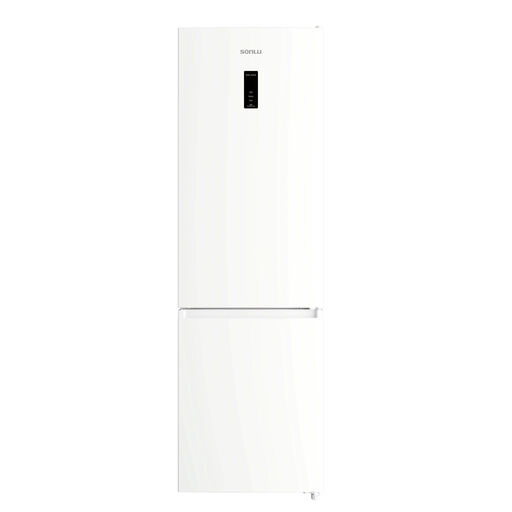
Sonlu CD-400RW fridge-freezer
The stated fridge capacity of 252 l makes it easier to assess the space available for yoghurt and other chilled groceries separately.
Total: 355 l; fridge compartment: 252 l; freezer compartment: 103 l; width: 60 cm; energy rating E.
Check that the width and layout suit your available space and shopping needs.
View at Joybuy
 No image available
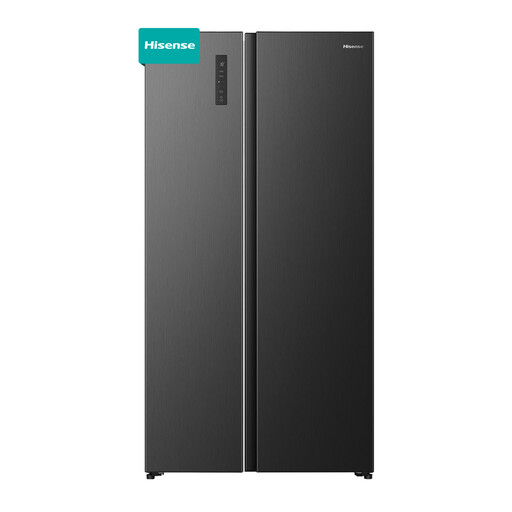
Hisense RS3P558NEFD side-by-side fridge-freezer
This side-by-side model is worth comparing if you’re looking for an appliance with a total capacity of 558 l.
Total: 558 l; No Frost; water dispenser.
Check the fridge capacity and external dimensions separately before deciding whether the model suits your food storage needs and kitchen.
View at Joybuy
 No image available
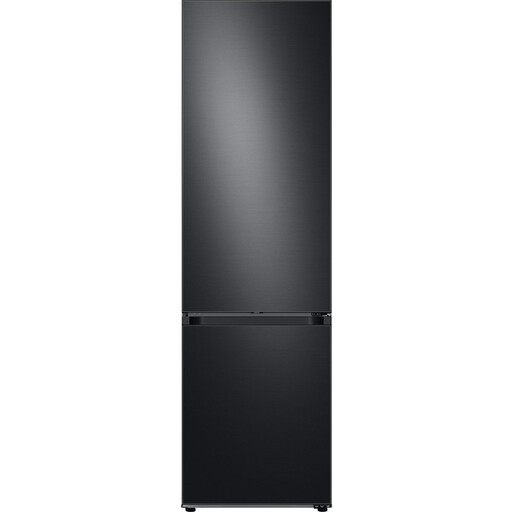
Samsung RB38C7B6AB1/EF fridge-freezer
The stated total capacity of 387 l gives you a starting point for comparing this model with the space you need for your groceries.
Total: 387 l; No Frost; Twin Cooling Plus; energy rating A; black.
Check the fridge capacity and dimensions separately before making your choice.
View at Joybuy
 No image available
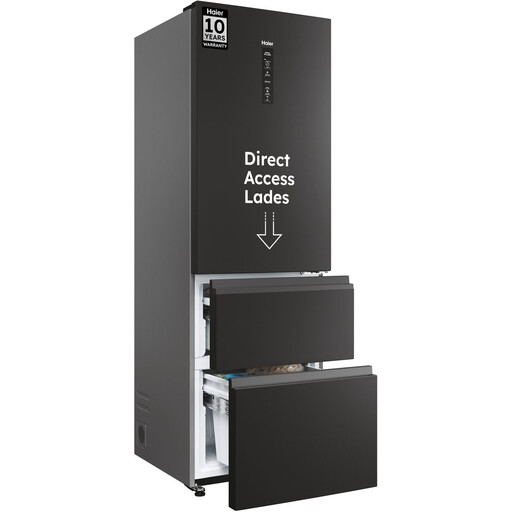
Haier HTW5618DNPT fridge-freezer
This freestanding model is worth considering if you want to include Total No Frost and 3D Cooling in your comparison.
Total No Frost; Wi-Fi; 3D Cooling.
Check the fridge capacity and external dimensions against your needs and available kitchen space.
View at Joybuy
 No image available
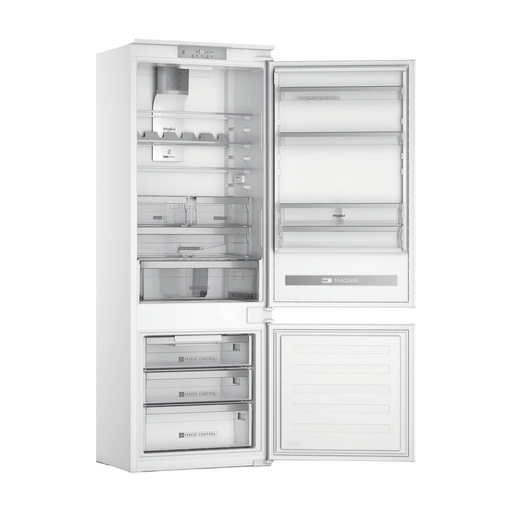
Whirlpool SP40812EU2 built-in fridge-freezer
This built-in model is worth comparing if you want to fit a fridge-freezer into an existing niche.
Total: 400 l; energy rating E; noise level 35 dB.
Check that the stated niche dimensions match your kitchen, and bear in mind that professional installation may be required.
View at Joybuy
Frequently asked questions
How cold should the fridge be to keep fresh yoghurt?
The Netherlands Nutrition Centre recommends a fridge temperature of 4 °C. Put yoghurt back in the fridge promptly after use and check the temperature on the bottom shelf with a fridge thermometer; the set temperature isn’t the same as a measured temperature.
Can you freeze yoghurt for a festive meal?
You can, but according to the Netherlands Nutrition Centre, its texture may change. Freezing isn’t therefore a like-for-like alternative if you want to serve the yoghurt fresh.
What should you do with an opened pack after serving?
Use a clean spoon and put the yoghurt back in the fridge promptly at 4 °C. The Netherlands Nutrition Centre recommends keeping opened full-fat yoghurt in the fridge for 5–7 days. For an unopened pack, follow the storage advice and date on the packaging.
Can you use a fridge-freezer as an extra fridge in an unheated shed?
First check whether the model is suitable for the temperature in the shed. According to the Consumers’ Association, not all appliances work well at low temperatures. Compare the minimum ambient temperature with the climate class and the instructions for the exact model.


