
Workshop host using fresh dairy
You want to put yoghurt back in the fridge promptly after use. The Netherlands Nutrition Centre recommends setting your fridge to 4 °C; use a thermometer to check that the temperature is right where you store it.


Choose a fridge freezer with enough fridge space for yoghurt and other ingredients; freezer space doesn’t count towards this. The Netherlands Nutrition Centre recommends setting your fridge to 4 °C and putting yoghurt back promptly after use, so check the temperature with a fridge thermometer once your appliance is in place. Then compare the dimensions, layout and annual energy consumption. If you sell food or drink at workshops, you’ll also need to follow food safety rules, depending on how you operate.
You want to put yoghurt back in the fridge promptly after use. The Netherlands Nutrition Centre recommends setting your fridge to 4 °C; use a thermometer to check that the temperature is right where you store it.
You store other ingredients as well as yoghurt. The European Commission lists fridge and freezer volumes separately on the energy label, so you can assess the available fridge space on its own.
You need to fit the appliance into an existing space or built-in recess. Measure the space and check the positioning and ventilation requirements for the exact model.
| What to consider | What should you check? | Who is this most relevant to? |
|---|---|---|
| Keeping yoghurt chilled | Set the fridge to 4 °C and use a fridge thermometer to measure the temperature where you store food. | If I take yoghurt out of the fridge regularly during a workshop, I want to put it back promptly after use and check the temperature. Around 36% of consumers say reliable refrigeration is their top buying priority. |
| Fridge space for ingredients | Estimate how much food you’ll store at the same time and compare the fridge capacity in litres and how practical the layout is. | I want to store yoghurt and other chilled ingredients at the same time, without counting freezer capacity as fridge space. Around 29% of consumers prioritise having enough fridge space. |
| Suitable placement | Measure the space or recess and check the external dimensions, doorway clearance and required ventilation space. | If the workshop kitchen has limited space, the appliance needs to fit and be installed according to the instructions. Around 21% of consumers say suitable placement is their top buying priority. |
| Energy consumption | For models that fit the space, compare the annual consumption in kWh shown on the energy label. | I want to take energy consumption into account, without choosing more fridge space than I need for my ingredients. Around 14% of consumers say running costs are their top buying priority. |
The total capacity of a fridge freezer includes the freezer compartment. Those litres aren’t available for yoghurt and other chilled ingredients; the European Commission lists fridge and freezer volumes separately on the energy label.
Compare the fridge capacity separately and check whether the layout suits the food you want to store at the same time.
The temperature you set isn’t necessarily the temperature where the yoghurt is stored. The Netherlands Nutrition Centre recommends setting your fridge to 4 °C.
Check the temperature with a fridge thermometer once your appliance is in place, and put yoghurt back promptly after use.
A built-in model needs to fit the recess. With a freestanding model, the required ventilation space and positioning instructions can affect how much room you have available.
Before you buy, check all the relevant measurements and the installation instructions for the exact model.
Bosch offers freestanding fridge freezers; the KGN36VICT is one example with separate fridge and freezer capacity figures.
Siemens offers freestanding fridge freezers; the KG39N4X1F is one example to consider if you want to compare fridge capacity and energy details.
Liebherr offers freestanding fridge freezers, including the CNsdc 5203.
Electrolux offers built-in fridge freezers for kitchens with a suitable recess.
In the Netherlands, TCL lists a 55 cm-wide freestanding fridge freezer, which may be worth considering if space is tight.
This selection includes built-in and freestanding fridge freezers. Focus on the stated fridge capacity, the space needed for installation and how you’ll check the temperature.
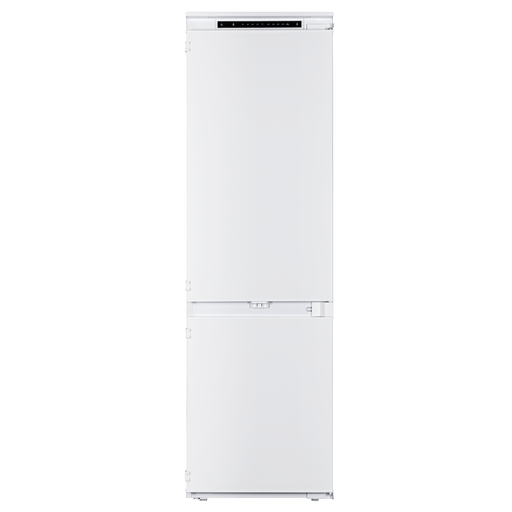 No image available
A built-in option if you want to store yoghurt and other chilled ingredients, and have a suitable recess with a sliding door system.
Stated capacity: 177 l of fridge space and 67 l of freezer space. The recess needs to be approximately 178 cm high; installation by a qualified technician is required.
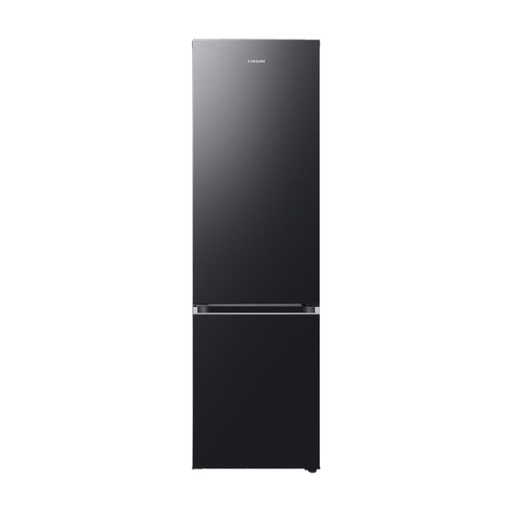 No image available
An option to compare if you want to weigh the stated total capacity against annual energy consumption.
The product information lists a total capacity of 387 l, energy consumption of 108 kWh per year and a height of 2030 mm. Check the separate fridge capacity before deciding whether there’s enough space for yoghurt and other ingredients.
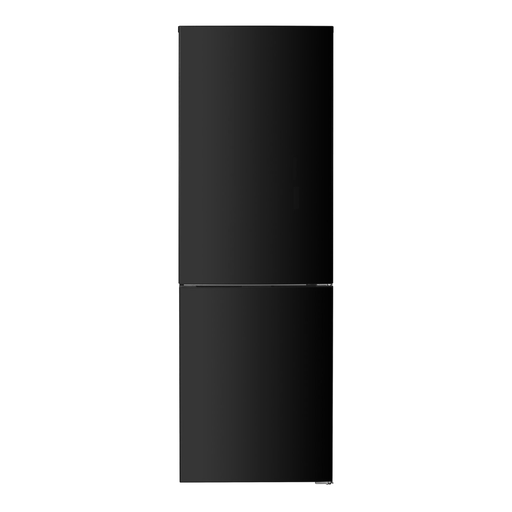 No image available
A freestanding option if you want to store chilled workshop ingredients alongside frozen food.
Stated capacity: 210 l of fridge space and 83 l of freezer space. The listed dimensions are 186 × 60 × 62 cm; the model features No Frost.
 No image available
An option if you need freezer space as well as fridge space, and want to compare the stated temperature range with your preferred setting.
The stated fridge temperature range is 2–8 °C, which includes 4 °C; check the actual temperature with a fridge thermometer. The product information lists a width of 55 cm, a reversible door and manual defrosting.
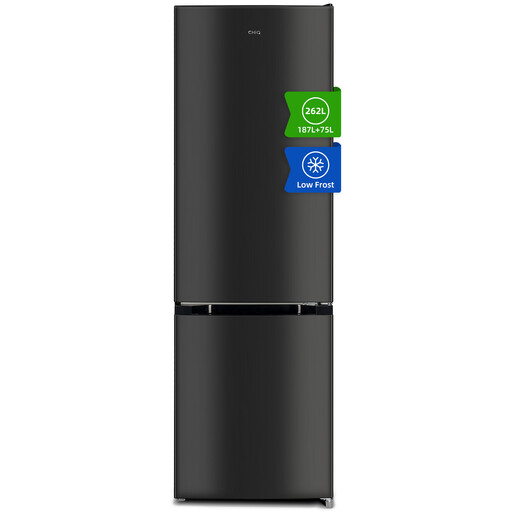 No image available
An option if you’re looking for a fridge freezer and want a layout that suits the ingredients you store.
The title lists a total capacity of 262 l and a 4-star freezer function. The product information mentions adjustable storage and a reversible door; check the separate fridge capacity to make sure it will suit your yoghurt supply.
The Netherlands Nutrition Centre recommends setting your fridge to 4 °C and putting yoghurt back promptly after use. After setting the temperature, check it with a fridge thermometer; the display setting alone doesn’t tell you the temperature where the food is stored.
The Netherlands Nutrition Centre says yoghurt can be frozen, but its texture may change. If you want to serve it fresh, start with enough fridge space and don’t use the freezer compartment as a substitute.
Measure the available space and follow the ventilation and installation instructions in the manual for the exact appliance. The Netherlands Nutrition Centre recommends working hygienically and using a clean spoon for the yoghurt.
Compare the annual consumption in kWh on the energy labels of models that fit your space. The Dutch government says there’s no fixed statutory warranty period in the Netherlands; if a product is faulty, contact the retailer. Any additional manufacturer’s warranty is separate and has its own terms and conditions.
It depends on what you do during the workshop; holding a workshop doesn’t in itself mean you’re selling food. According to the NVWA, food safety rules also apply to private individuals who occasionally sell food or drink. If you sell food several times a year, the NVWA says you need a food safety plan or hygiene code. For pre-packed products, follow the storage temperature on the label.