
Workshop leader using fresh ingredients
You want to keep sliced carrot sticks and other prepared ingredients sealed and at a controlled fridge temperature. The Voedingscentrum recommends setting your fridge to 4 °C.


Keep sliced carrot sticks in a sealed container in a fridge that you can set to 4 °C and check the temperature of, as recommended by the Voedingscentrum. Then choose based on usable fridge space, the room available and annual energy consumption. Extra freezer space or a freshness drawer is only worth considering if it also suits the rest of your workshop supplies.
You want to keep sliced carrot sticks and other prepared ingredients sealed and at a controlled fridge temperature. The Voedingscentrum recommends setting your fridge to 4 °C.
You need room for several containers at once, so you’re looking at the usable layout, not just the stated capacity. The Consumentenbond points out that the stated capacity does not represent fully usable storage space.
You need to match the appliance’s external dimensions and configuration to the available floor or recess space, and to the amount of fridge and freezer space you need.
Suitable for: a small workshop and modest supplies.
Keep in mind: the external dimensions don’t tell you how many containers will fit comfortably inside.
Suitable for: storing several containers and other chilled ingredients at the same time.
Keep in mind: compare the layout and dimensions; a higher stated capacity doesn’t automatically mean more usable shelf space.
Suitable for: a kitchen with an existing recess designed for a built-in appliance.
Keep in mind: the recess dimensions and door fitting will limit which models are suitable.
Suitable for: a workshop using only fresh ingredients, with enough separate freezer space, or no need to freeze food.
Keep in mind: this isn’t a fridge freezer and won’t replace one if you need a freezer compartment.
| Concern | What to look for when buying | Who is this important to? |
|---|---|---|
| Keeping food chilled during the workshop | Check that you can set the fridge to 4 °C and monitor its temperature; also check that sealed containers will fit. | I want to keep sliced carrot sticks safely chilled in a sealed container. Around 36% of consumers prioritise being able to monitor the temperature for ingredients like these. |
| Usable fridge space and layout | Compare fridge and freezer capacities separately, and measure your own containers. | I want to chill several workshop ingredients at once without containers getting in each other’s way. Around 29% of consumers prioritise a practical layout. |
| Finding the right spot | Measure the available space; for a built-in model, check the recess and door fitting too. | I need to fit the appliance into a small kitchen or an existing recess. Around 21% of consumers consider suitable dimensions and positioning the most important factors. |
| Energy use and maintenance | Check the stated annual energy consumption in kWh and decide whether No Frost suits the way you use the freezer compartment. | I want to compare energy use and avoid defrosting more than necessary. Around 14% of consumers prioritise running costs and maintenance. |
The total capacity doesn’t tell you how much fridge space you have or how many sealed food containers will fit comfortably.
Compare fridge and freezer capacity separately, and check the shelves against the dimensions of your own containers.
If you misjudge the space, your workshop supplies might not fit the layout of the model you choose.
A drawer’s name doesn’t mean sliced carrot sticks can be stored in it unwrapped. The Voedingscentrum recommends keeping sliced vegetables in a sealed container in the fridge.
Use a suitable sealed container and check the fridge temperature, whatever the drawer is called.
Stated annual energy consumption varies by model. No Frost helps prevent ice building up in the freezer compartment; it doesn’t apply to the fridge compartment.
Compare the annual energy consumption in kWh of specific models, and decide whether you use the freezer enough for No Frost to be a factor.
Without No Frost, defrosting the freezer compartment may take more effort.
Freestanding models in a range of heights, with different fridge and freezer capacities.
Freestanding fridge freezers, including the RB34C670DWW/EF model.
Freestanding and built-in models, including the CNsfc 573i Plus.
The Dutch catalogue includes freestanding and built-in fridge freezers.
These product picks include freestanding and built-in fridge freezers for chilled workshop supplies. Compare their layout and positioning with your own space and containers.
 No image available
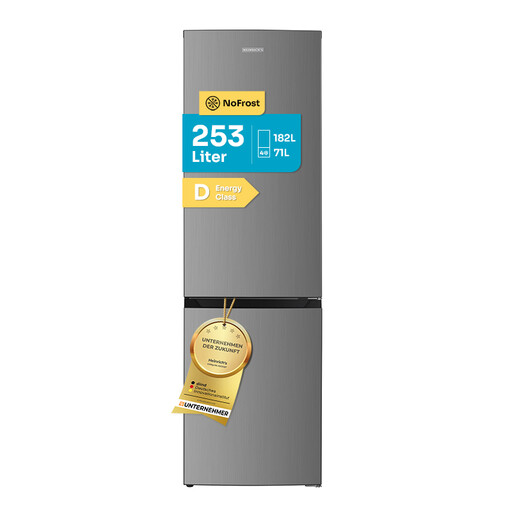
The stated 182 l of fridge space gives you a specific capacity to compare with your workshop supplies.
Fridge capacity: 182 l; freezer capacity: 71 l. The description mentions No Frost, 360° cooling and a fast-cooling function; the title lists 39 dB and a height of 181 cm.
 No image available
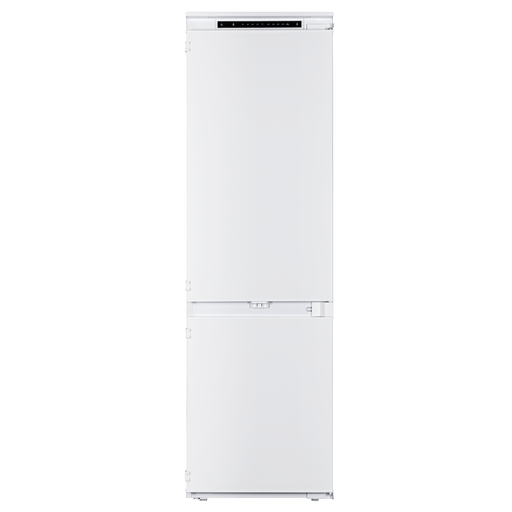
The description lists 177 l of fridge space and a temperature setting of around 4 °C, which you can compare with your chilled storage needs.
The stated recess height is approximately 178 cm, and the appliance is designed for a sliding door. The description specifies installation by a qualified fitter; check that the recess and door fitting are suitable.
 No image available
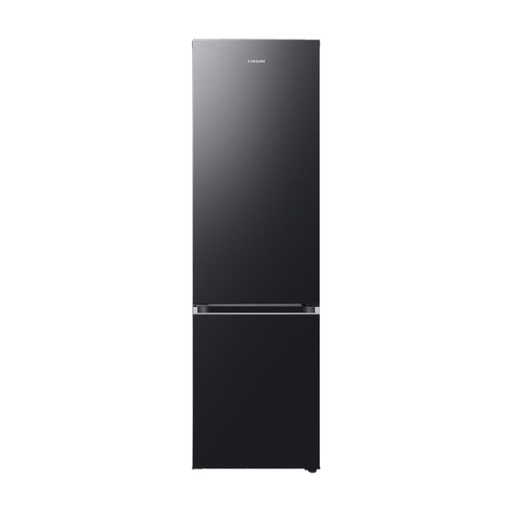
With 273 l of fridge space, this model is worth considering if you want to keep several workshop ingredients chilled.
Fridge capacity: 273 l; freezer capacity: 114 l; total capacity: 387 l. The description lists No Frost, an Optimal Fresh+ drawer with two zones, an energy rating of A, 108 kWh per year and a height of 2030 mm.
 No image available
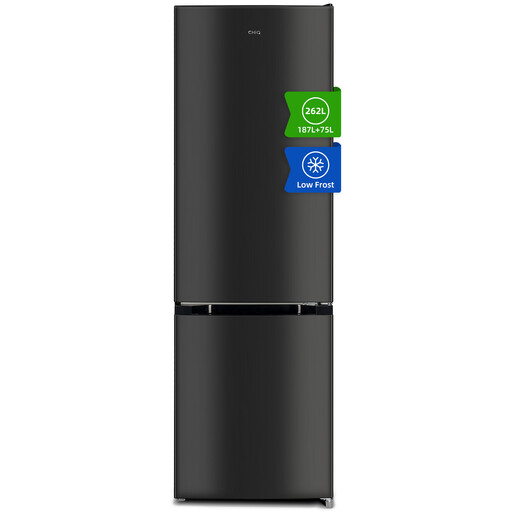
The stated fridge temperature range is 2–8 °C, which includes 4 °C. Check the temperature with a fridge thermometer.
Fridge capacity: 187 l; freezer capacity: 73 l; width: 55 cm. The description lists adjustable shelves, a vegetable drawer, adjustable feet and a reversible door; the title gives an energy rating of E.
 No image available
The description lists a separate vegetable drawer and adjustable shelves, which you can compare with the layout you need for your workshop supplies.
The title mentions Low Frost and a bottom freezer compartment. The description also lists a reversible door; check that the layout suits your containers and the space available.
Store vegetables you’ve cut yourself in a sealed container in the fridge. The Voedingscentrum recommends setting your fridge to 4 °C and checking the temperature with a fridge thermometer. For opened raw vegetable snacks made from firm vegetables without dressing, the Voedingscentrum recommends keeping them in the fridge for 2 days. This isn’t a guarantee for every preparation or serving situation.
First, choose between a freestanding and a built-in model. For a built-in model, measure the recess and check the required door fitting. For any appliance, follow the manufacturer’s positioning instructions.
Compare the stated annual energy consumption in kWh for specific models; your actual energy costs will also depend on your tariff. According to the Rijksoverheid, you can return an old household appliance to the shop or online retailer where you buy a new, similar appliance, among other options.
If you prepare, process or sell food as a business, the NVWA requires you to have an HACCP food safety plan or follow an applicable hygiene code. Whether this business requirement applies depends on how the activity is actually organised and what it involves; calling it a ‘workshop’ alone doesn’t determine this.
The Rijksoverheid states that you’re entitled to a product that works properly. If a product is faulty, you can seek a solution from the seller, such as a free repair or replacement. A manufacturer’s warranty doesn’t replace these rights.