
Batch cooking and portioning soup
You want to freeze leftovers in portions for later, so you’re mainly comparing usable freezer space and drawer layout.


Choose a fridge-freezer based on how much separate fridge and freezer space you need for shopping and portions of soup. Then measure the available space and compare the stated annual energy consumption. Freezer space is important if you won’t eat your soup within two days, but no appliance feature replaces cooling leftovers quickly and storing them properly.
You want to freeze leftovers in portions for later, so you’re mainly comparing usable freezer space and drawer layout.
You want to keep fresh shopping and soup for the next few days neatly chilled, so you’re looking at fridge space, layout and temperature.
You want to check first whether the appliance will fit in the available space, so measure its external dimensions and allow room for the doors and drawers.
First decide whether you mainly need to chill shopping for the next few days or whether you also regularly freeze soup in portions. Then compare the external dimensions and stated annual energy consumption of models that suit your needs.
| What to consider | What to look for | Who it’s for |
|---|---|---|
| Chilling fresh shopping | Compare the fridge space and shelf layout; the Netherlands Nutrition Centre recommends a fridge temperature of 4 °C. | If I’m chilling market shopping and soup for the next few days, I want to be able to place sealed containers conveniently and check the temperature; around 33% of consumers prioritise fridge space and layout. |
| Freezing portions of soup | Compare the separately stated freezer capacity and check that the drawers will fit your containers. The Netherlands Nutrition Centre recommends setting the freezer to at least −18 °C. | When I’m storing portions of soup for later, I want enough usable freezer space and drawers that fit; around 27% of consumers prioritise freezing portions. |
| Finding the right fit | Measure the height, width and depth, and check the installation instructions and the clearance required for the doors of the exact model. | If space is limited in my kitchen, the appliance needs to fit and remain accessible; around 20% of consumers prioritise the available space and external dimensions. |
| Energy consumption and maintenance | Compare both the energy label and the stated annual consumption in kWh for models with enough space. Decide separately whether No Frost matters to you. | If I want to take energy consumption and maintenance into account, I compare the annual figures and consider whether I want to limit ice build-up; around 20% of consumers prioritise this. |
Milieu Centraal recommends taking the annual consumption shown on the energy label into account when comparing appliances. The European Commission uses an energy label scale from A to G for household fridges and freezers.
The total capacity in litres doesn’t tell you how much separate freezer space is available for portions of soup.
Compare the stated fridge and freezer capacities separately, and check the drawers of the model you’re considering.
No Frost relates to ice build-up in the freezer; it doesn’t tell you how to cool or store soup safely.
Choose the feature for easier maintenance, and follow separate advice on cooling, temperature and packaging for leftovers.
The energy label rating alone doesn’t tell you the annual energy consumption for the size you need.
Compare the stated kWh per year for appliances that both offer enough fridge and freezer space.
The freestanding KGN36VICT is one example for comparing fridge and freezer space, external dimensions and No Frost in a single model.
The freestanding GBP62PZNBC can be used as a reference for a tall model with separately stated fridge and freezer capacities.
The CNc 5203 Pure is a freestanding NoFrost fridge-freezer whose external dimensions and noise level may factor into your choice.
The RCSA366K40SN offers a static alternative if No Frost isn’t a priority for you.
This selection focuses on fridge-freezers with separately stated fridge and freezer capacities for fresh shopping and portions of soup. Check the external dimensions and any connection requirements for each model.
 No image available
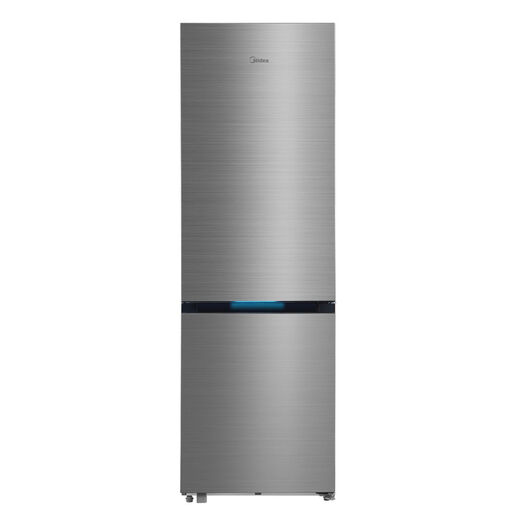
The separately stated fridge and freezer capacities can help you decide whether this model suits both your shopping and portions of soup.
313 l of fridge space and 130 l of freezer space; dimensions: 595 × 670 × 2010 mm.
No Frost, energy label C and Wi-Fi.
 No image available
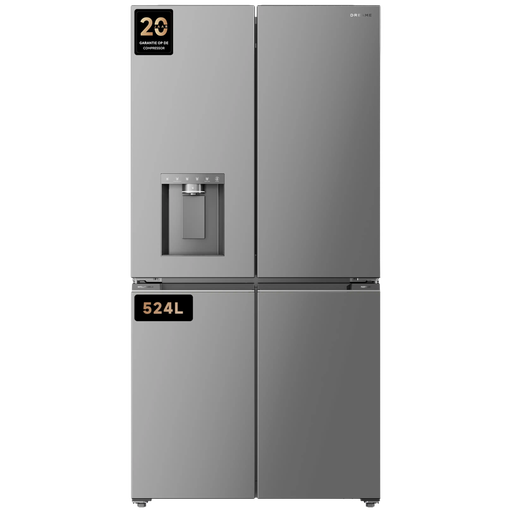
The stated compartment capacities show how much space is available separately for chilled shopping and frozen portions of soup.
308 l of fridge space and 203 l of freezer space; freezing capacity 12 kg per 24 hours.
Dimensions: 91,1 × 69,3 × 183 cm; No Frost and energy label E.
 No image available
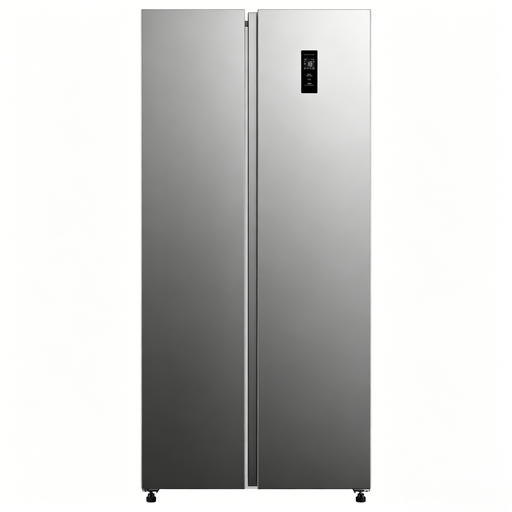
The separate fridge and freezer capacities make it possible to assess the space for shopping and portions of soup separately.
276 l of fridge space and 168 l of freezer space; dimensions: 830 × 610 × 1785 mm.
No Frost, energy label E and digital temperature control; stated noise level 40 dB.
 No image available
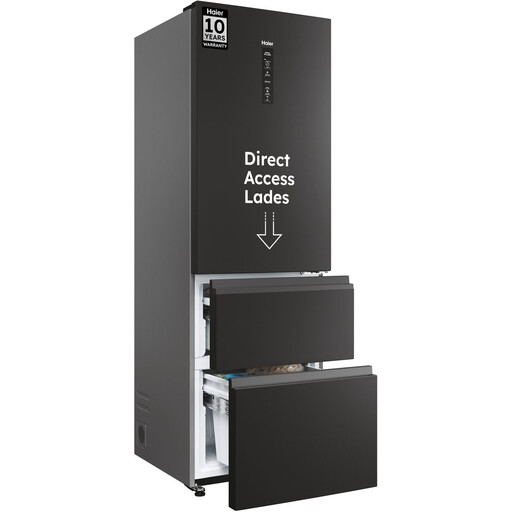
The separate fridge and freezer spaces and two freezer drawers are useful points to compare for storing shopping and portions of soup.
235 l of fridge space and 125 l of freezer space; dimensions: 59,5 × 185 × 66,7 cm.
Total No Frost and freestanding design.
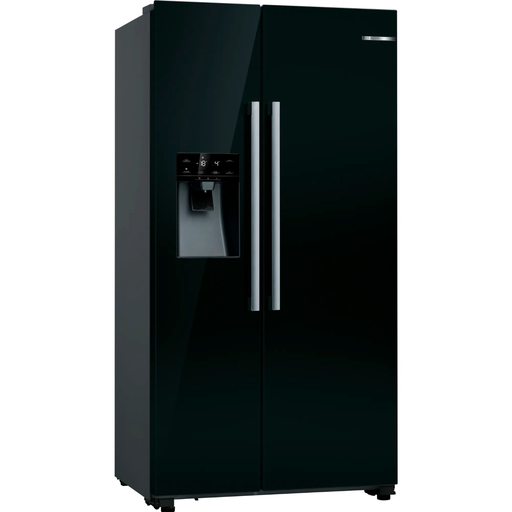 No image available
The stated fridge and freezer capacities show how much space is available separately for shopping and portions of soup.
371 l of fridge space and 191 l of freezer space; dimensions: 908 × 762 × 1787 mm.
Ice and water dispenser with water connection; three freezer compartments and five fridge shelves.
Keep leftovers in a fridge at 4 °C for no more than two days. The Netherlands Nutrition Centre recommends freezing soup if you want to keep it for longer, and gives three months as the freezer storage time for leftovers; also follow the advice for the specific soup.
No. Let the soup cool quickly first, then put leftovers in a sealed container in the fridge or freezer within two hours. The Netherlands Nutrition Centre suggests cooling it in cold water and stirring it as one example.
Measure the available space and compare it with the external dimensions of the exact model. Also check the installation instructions for ventilation and door clearance; a freestanding model won’t necessarily fit into a built-in cabinet space.
The energy label gives a rating on a scale from A to G. Also compare the stated annual consumption in kWh for models of a suitable size. This is a standardised figure, not a prediction of your personal electricity bill.
Yes. According to the Dutch government, when you buy a new, similar appliance, the retailer must take your old one from you free of charge. If you’re buying online, check in advance how the handover will be arranged at delivery.