
Shopping for a small space
You want to keep your worktop clear and need a fridge-freezer that fits the available floor space. Slim models vary in height and depth too, so measure more than just the width.


Start by measuring the available floor space: check the width, depth and height, and allow for ventilation and the door to open. Then choose a model based on how much fridge space you need for your yoghurt and how much freezer space you use. A slim model with a small freezer compartment may suit you if you mainly store fresh food, while a taller fridge-freezer can offer more freezer space if you have room for it. The Netherlands Nutrition Centre recommends keeping chilled food at 4 °C. Once your appliance is installed, check its actual temperature with a separate thermometer, as the dial setting or display may not show it accurately.
You want to keep your worktop clear and need a fridge-freezer that fits the available floor space. Slim models vary in height and depth too, so measure more than just the width.
You want enough accessible fridge space for your usual packaging. The Netherlands Nutrition Centre recommends a temperature of 4 °C and advises checking the actual fridge temperature rather than relying on the thermostat setting.
You store yoghurt as well as frozen food regularly. Compare the fridge and freezer capacities separately, and check the height and maintenance requirements of the freezer compartment.
When to choose it: If fridge space for yoghurt and other fresh food is your priority and you only need a small freezer. Inventum lists the KV1430 as 55 cm wide, with 163 l of fridge capacity and 41 l of freezer capacity. Beko lists the RDSA240K40WN as 54 cm wide.
The trade-off: A small freezer compartment limits how much frozen food you can store. Check the exact model’s depth, the available space and how the door opens too.
When to choose it: If floor space is limited but you have enough headroom and store frozen food more often. ETNA lists the KCV282NWIT as 55 cm wide, with 171 l of fridge capacity and 85 l of freezer capacity.
The trade-off: The stated height is 182.4 cm, so check that it will fit in the space you have in mind. ETNA lists No-Frost Plus, but you should still measure the actual fridge temperature for storing yoghurt.
When to choose it: If a tall cabinet won’t fit but you still want a separate freezer compartment. Liebherr lists the CTe 2131 as 124.1 cm high and 55 cm wide.
The trade-off: The stated depth is 63 cm. Liebherr describes SmartFrost as reducing frost build-up, not as a promise that you’ll never need to defrost it.
Measure the space first, then choose the balance of fridge and freezer capacity that suits what you store. The percentages below show which concerns matter most to different shoppers.
| Concern | What to look for when buying | Who is this more important to? |
|---|---|---|
| Will it fit in the space? | Measure the width, depth and height; check the installation instructions and make sure the door and drawers can open. | If I have limited floor space and want to keep my worktop clear, the fridge-freezer still needs enough room around it. Around 36% of shoppers put this concern first. |
| Will it keep yoghurt chilled properly? | Check that your usual packaging fits within easy reach, and measure the actual temperature with a separate thermometer once the appliance is installed. | If I often store yoghurt, I want useful fridge space and a temperature I can check, not just a particular dial setting. Around 29% of shoppers prioritise keeping yoghurt chilled. |
| How is the storage space divided? | Compare the stated fridge and freezer capacities separately, and check the layout of the exact model. | If I regularly store frozen food as well as fresh produce, the balance between the two compartments matters. Around 21% of shoppers choose mainly on the basis of this storage split. |
| How much electricity does it use? | Compare the annual energy consumption in kWh on the current energy label for models that first meet your space and capacity needs. | If I want to factor running costs into my decision, I compare the annual energy consumption of appliances that otherwise suit my space and what I store. Around 14% of shoppers put energy use first. |
Slim models can still vary considerably in height and depth. So a fridge-freezer that fits the width of the space may still be unsuitable for the location or the doorway.
Measure the whole space and the route into it. Check the installation instructions for the exact model too, and make sure the door and drawers can open fully.
The total capacity doesn’t tell you how much room there is for yoghurt and other fresh food. Fridge and freezer capacities vary by model, and yoghurt belongs in the fridge compartment.
Compare the two stated capacities separately and check that your usual packaging fits the layout.
Manufacturers describe different features. ETNA says No-Frost Plus means the KCV282NWIT doesn’t need manual defrosting; Liebherr describes SmartFrost on the CTe 2131 as reducing frost build-up.
Check the freezer features and maintenance instructions for the exact model before assuming it won’t need defrosting.
According to the Netherlands Nutrition Centre, the setting on a dial doesn’t show the actual fridge temperature; a digital display may not show it accurately either.
After installation, check the temperature with a separate fridge thermometer and adjust the setting towards the recommended 4 °C if needed.
The freestanding KV1430 is an example of a 55 cm-wide model with a relatively small freezer compartment at the top.
The KCV282NWIT is an example of a slim, tall fridge-freezer with a larger, separate freezer compartment.
The freestanding RDSA240K40WN is an example of a 54 cm-wide model with a top freezer and static cooling.
The CTe 2131 is a shorter, 55 cm-wide option for spaces that can’t accommodate a taller fridge-freezer.
The models below combine fridge and freezer storage. If your kitchen is short on space, check the exact model’s external dimensions and installation instructions before choosing.
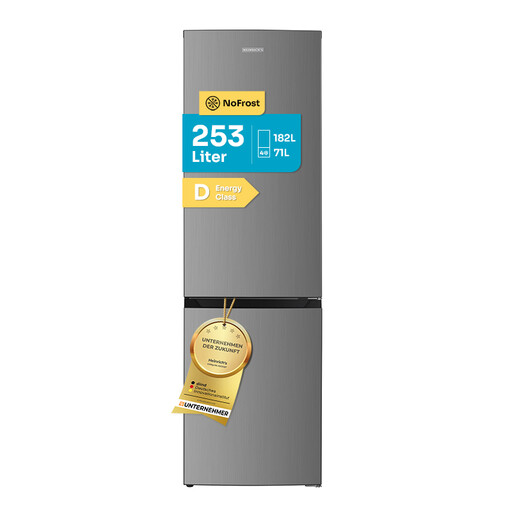 No image available
A model with separate fridge and freezer compartments; compare the stated capacity with what you need to store.
Fridge capacity: 182 l. Freezer capacity: 71 l. The product name lists No Frost, LED lighting, a reversible door hinge and 39 dB.
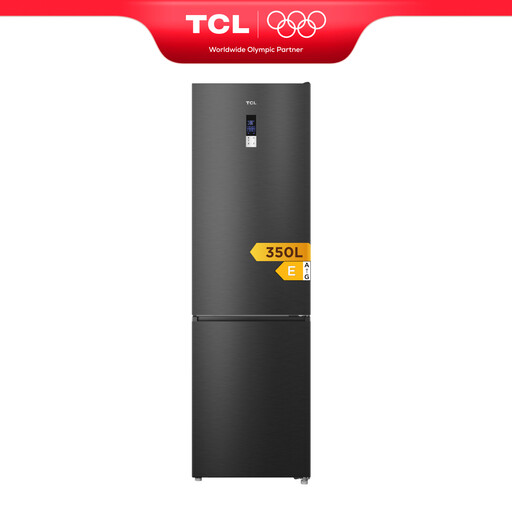 No image available
The stated fridge and freezer capacities help you compare the available space for fresh and frozen food separately.
Fridge capacity: 248 l. Freezer capacity: 102 l. Energy class E.
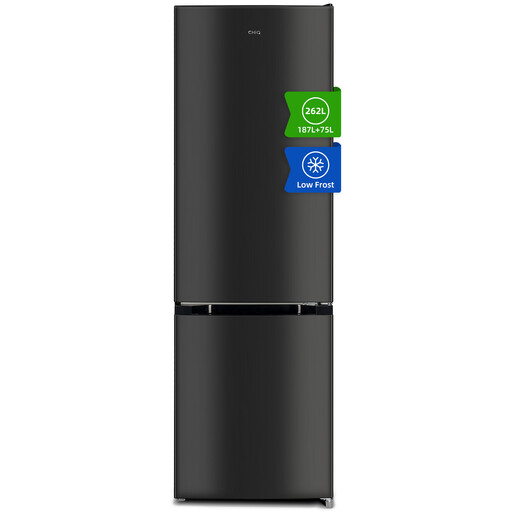 No image available
The product name lists a freezer compartment at the bottom; check whether this layout suits the way you use your fridge and freezer space.
Capacity: 262 l. The product name lists Low Frost, 4-star freezing, 39 dB and a reversible door.
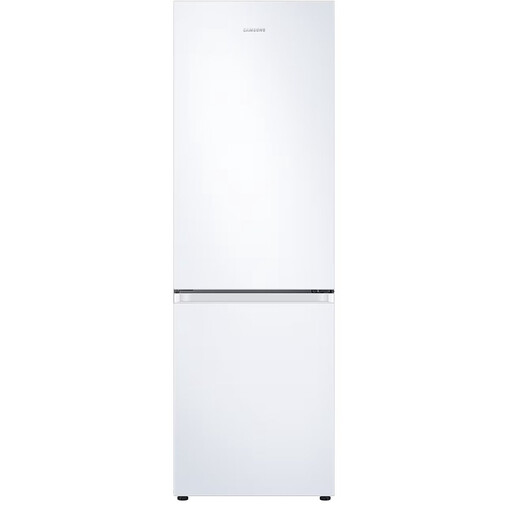 No image available
The stated total capacity can help you compare the available space; check the external dimensions and layout too.
Total capacity: 344 l. The product name lists No Frost, Wi-Fi and SmartThings.
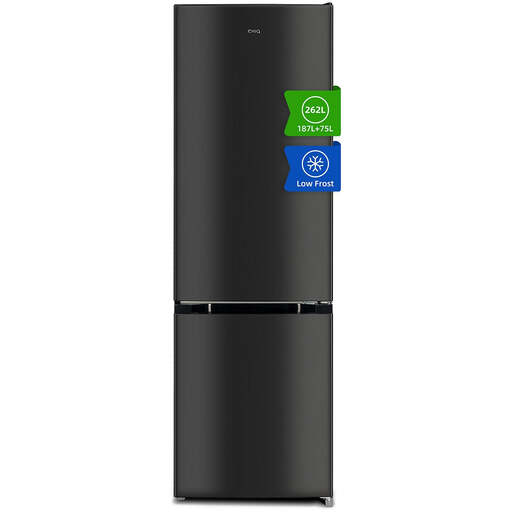 No image available
A fridge-freezer with freezer space; check that the layout and total capacity suit the food you keep chilled and frozen.
Capacity: 262 l. The product name lists Low Frost, a reversible door and 39 dB.
No. According to the Netherlands Nutrition Centre, a dial setting doesn’t show the actual temperature; a digital display may not show it accurately either. Check with a separate fridge thermometer and adjust the setting towards the recommended 4 °C if needed.
The Netherlands Nutrition Centre recommends keeping opened full-fat yoghurt in the fridge for 5–7 days. Return the tub to the fridge promptly after use and keep it at 4 °C. Use a clean spoon, and follow the label and use-by date for an unopened tub.
It depends on the technology used in the exact model. ETNA says the KCV282NWIT with No-Frost Plus doesn’t need manual defrosting; Liebherr describes SmartFrost on the CTe 2131 as a way to reduce frost build-up.
For new models, compare the current EU label on the A–G scale and the stated annual energy consumption in kWh. According to the European Union, the old plus-rated classes have not been used for fridges since 2021.
When you buy a new, similar appliance, the Dutch government says the take-back scheme applies, including to online deliveries. The retailer must take the old appliance free of charge. If it can’t be collected at the time of delivery, the government lists other free drop-off or collection options.