What should you consider when choosing?
First, check how you can keep dressing chilled and easy to organise. Then compare the space you need, annual energy consumption, and features for freezing and maintenance.
| What to consider |
What to look for |
Who is this important for? |
| Fridge temperature and storage |
The Netherlands Nutrition Centre recommends 4 °C. Check the temperature with a fridge thermometer and use clean, sealed containers. |
If you want to store small portions of dressing, it’s important to be able to check the temperature. Around 28% of consumers prioritise safe storage. |
| Dimensions and fridge capacity |
Measure the available space and compare the external dimensions with the separate fridge and freezer capacities. Milieu Centraal points out that unused extra capacity can use unnecessary electricity. |
If your kitchen has limited space and you mainly chill dressing and everyday groceries, you’ll want a suitable size. Around 22% of consumers put space and capacity first. |
| Energy consumption |
Once you’ve found a suitable size, compare the energy label and stated consumption in kWh per year; Milieu Centraal highlights both as points to consider. |
If you’re choosing an appliance that runs all the time, you’ll want to take its stated annual energy consumption into account. Around 22% of consumers give energy consumption top priority. |
| Fridge and freezer capacity |
Work out how much you freeze in addition to dressing, and compare the capacity of each compartment separately. The Netherlands Nutrition Centre says yoghurt dressing is less suitable for freezing. |
If you regularly freeze other products, useful freezer space matters alongside room for chilled groceries. Around 17% of consumers choose this need as their main criterion. |
| Defrosting and maintenance |
Check the technology and instructions for the exact model. Low Frost and SmartFrost don’t automatically mean you’ll never need to defrost; check the manufacturer’s model-specific guidance. |
If you want to spend as little time as possible on maintenance, the difference between the freezer systems mentioned is relevant. Around 11% of consumers prioritise maintenance and aftercare. |
Fridge freezers at Joybuy
These fridge freezer models can be compared by usable fridge space, available kitchen space and how much you want to freeze.
 No image available
Bella BKV555‑040CW tabletop fridge with freezer compartment, 109 l, energy rating C
A tabletop model with a separate freezer compartment to compare if you have limited kitchen space.
The product name lists a total capacity of 109 l and energy rating C.
View at Joybuy
 No image available
TCL RF338BSE0 fridge freezer, 260 l, 55 cm, energy rating E
A model with separate fridge and freezer compartments to compare if you also want to freeze other groceries.
The product name lists 187 l of fridge space, 73 l of freezer space, a fresh zone, a reversible door and adjustable feet.
View at Joybuy
 No image available
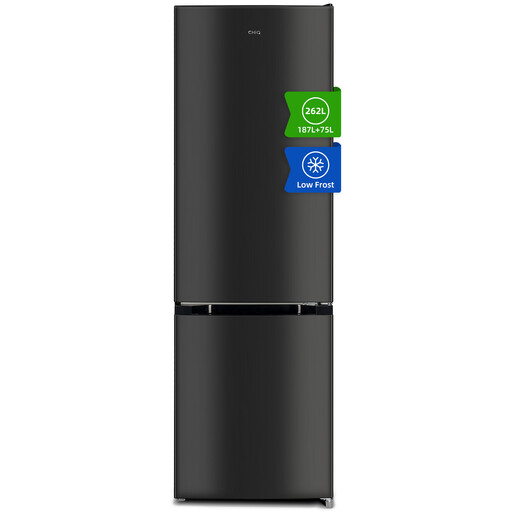
CHiQ JR263LGE fridge freezer, 262 l, Low Frost
A model with the freezer compartment at the bottom to compare if you need freezer space as well as room for chilled food.
The product name lists 4-star freezing, a reversible door and a noise level of 39 dB. Low Frost doesn’t mean you’ll never need to defrost.
View at Joybuy
 No image available
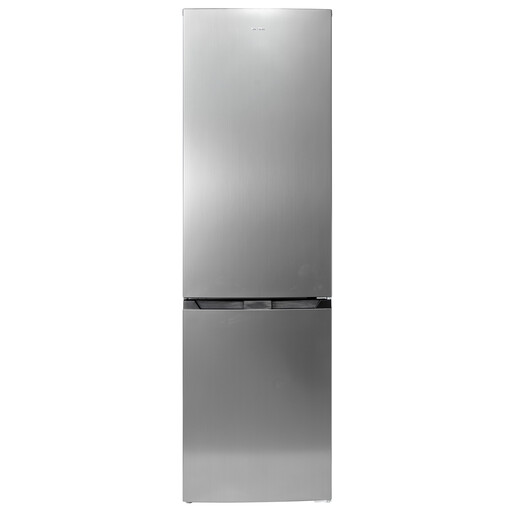
Salora CFC2530G freestanding fridge freezer, 253 l
A freestanding model to compare if you want to keep chilled groceries and frozen food in one appliance.
The product name lists a total capacity of 253 l and Frost Free.
View at Joybuy
 No image available
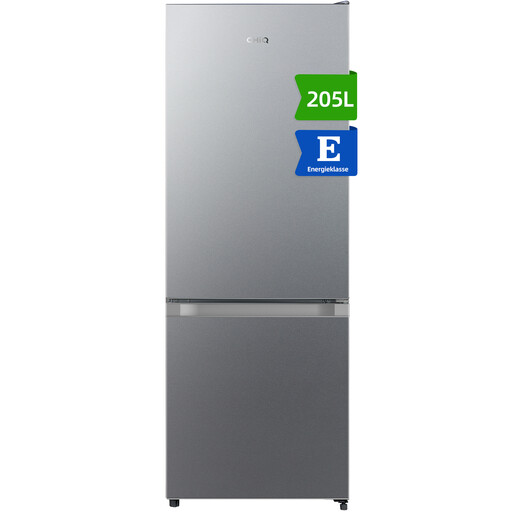
CHiQ JR205LSE fridge freezer, 205 l, Low Frost, energy rating E
A model with separate fridge and freezer compartments to compare if you need to take the available kitchen width into account.
The product name lists 153 l of fridge space and 52 l of freezer space. The product information also mentions adjustable fridge modes and a reversible door.
View at Joybuy
Frequently asked questions
How cold should your fridge be for homemade dressing?
The Netherlands Nutrition Centre recommends setting your fridge to 4 °C. Check the actual temperature with a fridge thermometer; the setting alone doesn’t tell you what temperature is reached in every part of the fridge.
Can you keep or freeze every homemade dressing for the same length of time?
No, storage time depends on the ingredients and how it’s made. Look up the advice for your recipe or ingredients; the Netherlands Nutrition Centre says yoghurt dressing is less suitable for freezing. Don’t automatically apply the storage time for a packaged product.
What should you consider when positioning and maintaining your fridge freezer?
Measure the available space before buying, and check the positioning instructions for the exact model. Inventum says the freezer compartment of the KV1500B needs defrosting around twice a year, despite its Low Frost feature; Bosch lists Total NoFrost for the KGN33NLEB.
Are you always entitled to just two years’ statutory warranty in the Netherlands?
No. According to the Dutch Government, the Netherlands has no fixed statutory warranty period. A manufacturer’s warranty is separate from your statutory rights; if there’s a problem with a product, contact the seller.
What rules apply to energy labels and online purchases?
EU rules on energy labels and product information apply to household refrigeration appliances. ACM ConsuWijzer says online purchases generally come with a statutory cooling-off period of 14 days after delivery; check the relevant terms and exceptions.
What can you do with your old fridge?
According to the Dutch Government, you can return an old household appliance to the shop or online retailer where you buy a new, similar appliance, among other options. Ask in advance how your old appliance will be taken away.


