
Workshop organiser using fresh ingredients
You want to keep radishes crisp and be able to check the fridge temperature during preparation and use. The Voedingscentrum recommends setting your fridge to 4 °C.


For fresh radishes, usable fridge space matters more than freezer space: store them in the fridge compartment, not the freezer. A compact fridge-freezer is a good fit when kitchen space is limited and you also freeze other foods; choose a larger model only if your workshop supplies need the extra fridge space. Also compare the external dimensions and annual energy consumption.
You want to keep radishes crisp and be able to check the fridge temperature during preparation and use. The Voedingscentrum recommends setting your fridge to 4 °C.
As well as radishes, you store other ingredients and want to check how much will actually fit in the fridge compartment. The Consumentenbond points out that stated capacity is measured without drawers, shelves and racks.
You’re looking for an appliance that fits in the workshop space without overlooking the fridge capacity you need. So compare its external dimensions with the space available.
A good fit if: you have limited space, want to chill fresh ingredients and also need a freezer compartment.
Bear in mind: a compact exterior may mean less room for chilled supplies; check the layout and stated fridge capacity.
A good fit if: you regularly store more workshop ingredients as well as radishes, and also use the freezer.
Bear in mind: the appliance takes up more space; a freshness drawer alone doesn’t prove that radishes will keep for longer.
A good fit if: you only want to chill fresh ingredients and don’t need separate freezer space.
Bear in mind: you won’t have freezer space for other products; a freezer doesn’t help with keeping fresh radishes.
The Voedingscentrum recommends a fridge temperature of 4 °C and checking it with a fridge thermometer on the bottom shelf.
| Consideration | What should you look for? | Who is this important for? |
|---|---|---|
| Crispness and controlled chilling | Check the temperature with a fridge thermometer and store radishes in a way that protects them from drying out. | If I want to keep radishes crisp for the workshop, I want to be able to check the temperature. Around 36% of consumers prioritise keeping fresh radishes. |
| Usable fridge space | Compare the fridge capacity separately and check that your containers and ingredients fit the layout. | When I’m chilling supplies for a whole group, I want to know whether they’ll fit practically in the fridge compartment. Around 29% of consumers prioritise space for workshop supplies. |
| External dimensions and positioning | Measure the available height, width and depth, and check that the door can open properly. | In a small workshop kitchen, the appliance needs to fit in the space available and remain easy to access. Around 21% of consumers prioritise the space available for positioning. |
| Energy consumption | Compare the energy label and annual consumption in kWh of models with suitable fridge capacity. | If I use the fridge continuously, I want to consider its annual consumption alongside the capacity I need. Around 14% of consumers prioritise energy consumption and running costs. |
The Voedingscentrum advises against freezing radishes. So a freezer compartment is no substitute for suitable fridge space if you want to serve radishes fresh.
First choose the fridge space you need, and only opt for a freezer compartment if you’ll use it for other products too.
Fridge and freezer capacities are separate. What’s more, the Consumentenbond says stated capacity is measured without drawers, shelves and racks.
Compare the fridge compartment separately and check that its layout suits the containers and quantities you want to store.
The temperature setting doesn’t automatically tell you what temperature your ingredients are kept at.
Check the temperature in the location recommended by the Voedingscentrum, on the bottom shelf, and adjust the fridge if needed.
An energy label doesn’t replace the need to check whether the size suits your workshop supplies. An appliance that’s too large can take up space unnecessarily.
First choose a suitable size, then compare annual consumption in kWh. Work out any running costs using your own electricity tariff and expected usage.
The features listed apply to the specific models below and are not recommendations for a brand’s entire range.
The KCV343ZWA is a freestanding fridge-freezer for anyone looking to combine limited space with a separate freezer compartment.
The CNc 5203 Pure NoFrost is a larger fridge-freezer for anyone storing other fresh and frozen ingredients as well as radishes.
The KGN36NWEA is a freestanding fridge-freezer with separately stated fridge and freezer capacities.
These models are for anyone who stores radishes in the fridge compartment and is also looking for a compact or more spacious fridge-freezer. Compare their capacities and dimensions with your workshop supplies and kitchen.
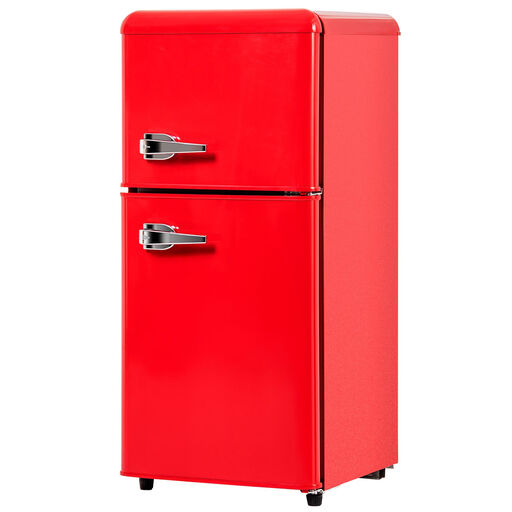 No image available
Could be a good fit if you’re looking for a compact fridge-freezer and only need to chill a small amount of ingredients.
Fridge capacity: 38 l. Freezer capacity: 22 l. Total capacity: 60 l. Annual consumption: 102 kWh. Energy class E.
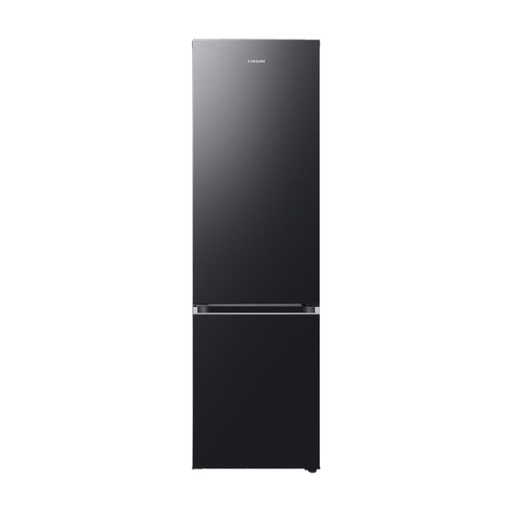 No image available
Could be a good fit if you need more fridge space for larger workshop supplies and also use the freezer.
Fridge capacity: 273 l. Freezer capacity: 114 l. Annual consumption: 108 kWh. Energy class A. No Frost and Optimal Fresh+.
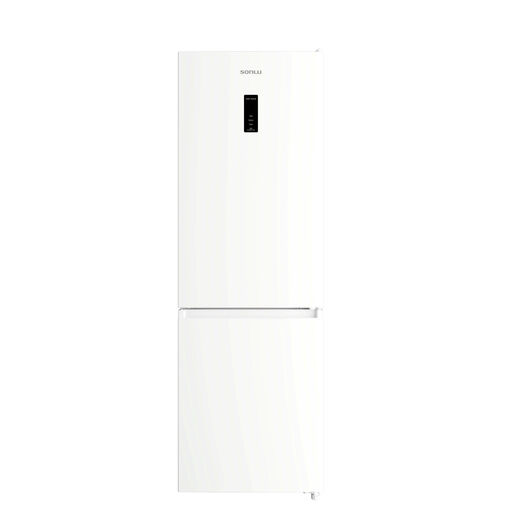 No image available
Could be a good fit if you want to weigh up fridge and freezer space separately and have 60 cm of width available.
Fridge capacity: 211 l. Freezer capacity: 99 l. Total capacity: 310 l. Width: 60 cm. Energy class E. Inverter compressor, reversible door and electronic temperature control.
 No image available
Could be a good fit if you’re looking for a narrower fridge-freezer and its stated fridge capacity suits your supplies.
Fridge capacity: 187 l. Freezer capacity: 73 l. Total capacity: 260 l. Width: 55 cm. Energy class E. Fresh Zone, reversible door, adjustable feet and adjustable shelves.
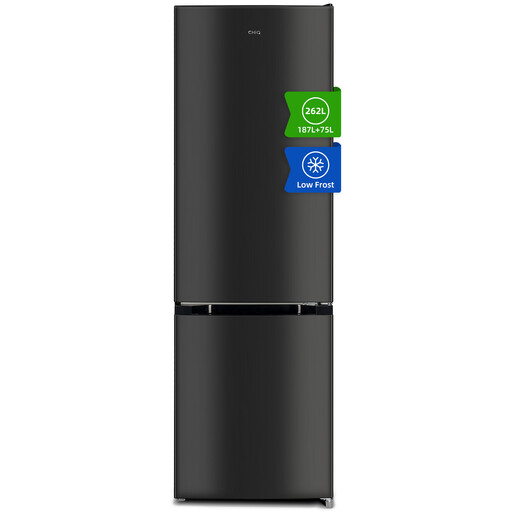 No image available
Could be a good fit if you want to compare a humidity-controlled vegetable drawer with the amount of fridge space you need.
Total capacity: 262 l. Low Frost, adjustable shelves, humidity-controlled vegetable drawer, reversible door and 39 dB.
Store radishes in the fridge in a way that protects them from drying out, and remove the leaves if necessary. The Voedingscentrum gives a fridge storage time of six days; don’t freeze radishes if you want to serve them fresh.
The Voedingscentrum recommends 4 °C. Check the temperature with a fridge thermometer on the bottom shelf and adjust the appliance if needed; don’t rely on the setting alone.
Yes. The Voedingscentrum recommends washing fruit and vegetables thoroughly. Use clean utensils too.
The EU energy label includes information such as the efficiency class and annual energy consumption in kWh. Since 1 March 2021, the European Commission has used a scale from A to G for household fridges and freezers. There is no fixed statutory guarantee period in the Netherlands: according to the Rijksoverheid, the seller must provide a solution if there’s a problem with a product. A manufacturer’s guarantee is an additional benefit.
If you prepare, handle or sell food professionally in the Netherlands, the NVWA requires you to follow an HACCP food safety plan or an applicable hygiene code. For prepacked food without a storage temperature on the label, the NVWA specifies a limit of 7 °C or lower, and also sets out rules for unpackaged perishable food. Whether these business requirements apply to your workshop depends on what you actually do; 7 °C is not a general legal limit for radishes at a private workshop.