What should you look for when choosing?
First check whether the freezer drawers can hold your portions of dough and other frozen food. Then compare temperature control, energy consumption and the space available.
| What to consider |
What to look for |
Who should pay particular attention? |
| Freezer capacity and drawer layout |
Compare the freezer capacity separately from the fridge capacity and check that your packages will fit in the drawers. |
If you want to store several portions of dough alongside your usual frozen food, check how much usable space there is in the drawers; around 36% of consumers say freezer capacity is their top purchasing priority. |
| Freezing performance and temperature |
Where possible, compare independent freezing tests and check that the freezer stays at around −18 °C, the ideal freezer temperature according to the Consumentenbond. |
If you regularly add fresh portions of dough, you’ll want to know how quickly a model freezes them and how cold it keeps your existing food; around 29% of consumers prioritise freezing performance and temperature control. |
| Energy consumption and size |
Compare the annual energy consumption in kWh of models with suitable fridge and freezer capacity; estimate running costs using your own electricity tariff. |
If you use the appliance every day, weigh up its annual energy consumption once you know what capacity you need; around 21% of consumers put energy consumption first. |
| Dimensions and maintenance |
Measure the space and access routes, and check the external dimensions. If installing the appliance in an unheated space, check its climate class and the model-specific instructions. |
If you have limited space or want to place the appliance outside a heated kitchen, check that the dimensions and ambient temperature are suitable; around 14% of consumers say installation is their main consideration. |
Fridge-freezer models at Joybuy
This selection includes fridge-freezer models with different freezer capacities and layouts. Compare the separately stated freezer capacity and, where listed, the freezing capacity with the food you usually store.
 No image available
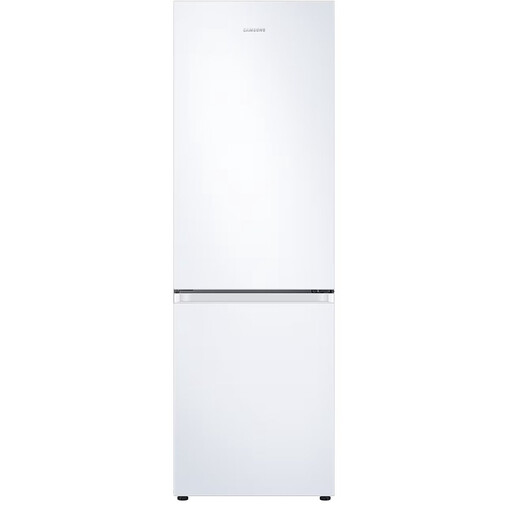
Samsung RB34C605CWW/EF, 344 l, white, No Frost, Wi-Fi and SmartThings
Could suit anyone who wants to store portions of dough alongside other frozen food; check whether the three freezer drawers are practical for your packages.
The product description lists 114 l of freezer capacity and a freezing capacity of 8 kg per 24 hours. The title mentions No Frost.
Joybuy
 No image available
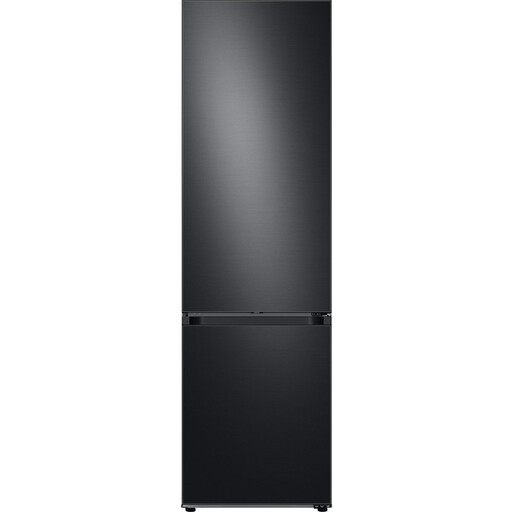
Samsung RB38C7B6AB1/EF, 387 l, black, No Frost, Twin Cooling Plus, energy class A
If you’re looking for extra overall capacity, it’s important to consider the freezer capacity separately.
The product description lists 114 l of freezer capacity, a freezing capacity of 8 kg per 24 hours and a height of 203 cm.
Joybuy
 No image available
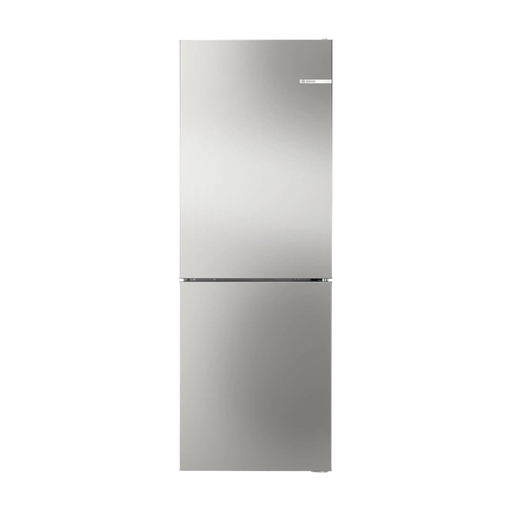
Bosch KGN33NSDB, 308 l, NoFrost, energy class D
An option to compare if the stated freezer capacity and freezing capacity suit the food you store and how you use the appliance.
The product description lists 90 l of freezer capacity, a freezing capacity of 11 kg per 24 hours, three freezer compartments and dimensions of 61,4 cm wide and 175,4 cm tall.
Joybuy
 No image available
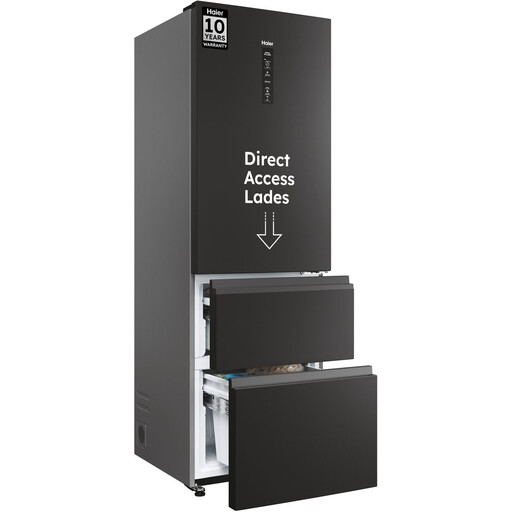
Haier HTW5618DNPT, Total No Frost
Could suit anyone who wants to store several portions of dough alongside other frozen food; check whether the two freezer drawers are suitable for your packages.
The product description lists 125 l of freezer capacity, dimensions of 59,5 × 185 × 66,7 cm and a reversible door.
Joybuy
 No image available
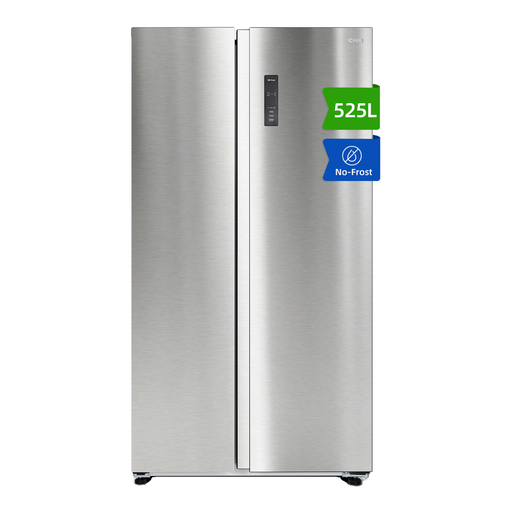
CHiQ JR525WSE, 525 l, No Frost, energy class E
For anyone looking for a large freezer compartment and with space for an appliance that is 912 mm wide.
The product information lists 333 l of fridge capacity, 192 l of freezer capacity, a freezing capacity of 6 kg per 24 hours and a fast-freeze function.
Joybuy
Frequently asked questions
What temperature should you set for the fridge and freezer compartments?
Voedingscentrum recommends setting your fridge to 4 °C; the Consumentenbond gives −18 °C as the ideal freezer temperature. Check the actual temperature, especially after putting away a new food shop.
Does the storage advice for a thin pizza base also apply to homemade dough balls?
Not necessarily. For an opened thin pizza base, Voedingscentrum recommends 1–2 days in the fridge and 1 month in the freezer, but this isn’t general advice for homemade dough balls. For packaged dough, follow the storage advice on the packaging.
Should you choose a fridge-freezer with No Frost?
Not necessarily: No Frost is mainly useful if you want to reduce the need for manual defrosting. Also compare freezer capacity, size and annual energy consumption; the feature alone tells you nothing about the measured freezing speed of a particular model.
How do you calculate energy consumption, and what if the appliance breaks down?
Annual energy consumption is shown in kWh on the energy label; multiply this by your own electricity price to estimate the cost. The Dutch government states that there is no fixed statutory guarantee period for all products in the Netherlands. If a product is faulty, contact the seller for an appropriate solution under the statutory guarantee.
What information appears on the energy label of a new fridge-freezer?
Since 1 March 2021, the EU energy label for household fridges and freezers has used a scale from A to G. According to the European Commission, the label includes information such as annual energy consumption, capacity and noise level.


