Choose a fridge-freezer with a 4-star freezer compartment if you want to freeze homemade sauce that has cooled down; the Consumers’ Association says this is suitable for freezing fresh food. Then compare the usable space for your portion containers, the space available and the annual energy consumption in kWh. A compact model takes up less room, while a larger freezer compartment can hold more food, but it won’t necessarily be more energy-efficient.
Who is this suitable for?
Anyone who freezes sauce in portions
You cook sauce in advance and want to be able to freeze individual portions properly. The Consumers’ Association explains which freezer star ratings are suitable for freezing fresh food; the Netherlands Nutrition Centre advises cooling hot dishes first.
Anyone short on space
You need both fridge and freezer space, but have to consider the appliance’s external dimensions and the room taken up by drawers and containers. The Consumers’ Association points out that the stated capacity isn’t the same as the fully usable space.
Anyone keeping an eye on energy use
You use the appliance all the time, so you’ll want to compare its annual energy consumption with its capacity and energy rating. Milieu Centraal and the European Commission explain this information on energy labels.
What should you look for when buying?
| What to consider |
What to look for |
Who is this most important for? |
| Suitable for freezing |
Check that the freezer compartment has a 4-star rating and is suitable for freezing fresh food. If you’re freezing larger quantities, also check the freezing capacity in kg per 24 hours. |
If I want to store homemade sauce in portions, the freezer compartment needs to be able to freeze them. Around 33% of consumers put this suitability first. |
| Space for containers |
Measure the space for the appliance and compare its external dimensions and drawer layout with your portion containers. Check the fridge and freezer capacities separately. |
In a smaller home, I want enough room for my containers without the appliance taking up unnecessary space. Around 27% of consumers prioritise a suitable size and usable space. |
| Energy consumption |
For models that meet your space requirements, compare the annual energy consumption in kWh and the energy rating on the energy label. |
As the appliance is always on, I want to weigh its annual energy consumption against its capacity. Around 20% of consumers focus mainly on energy use. |
| Defrosting and maintenance |
Check whether the model has Low Frost or No Frost, and whether the drawer layout is practical for your needs. |
If I often keep portions in the freezer, I want to know how much maintenance defrosting involves. Around 20% of consumers prioritise easy maintenance. |
Common pitfalls
-
Assuming a freezer compartment that reaches −18 °C is suitable for fresh food
A 3-star freezer compartment can reach −18 °C, but the Consumers’ Association says it isn’t designed for freezing freshly prepared food.
Check specifically that the freezer compartment has a 4-star rating before putting homemade sauce in it.
-
Assuming the stated freezer capacity is all usable space
Drawers and shelves take up room, so there may be less space for portion containers than the stated capacity in litres suggests.
Check the layout and measure your containers if needed; compare the fridge and freezer capacities separately.
-
Comparing only the energy rating or only the Frost feature
The energy rating alone doesn’t tell you how many kWh an appliance uses each year. Low Frost and No Frost are also different features.
Compare the annual energy consumption on the energy label and check which Frost feature is listed for the exact model.
Brands to compare
Inventum
Inventum offers compact freestanding fridge-freezers, including the KV1500S and KV1501B.
- Inventum lists the KV1500S as having a 4-star freezer compartment with Low Frost and 59 l of freezer space. The brand lists the KV1501B as having a 4-star freezer compartment with No Frost and 53 l of freezer space.
- According to Inventum, the KV1500S has energy rating D and the KV1501B has energy rating E. The KV1501B also has less stated freezer space; these model specifications aren’t an independent performance comparison.
Bosch
The freestanding Bosch KGN33NSDB has a separate freezer compartment and Total No Frost.
- Bosch lists this model as having 90 l of freezer space and energy rating D.
- Bosch gives the dimensions as 1754 × 614 × 663 mm. Check that it will fit in the space you have in mind; the specifications alone don’t show how it compares with smaller appliances for freezing food.
Beko
The Beko B5RCNE366HG is a freestanding No Frost fridge-freezer with a bottom freezer compartment.
- Beko lists this model as having energy rating C and a width of 59,5 cm.
- Its stated height is 186,5 cm, which may be important if space is limited. The brand’s specifications aren’t an independent comparison of freezing performance.
Liebherr
The Liebherr CNd 5204 Pure is a freestanding No Frost fridge-freezer for anyone who also wants to store a larger amount of chilled food.
- Liebherr lists this model as having a total capacity of 319 l and a noise level of 35 dB.
- The total capacity doesn’t tell you how many containers of sauce will fit in the freezer compartment. Check the separate freezer capacity and drawer layout for that.
Fridge-freezers at Joybuy
This selection features freestanding fridge-freezers. For each model, check that the freezer compartment has a 4-star rating before using it to freeze cooled pasta sauce.
 No image available
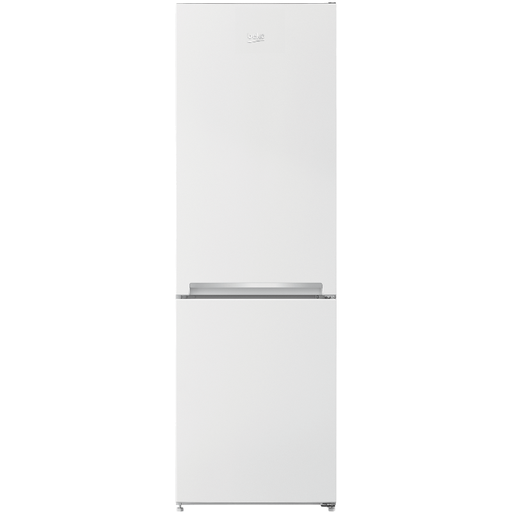
Beko RCHA270K40WN, 251 l, No Frost, energy rating E
This could suit you if you’re looking for a freestanding 251 l fridge-freezer; check that the freezer compartment has a 4-star rating before using it to freeze fresh sauce.
The product name lists No Frost and energy rating E.
View at Joybuy
 No image available
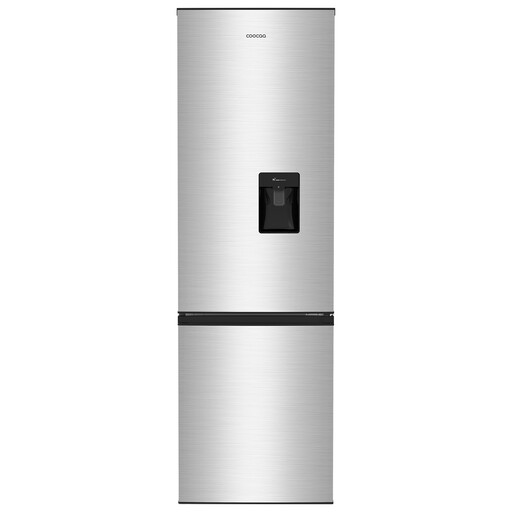
Coocaa SRD-358DBD, 268 l, energy rating E
This could suit you if you’re looking for a 268 l fridge-freezer; check the freezer star rating and layout before choosing this model for freezing sauce.
The product name lists a total capacity of 268 l and energy rating E.
View at Joybuy
 No image available
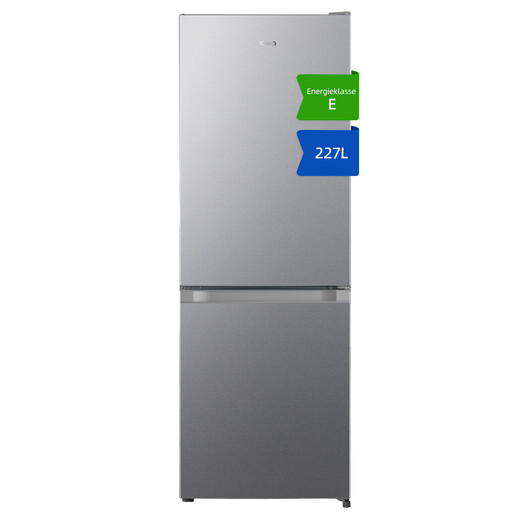
CHiQ JR227LSE, 227 l, 4-star freezer, Low Frost
The product name lists a 4-star freezer, so this model meets the requirement for freezing homemade sauce.
The product name lists 153 l of fridge space, 74 l of freezer space and a width of 54 cm. Low Frost reduces ice build-up, but you’ll still need to defrost it.
View at Joybuy
 No image available
CHiQ JR205LSE, 205 l, Low Frost, energy rating E
This could suit you if you’re looking for a more compact fridge-freezer; check that the freezer compartment has a 4-star rating before using this model to freeze fresh sauce.
The product name lists 153 l of fridge space, 52 l of freezer space and a width of 54 cm. Low Frost reduces ice build-up, but you’ll still need to defrost it.
View at Joybuy
 No image available
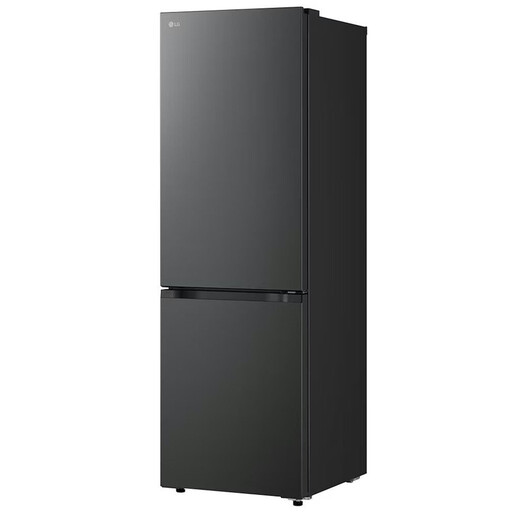
LG GBBSJ1CCEP, 333 l, energy rating C
This could suit you if you want to store more chilled and frozen food as well as portions of sauce; check the external dimensions and whether the freezer compartment has a 4-star rating.
The product name lists a total capacity of 333 l and energy rating C.
View at Joybuy
Frequently asked questions
Can I freeze cooled pasta sauce in any freezer compartment?
No. Check that the freezer compartment has a 4-star rating. The Consumers’ Association says a 4-star freezer is suitable for freezing fresh food. Let hot sauce cool first, then put the dish in the fridge or freezer within 2 hours, as advised by the Netherlands Nutrition Centre.
How should I store single portions of pasta sauce?
Cool the sauce quickly and chill it within 2 hours of cooking. The Netherlands Nutrition Centre recommends keeping leftovers in the freezer for up to 3 months.
What should I consider if my fridge-freezer is in a cold shed or garage?
Check the climate class and the specific model’s manual against the temperatures in the space where you plan to keep the appliance. The Consumers’ Association warns that a fridge-freezer may partially defrost if the surrounding temperature is too low.
What information is shown on a fridge-freezer’s energy label?
The EU energy label includes information such as annual energy consumption, fridge and freezer capacity, and noise emissions. The European Commission explains these details; compare annual energy consumption and capacity alongside the energy rating.


