What should you look for when choosing?
First, check that the fridge space and layout suit your shopping and the cream you want to store. Then compare the installation dimensions, annual energy consumption and freezer maintenance requirements. The Netherlands Nutrition Centre advises a fridge temperature of 4 °C; Energielabel.nl lists details including separate capacities and noise levels.
| What to consider |
What to look for when buying |
Who is this important to? |
| Cooling and usable fridge space |
Compare the fridge capacity and shelves; once installed, measure the temperature with a fridge thermometer. |
If I need to chill shopping for visitors too, I want a practical layout and control over the temperature; around 36% of consumers prioritise reliable cooling and fridge space. |
| Dimensions and space allocation |
Measure the available space and compare the exact model’s external dimensions and separate fridge and freezer capacities. |
In a small kitchen, I want to know whether the appliance will fit and still leave enough fridge space; around 29% of consumers prioritise suitable dimensions and the balance between fridge and freezer space. |
| Annual energy consumption |
Compare consumption in kWh per year and the energy label class for appliances with a suitable capacity. |
If I want to take energy consumption into account without choosing a fridge with too little space, I compare both figures; around 21% of consumers put annual consumption first. |
| Freezer maintenance |
Check whether the exact model has No Frost; LowFrost does not mean you’ll never need to defrost it. |
If I regularly freeze food and would rather defrost less often, I look at the type of freezer maintenance required; around 14% of consumers say maintenance is their main consideration. |
Fridge freezers at Joybuy
These models include fridge freezers with and without No Frost. Focus on comparing the separate fridge and freezer space, the stated installation dimensions and the features that suit how you’ll use the appliance.
 No image available
TCL RF338BSE0 fridge freezer
A model without No Frost to compare if you’re mainly interested in assessing the fridge space and layout for your shopping.
- Fridge capacity: 187 l; freezer capacity: 73 l.
- Fridge temperature range: 2–8 °C.
- Adjustable shelves and reversible door.
- Width: 545 mm; energy class E.
View at Joybuy
 No image available
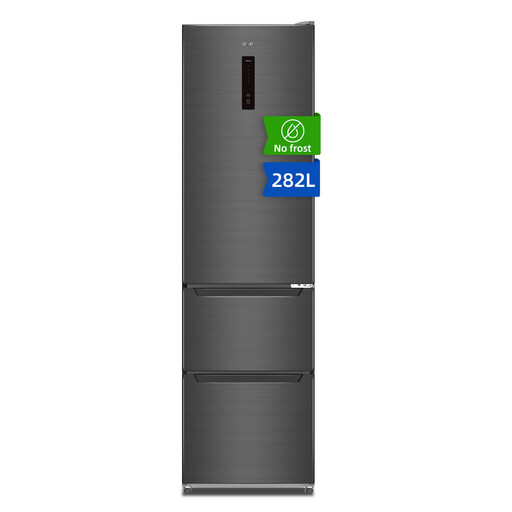
CHiQ CID282NEIBE fridge freezer
A No Frost model to consider if you want to spend less time maintaining the freezer. This feature alone doesn’t tell you how long opened cream will keep.
- Fridge capacity: 197 l; freezer capacity: 85 l.
- No Frost and automatic defrosting.
- Dimensions: 540 × 576 × 1810 mm.
- 37 dB and energy class E.
View at Joybuy
 No image available
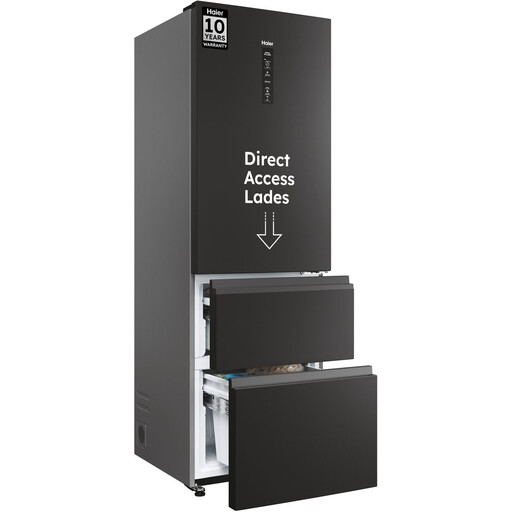
Haier HTW5618DNPT fridge freezer
An option to compare if you’re looking for No Frost as well as fridge space and a layout with multiple shelves and vegetable drawers.
- Fridge capacity: 235 l; freezer capacity: 125 l.
- Total No Frost.
- Four glass shelves and two vegetable drawers.
- Width: 59,5 cm; reversible door.
View at Joybuy
 No image available
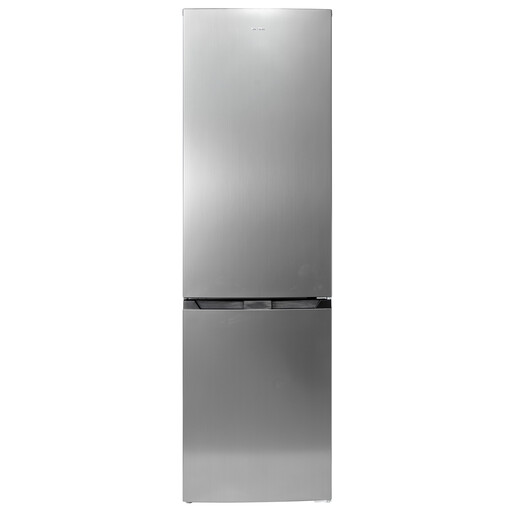
Salora CFC2530G fridge freezer
A No Frost model to compare if you want to weigh up fridge space, annual energy consumption and freezer maintenance together.
- Fridge capacity: 182 l; freezer capacity: 71 l.
- No Frost; stated consumption: 220 kWh per year.
- Dimensions: 545 × 610 × 1810 mm.
- Adjustable shelves and reversible door.
View at Joybuy
 No image available
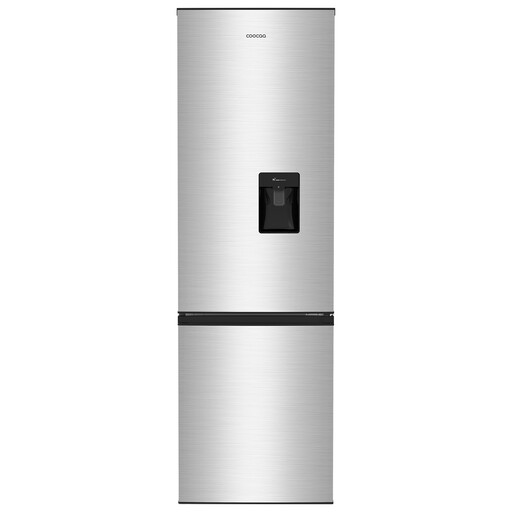
Coocaa SRD-358DBD fridge freezer
A model without No Frost to compare if fridge space and the stated layout for your shopping are important factors in your choice.
- Fridge capacity: 197 l; freezer capacity: 71 l.
- Three shelves and three door compartments.
- Width: 550 mm.
- With water dispenser; energy class E.
View at Joybuy
Frequently asked questions
How cold should the fridge be for opened cream?
The Netherlands Nutrition Centre advises a fridge temperature of 4 °C. After leaving a fridge thermometer on the bottom shelf for half a day or overnight, check the temperature. The setting alone won’t confirm the actual temperature.
How long will opened cream keep if friends are coming later?
It depends on the type of cream and how it’s stored. The Netherlands Nutrition Centre says opened, unwhipped whipping cream keeps for 4–6 days in the fridge; don’t apply this timeframe to whipped cream or other types of cream. Put perishable food back in the fridge promptly and, according to the Netherlands Nutrition Centre, don’t leave it out of the fridge for more than two hours.
What should you check before installation and during use?
Compare the exact model’s external dimensions with the available space and follow the installation instructions supplied with it. Once it’s up and running, check the actual fridge temperature. A LowFrost freezer still needs periodic manual maintenance.
What costs and rights should you consider after buying?
Compare the stated consumption in kWh per year; your actual electricity costs also depend on how you use the appliance and your electricity tariff. The Dutch Government states that you are entitled to a product that works properly in the Netherlands and that you should contact the seller if there’s a fault. An extra warranty doesn’t replace this legal right.
What can you do with the energy label and your old fridge?
The Dutch Government states that household appliances must have an energy label. According to Milieu Centraal, when you buy a new, comparable appliance, you can hand in your old fridge free of charge through the old-for-new scheme. Arrange with the delivery team how collection will work in practice.


