
Market shopper with opened dairy
You want to chill opened cream and other perishable shopping as soon as you get home. The Netherlands Nutrition Centre advises chilling perishable shopping as quickly as possible and setting your fridge to 4 °C.


Choose a fridge freezer that fits your kitchen and lets you set and check the fridge temperature at 4 °C. For opened cream, the fridge compartment matters more than extra freezer space. Then compare the separate capacities, annual energy consumption and, if relevant, No Frost, and follow the storage guidance on your cream’s packaging.
You want to chill opened cream and other perishable shopping as soon as you get home. The Netherlands Nutrition Centre advises chilling perishable shopping as quickly as possible and setting your fridge to 4 °C.
Before buying, you want to know whether a freestanding model will fit the available space, or whether the housing dimensions and door fitting are right for a built-in model. The Consumers’ Association and Liebherr highlight placement and housing dimensions as points to consider.
You use the freezer as well as the fridge and want to decide whether No Frost suits your needs, so you can defrost the freezer less often. The Consumers’ Association describes No Frost as a feature that prevents ice from building up in the freezer compartment.
| What to consider | What should you look for? | Who is this important to? |
|---|---|---|
| Fridge temperature | Check whether you can set the fridge to 4 °C, and measure the temperature with a fridge thermometer. The Netherlands Nutrition Centre recommends 4 °C. | If I want to keep opened cream safely chilled after a visit to the market, I need to be able to set and check the temperature. Around 36% of consumers put this first. |
| Suitable size and fridge space | Measure the available space or housing recess, and check the ventilation clearance for freestanding models. Compare the fridge and freezer capacities separately. | Anyone with a fixed housing recess or limited kitchen space wants an appliance that fits and has enough room for chilled shopping. Around 29% of consumers prioritise this. |
| Annual energy consumption | Compare the annual consumption in kWh on the energy label of models that are the right size. If you wish, work out the electricity costs using your own tariff. | If I want to factor in my ongoing running costs, I compare the stated annual consumption before choosing a model. Around 21% of consumers start with energy consumption. |
| Freezer space and defrosting | Consider how much freezer space you need and whether the model has No Frost in the freezer compartment. Compare this with its energy consumption and fridge space. | Consumers who regularly freeze food want enough freezer space and less manual defrosting. Around 14% of consumers put this need first. |
No Frost prevents ice from building up in the freezer compartment, but it doesn’t tell you what temperature the fridge compartment reaches. The fridge temperature is still important for opened dairy cream.
Check the fridge compartment with a fridge thermometer and set the fridge to 4 °C. The Netherlands Nutrition Centre advises chilling perishable shopping soon after leaving the market; take a cool bag if your journey home is long or the weather is very warm.
Total capacity doesn’t tell you how much space is available separately for chilled shopping and frozen food. A built-in model must also fit the housing recess and door fitting; a freestanding model needs ventilation clearance too.
Measure the available space and check the manual for the required ventilation clearance. Then compare the fridge and freezer capacities of the exact model variant.
The energy rating alone doesn’t tell you what your own electricity bill will be. The stated annual consumption and your electricity tariff also play a part.
Compare the annual consumption in kWh of models that are the right size, and calculate the costs using your own tariff. Milieu Centraal advises taking the energy label into account when choosing.
The Bosch KGN36VIBT is a freestanding fridge freezer you can use to compare separate fridge and freezer capacities.
The Samsung RB38C607AS9/EF is an example of a freestanding model for anyone considering total capacity and available height.
The Liebherr ICNSd 5123 is a built-in example where the housing recess and sliding door fitting are key considerations.
These models include freestanding and built-in fridge freezers. Compare the dimensions and stated fridge and freezer capacities with your kitchen and shopping needs.
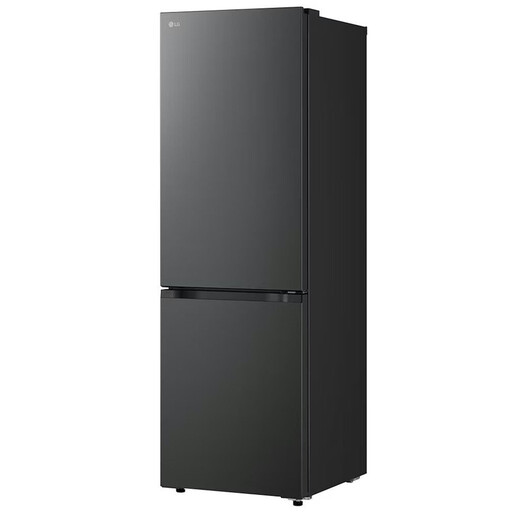 No image available
The stated temperature controls make this model worth comparing if you want to set the fridge temperature yourself.
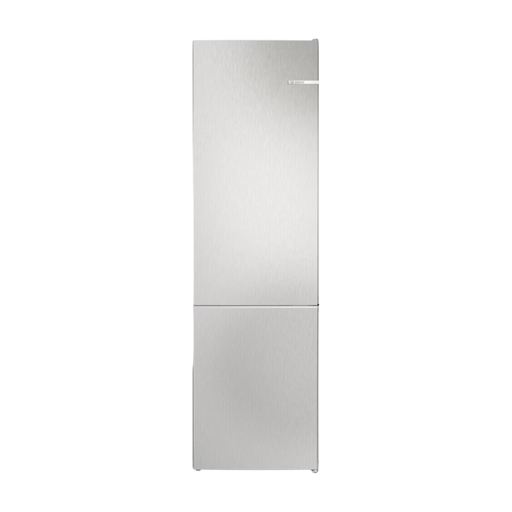 No image available
This model is worth comparing if you use the freezer as well as the fridge and want to prevent ice building up in both compartments.
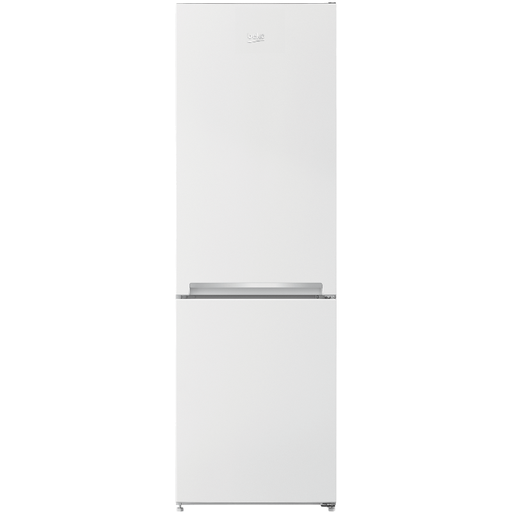 No image available
The separate dial for the fridge temperature is useful if you want to adjust the fridge compartment setting.
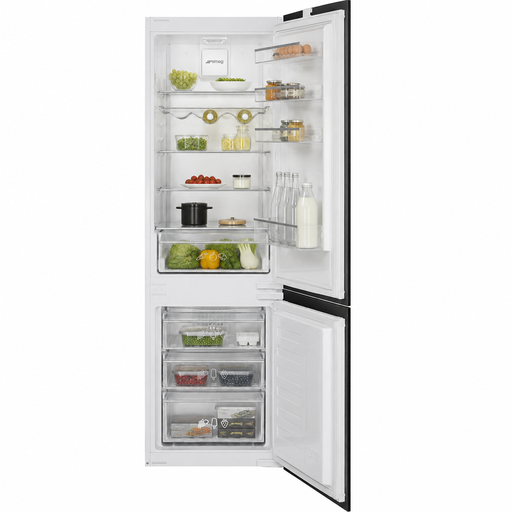 No image available
This built-in model is an option if a 178 cm housing recess suits your kitchen and you want a separate fridge compartment.
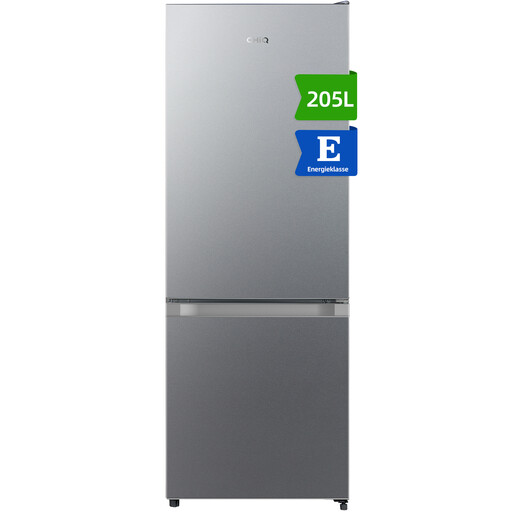 No image available
The separate fridge and freezer capacities can help you decide whether this model suits your kitchen space and shopping needs.
The Netherlands Nutrition Centre recommends setting your fridge to 4 °C and checking the temperature with a fridge thermometer. Put opened dairy cream back in the fridge promptly after use, and follow the packaging for the exact storage life of your type of cream.
Don’t use the freezer as a substitute for chilled storage if you want to use the opened pack again. The Netherlands Nutrition Centre says that unwhipped double cream is less suitable for freezing because its texture can change; for other types of cream, follow the storage advice on the packaging.
Chill perishable dairy products as soon as possible after you get home. The Netherlands Nutrition Centre recommends using a cool bag in very warm weather or for a long journey home; your fridge at home can’t undo incorrect handling during transport.
Check the energy label and product information sheet for the specific model. The European Commission explains EU energy labelling for appliances covered by the rules, and the registration of model information in EPREL; the energy rating alone can’t predict your electricity bill.
No. According to the Dutch government, there is no fixed statutory guarantee period in the Netherlands: the product must be of satisfactory quality, and its expected useful life is taken into account. If there’s a problem, contact the seller; any manufacturer’s guarantee is in addition to this.