
Cooking for a neighbourhood meal
You’re making dressing and other perishable dishes for several guests. Check the temperature and make sure your sealed containers fit in the fridge compartment.


Don’t automatically buy a larger fridge freezer for a single neighbourhood meal. First, check whether your existing fridge has enough space and stays at around 4 °C, as recommended by the Netherlands Nutrition Centre (Voedingscentrum). When comparing a new appliance, look separately at usable fridge capacity, freezer capacity and external dimensions. Also check its annual energy consumption and noise level. Dishes containing raw egg need extra care: the Voedingscentrum recommends keeping them chilled for no more than 24 hours and advises against serving them to vulnerable groups.
You’re making dressing and other perishable dishes for several guests. Check the temperature and make sure your sealed containers fit in the fridge compartment.
You organise meals regularly and want the fridge and freezer space to suit what you actually store. Compare the compartments separately.
You’re looking for an appliance that fits in your kitchen or alcove, while also considering energy consumption and noise. Measure the available space and, for a built-in model, the housing niche.
Start with safe chilling and enough room for your dishes. Then compare the energy consumption and fit of models suited to your needs.
| What to consider | What should you check? | Who should pay particular attention? |
|---|---|---|
| Safe chilling | Check whether you can adjust the temperature and whether your sealed containers will fit. Once the appliance is in place, check the temperature with a separate fridge thermometer. | If I’m making perishable dressing for guests, I want to check that it’s being kept cold enough. Around 36% of consumers put safe chilling first. |
| Fridge space for dishes | Compare the fridge compartment’s capacity and layout with the size of your dishes and containers, and check that everything will fit. | If I’m chilling several dishes for a group, I need enough usable space for my portions. Around 29% of consumers give fridge space for group meals top priority. |
| Energy consumption | Compare the stated annual energy consumption in kWh of models with a capacity that suits your day-to-day needs. | If I’m using the appliance all year round, I don’t want to choose more capacity than I need. Around 21% of consumers focus mainly on energy consumption. |
| Placement and noise | Measure the available space, delivery route and any housing niche. Compare the external or niche dimensions and the stated noise level in dB. | In a small or open-plan kitchen, dimensions and noise are key factors in my choice. Around 14% of consumers give fit or quiet operation top priority. |
A larger total capacity doesn’t automatically mean more room for chilled dishes, as the freezer is included in that figure. Milieu Centraal warns that an oversized fridge can use energy unnecessarily. The EU energy label includes information such as annual energy consumption and storage volume.
A drawer described as suitable for fruit and vegetables won’t automatically keep dressing made with perishable ingredients safe. Dressing containing raw egg has its own short storage recommendation.
Check the temperature with a fridge thermometer and take the ingredients and storage time for your recipe into account.
The stated total capacity includes both the fridge and freezer compartments. A spacious freezer won’t necessarily give you the room you need for fresh dressing and other dishes for your meal.
Compare fridge and freezer capacity separately, and measure your containers and dishes before choosing a model.
An extra appliance that’s switched on continuously uses energy even when you don’t need it for a meal.
First check whether your existing fridge can keep the portions safely chilled and has enough space. Milieu Centraal lists temporarily switching on a second fridge for parties as one option.
The freestanding KGN39VXAU is a useful point of comparison if you want to compare fridge and freezer capacity separately, along with the external dimensions.
The RB38C7B6AB1/EF is worth comparing if you’re interested in a convertible lower compartment and want to weigh this against the available freezer space.
The freestanding CNsdc 5703 and built-in ICNSd 5103 show how installation type and stated capacity can vary within the same brand.
The freestanding B5RCNA376HG is a useful point of comparison if you want to compare a 59.5 cm-wide model with other sizes.
This selection includes compact fridges with a freezer compartment and freestanding fridge freezers, with a range of fridge and freezer capacities for chilled portions and group meals.
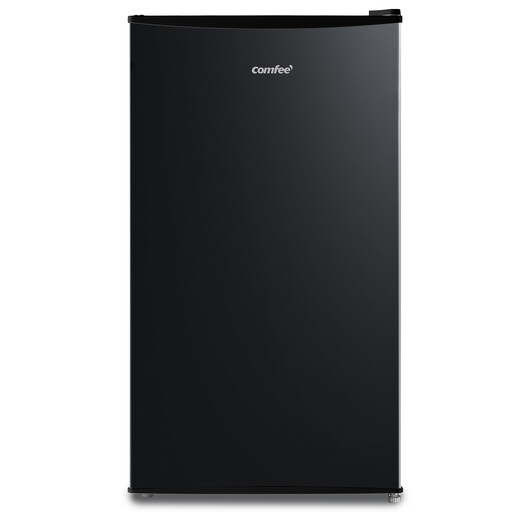 No image available
A compact option if you’re short on space and only need to chill a small number of sealed portions.
80 l total: 68 l fridge compartment and 12 l freezer compartment. Temperature control; reversible door; height 84,5 cm; energy class E.
The stated freezer temperature range is −18 °C to −8 °C.
 No image available
The stated fridge capacity provides space for chilled portions. Check that the external dimensions and layout suit your kitchen.
187 l of fridge space and 73 l of freezer space; 55 cm wide; reversible door and adjustable shelves; energy class E.
The product description states a fridge temperature range of 2–8 °C.
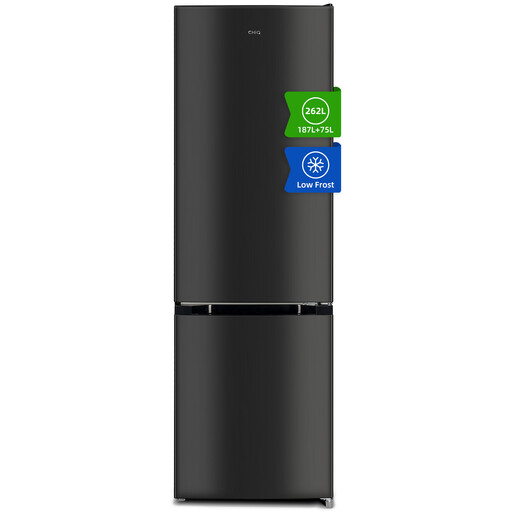 No image available
Adjustable shelves and door balconies can help you organise several chilled portions.
262 l total capacity; Low Frost; 4-star freezer compartment; stated noise level 39 dB; reversible door.
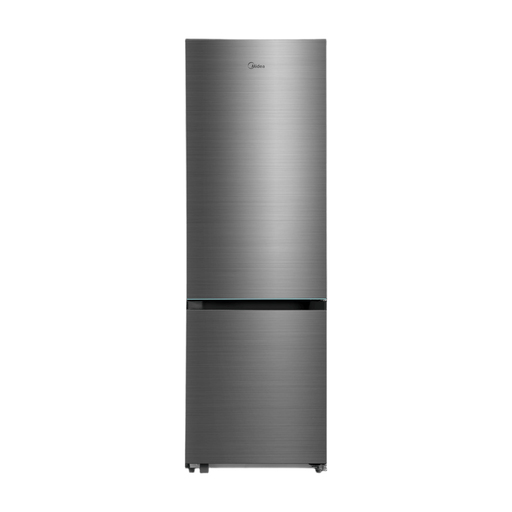 No image available
The stated fridge capacity and four shelves make this one to consider if you want to keep several dishes chilled.
330 l total capacity and 232 l of fridge space; stated depth 57 cm; reversible door; stated noise level 35 dB; energy class E.
The product description lists electronic temperature control and Super Cooling.
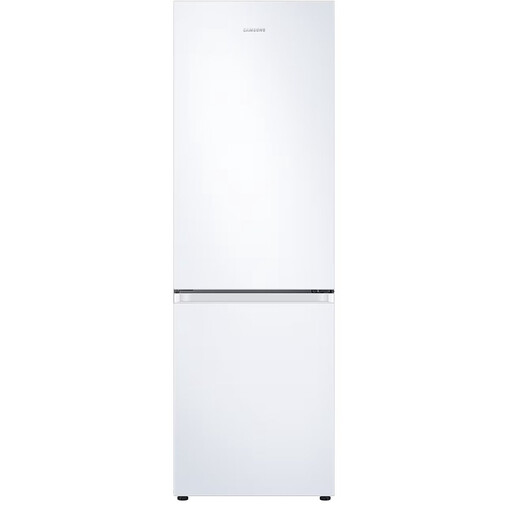 No image available
Compare the stated fridge capacity and shelves with the containers and portions you want to store for your meal.
344 l total capacity and 230 l of fridge space; three shelves; No Frost; Wi-Fi control with SmartThings.
Place a fridge thermometer in the middle of the bottom shelf, leave it there for half a day or overnight, then check that it reads 4 °C. The Voedingscentrum recommends this check because the dial setting doesn’t show the actual temperature.
No, the advice depends on the ingredients. The Voedingscentrum recommends keeping dishes containing raw egg chilled for no more than 24 hours and advises against serving them to vulnerable groups. The Bewaarwijzer says that a specific yoghurt dressing is less suitable for freezing; this isn’t a general storage recommendation for every recipe.
The Voedingscentrum recommends leaving perishable food out of the fridge for no longer than 2 hours, then throwing it away. Serve small portions and quickly put the rest back in the fridge. First check whether the specific recipe is perishable.
Not automatically: the requirements depend on the activity. The NVWA sets out rules for businesses that sell food from home or provide catering, including information about allergens. According to the NVWA, anyone who sells food more than once a year must have a food safety plan. So first establish whether it’s a private meal or a business.