
Buyer with limited space
You’re looking for a single fridge-freezer for a narrow kitchen and want to check in advance whether the appliance, door and required installation space will fit.


First, measure the available space and the clearance needed to open the door; the stated appliance width alone won’t tell you whether a fridge-freezer will fit. Then compare the usable fridge and freezer capacities separately, and choose a model that lets you set the fridge to 4 °C, as recommended by the Netherlands Nutrition Centre. For models that fit, also check the annual energy consumption and what maintenance the freezer compartment requires.
You’re looking for a single fridge-freezer for a narrow kitchen and want to check in advance whether the appliance, door and required installation space will fit.
You want to keep yoghurt and other chilled groceries neatly organised and be able to set the fridge correctly.
As well as fridge space, you need usable freezer space and want to know how much defrosting the system you choose will require.
| What to consider | What should you check? | Who is this important for? |
|---|---|---|
| Will the appliance fit, and can the door open? | Measure the space and access route. Compare the width, height and depth, and check the installation and door-opening clearance required for the exact model. | If a narrow kitchen leaves little room for manoeuvre, you’ll want to know in advance whether the appliance will fit and the door can open. Buyers who prioritise fit make up around 36% of consumers considering this choice. |
| Fridge space for yoghurt | Check the fridge capacity and layout separately from the freezer capacity. Make sure you can set the fridge to 4 °C, as recommended by the Netherlands Nutrition Centre. | If you often store yoghurt and other chilled groceries, you’ll want enough well-organised fridge space. This is the main concern for around 29% of consumers. |
| Freezer space and layout | Compare the freezer capacity, the shelf or drawer layout, and the model’s defrosting system. | If you regularly store frozen food, you’ll want to know whether the capacity and layout suit what you need to keep in it. Around 21% of consumers prioritise freezer space. |
| Energy consumption and maintenance | Compare the annual consumption in kWh on the EU energy label for models that fit in terms of size and capacity. Also check whether the freezer compartment is static, SmartFrost or No Frost. | If energy consumption and defrosting maintenance are your main concerns, compare these alongside the size and capacity. Around 14% of consumers put these considerations first. |
A fridge-freezer’s total capacity is split between the fridge and freezer. For yoghurt and other chilled groceries, what matters most is how much usable fridge space you have.
Compare the fridge and freezer capacities separately. For example, Inventum lists 163 l of fridge space and 41 l of freezer space for the KV1430B.
A stated width of 54 or 55 cm doesn’t tell you on its own whether the appliance will fit in your chosen spot or whether the door will open far enough.
Before buying, measure the space and access route, and check the installation instructions for the exact model.
Liebherr says that SmartFrost reduces frost build-up in the CUele 2331. That doesn’t mean you’ll never need to defrost it.
Check the exact description and the maintenance instructions for the freezer compartment.
Beko’s RCSA240K40WN is a freestanding fridge-freezer with a bottom freezer and a width of 54 cm.
The freestanding Inventum KV1430B has a top freezer and is 55 cm wide.
The freestanding Liebherr CUele 2331 is 55 cm wide and features SmartFrost.
This selection includes freestanding and integrated models with different capacities and designs. Before choosing, compare the external dimensions of freestanding models or the niche dimensions of integrated models with your kitchen.
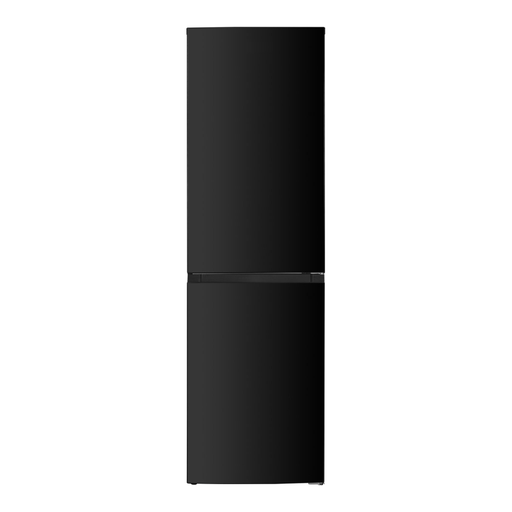 No image available
A freestanding model to consider if the stated dimensions suit your kitchen; also check there’s enough room for the door.
The stated dimensions are 181 × 54,5 × 60 cm. It has a capacity of 247 l and an energy rating of D. The No Frost designation applies to the freezer compartment.
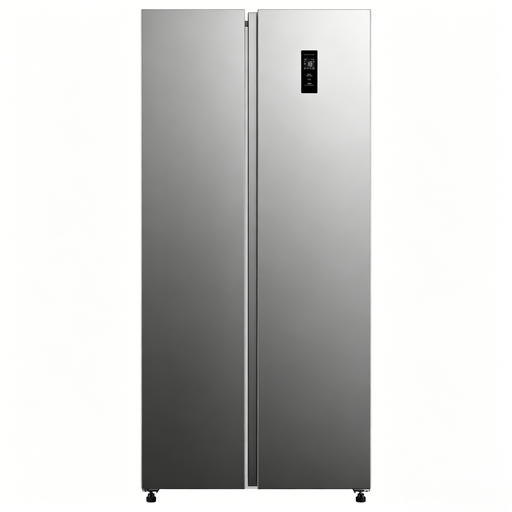 No image available
This side-by-side model is only an option if you have enough space; check the external dimensions before making a decision.
The stated net capacity is 444 l. The product description mentions Total No Frost; the title states 40 dB.
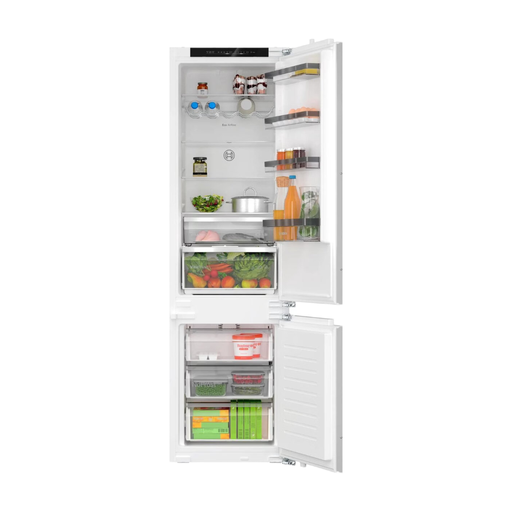 No image available
An integrated model to compare if your kitchen has a suitable niche; check the niche dimensions and installation requirements.
The stated minimum niche dimensions are 194 × 56 × 55 cm. The specifications list 215 l of fridge space and 75 l of freezer space.
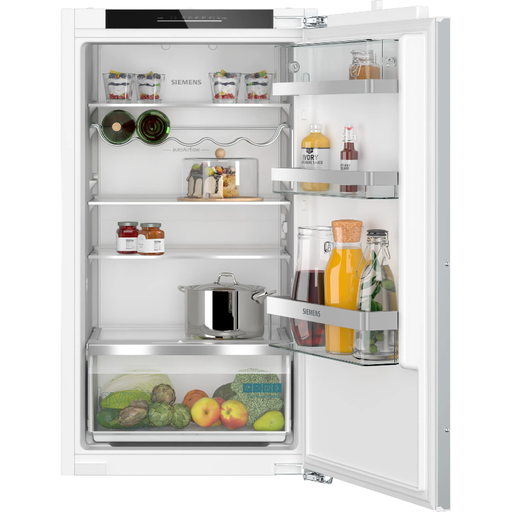 No image available
This integrated model is worth considering if you have a suitable space for it; check the niche dimensions for your kitchen.
The stated minimum niche dimensions are 102,5 × 56 × 55 cm. The title mentions NoFrost.
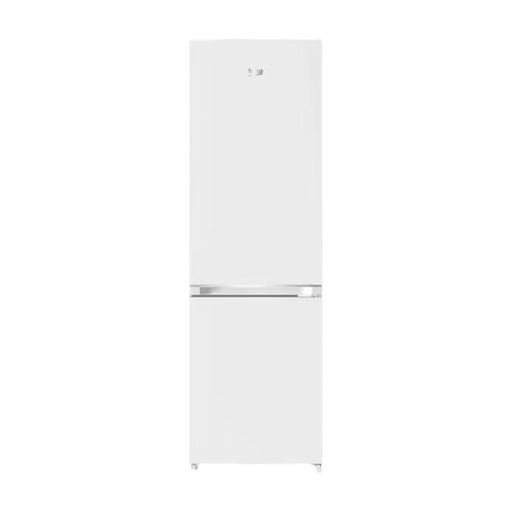 No image available
A freestanding model to compare if its external dimensions suit your kitchen; check the dimensions and door clearance in advance.
The title lists a capacity of 255 l, NoFrost and energy class E. The product description mentions three freezer drawers and adjustable fridge shelves.
Keep fresh yoghurt in the fridge, and follow the storage advice and date on the packaging. The Netherlands Nutrition Centre recommends setting your fridge to 4 °C and says that full-fat yoghurt isn’t suitable for freezing.
No. Also compare the height and depth, the installation clearance specified in the manual, and the space needed to open the door. The required dimensions depend on the model and where it will go in your kitchen.
No. According to Liebherr, SmartFrost reduces frost build-up in the CUele 2331, but it isn’t a No Frost designation. Check the model’s maintenance instructions.
Compare the stated annual consumption in kWh for models that fit in terms of size and capacity. The EU energy label also lists the fridge and freezer capacities; your actual costs depend on your electricity tariff and how you use the appliance.
Since 1 March 2021, the EU scale for household fridges and freezers has run from A to G, according to the European Commission. The scale helps you compare models, but you don’t have to choose a particular energy class.