
Organiser with lots of melon containers
You need to keep several covered portions chilled alongside your usual shopping for the neighbourhood supper. The usable layout of the fridge compartment matters more than the appliance’s total capacity.


Choose a fridge or fridge freezer with enough room for covered containers; the total capacity alone won’t tell you how much usable fridge space you have. The Netherlands Nutrition Centre advises storing cut melon covered and setting your fridge to 4 °C; check the temperature with a thermometer. Then compare the available space, annual energy consumption and freezer compartment. Don’t buy extra capacity for one meal if your current fridge already meets your needs.
You need to keep several covered portions chilled alongside your usual shopping for the neighbourhood supper. The usable layout of the fridge compartment matters more than the appliance’s total capacity.
You’re looking for enough cooling capacity, but first you need to check that the appliance, its door and your containers will fit in the available space.
You’ll use the fridge freezer after the neighbourhood supper too, so compare annual energy consumption, freezer convenience and maintenance—not just the space you need for one meal.
Start by working out how much space and what temperature you need for covered containers of melon. Then consider extra freezer space and features for everyday use.
| Consideration | What to look for | Who is this important to? |
|---|---|---|
| Keeping melon safely chilled | Check that there’s room for covered containers and that you can set and measure the fridge temperature. | I want to keep the melon covered and chilled for the neighbourhood supper, without relying on the display setting alone. Around 36% of consumers prioritise checking the actual temperature. |
| Usable fridge space | Compare the fridge and freezer capacities separately and measure your containers. Also check the shelf heights and drawer layout. | If several containers of melon need to fit alongside my usual shopping, the space they actually take up matters. Around 29% of consumers prioritise fridge capacity. |
| Appliance and installation space | Measure the space, access route and doorway. If you’re installing the appliance somewhere that isn’t a heated kitchen, check the climate class and the model instructions. | I need to know in advance whether the appliance will fit in the space available and get through the entrance. Around 21% of consumers put fitting the appliance in their space first. |
| Using it after the neighbourhood supper | Compare the stated annual energy consumption in kWh, capacity and features in each model’s product information. | For everyday use, energy consumption and freezer maintenance matter even after the supper is over. Around 14% of consumers prioritise these running costs and freezer features. |
Total capacity includes the freezer compartment. The Consumers’ Association also points out that the stated capacity may differ from the space you can actually use.
Measure your sealed containers and compare the fridge capacity, shelves and layout separately.
The Netherlands Nutrition Centre advises storing cut melon covered in the fridge. The Consumers’ Association notes that drier air can cause uncovered food to dry out more quickly.
Keep cut melon sealed or covered, even in an appliance with extra features.
Not every appliance is suitable for the same ambient temperature. This is particularly important if you’re temporarily cooling food somewhere else.
Check the climate class and the instructions for the exact model, then measure the fridge temperature after installation.
Bosch offers freestanding fridge freezers with separate stated capacities for the fridge and freezer compartments.
The LG models mentioned show why you should compare the model code, fridge capacity and other specifications separately.
The CNsdc 5703 is a freestanding NoFrost fridge freezer with a different stated total capacity to compare against the available space and layout.
Beko offers freestanding fridge freezers, including models with a freezer compartment at the bottom.
These Joybuy products are fridges and fridge freezers for keeping covered melon chilled. Compare the fridge space and layout with your own containers.
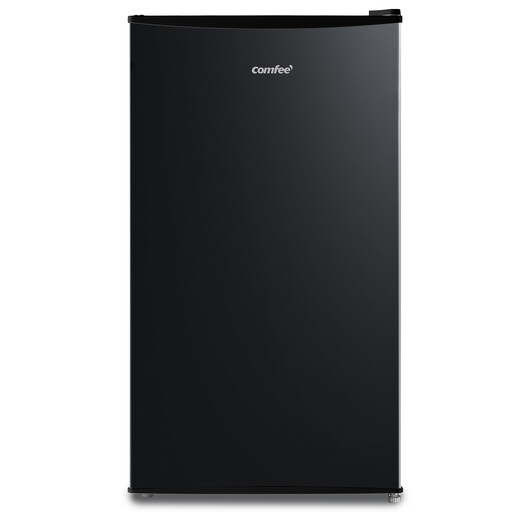 Image unavailable
Worth considering for covered melon in the fridge compartment; check that your containers will fit in the available space.
80 L total: 68 L fridge compartment and 12 L freezer compartment. The freezer compartment has a 4-star rating. The stated height is 84,5 cm and the door is reversible.
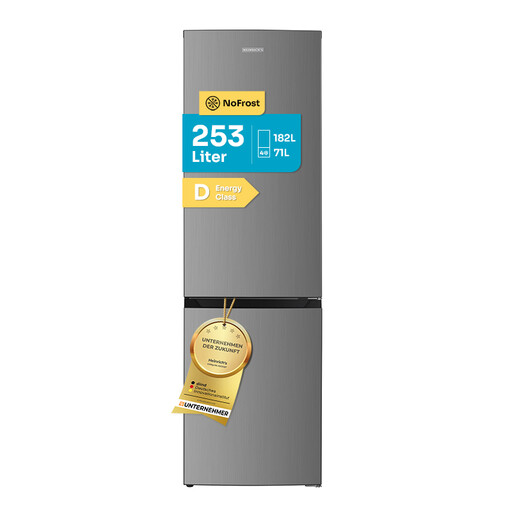 Image unavailable
Worth considering if you want to store chilled containers of melon alongside other shopping; compare the layout with your own containers.
253 L total: 182 L of fridge space and 71 L of freezer space. The title mentions No Frost, a reversible door hinge and 39 dB.
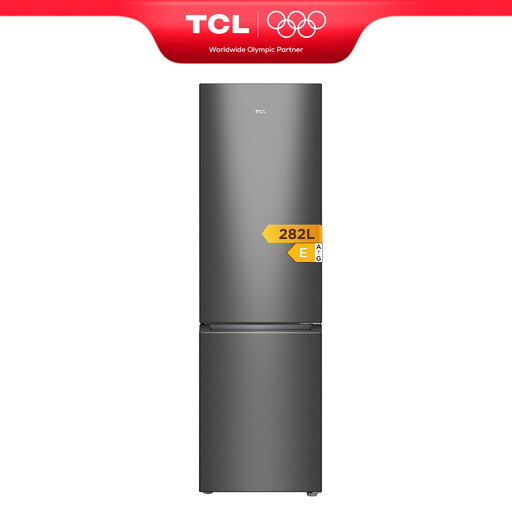 Image unavailable
Worth considering for covered melon in the fridge compartment; check that your container dimensions work with the shelves.
282 L total: 202 L of fridge space and 80 L of freezer space. The stated width is 55 cm; the title mentions a reversible door and electronic controls.
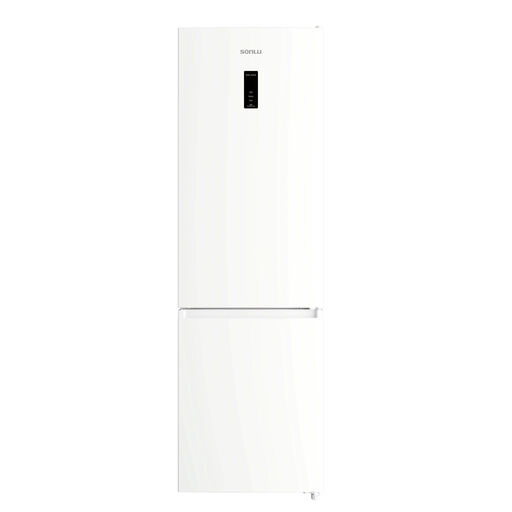 Image unavailable
Worth considering if you want to chill several covered containers; compare the stated fridge capacity with the actual dimensions of your containers.
355 L total: 252 L of fridge space and 103 L of freezer space. The stated width is 60 cm; the title mentions a reversible door and electronic temperature control.
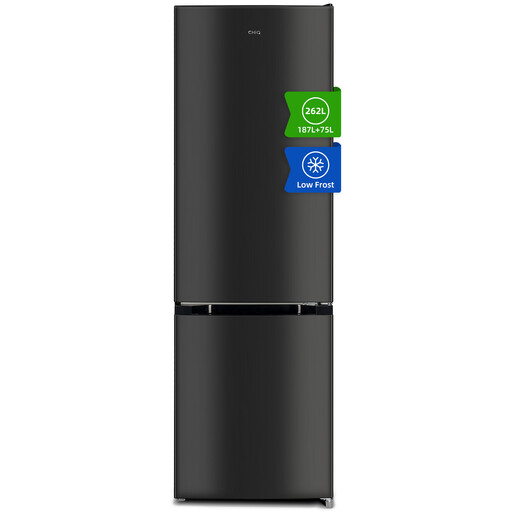 Image unavailable
Worth considering for covered melon in a fridge freezer; check the fridge layout with your own containers.
The title lists 262 L, Low Frost, a 4-star freezer compartment, 39 dB and a reversible door.
Wash the melon before cutting it, store it covered in the fridge once cut, and use a thermometer to check that the temperature is 4 °C. This follows the storage advice from the Netherlands Nutrition Centre. Take chilled portions out of the fridge only when you need them.
Yes. The Netherlands Nutrition Centre advises removing the rind first, cutting the melon into pieces and freezing them in an airtight container or freezer bag. Set the freezer to at least −18 °C for food storage.
For a purchase made by a consumer in the Netherlands, you’re entitled to a product that works properly and should contact the seller if there’s a problem, according to the Dutch government. Any manufacturer’s guarantee is separate from this. Before buying, also check the terms for delivery, installation and removal of your old appliance.
The Netherlands Food and Consumer Product Safety Authority (NVWA) sets out obligations for private and professional sellers who sell food at markets and events. This doesn’t automatically mean the same sales rules apply to a private neighbourhood supper where nothing is sold. For repeated sales from home, the NVWA sets out additional requirements, including a food safety plan.
Compare the energy label rating with the stated annual energy consumption and capacity of the specific models. The EU energy label runs from class A to G; the rating alone won’t tell you how much space your melon containers will take up.