
Keeping lettuce chilled
You want to keep lettuce chilled and easy to find when you have guests. So consider the salad drawer, packaging and the actual fridge temperature.


Choose a fridge-freezer with a salad drawer and enough usable fridge space for your usual shopping. Check with a fridge thermometer that it reaches 4 °C, as recommended by the Netherlands Nutrition Centre. If your current fridge maintains this temperature and you only run short of space when you have guests, reorganising it may be enough. Weigh up any extra capacity against the appliance’s external dimensions and annual energy consumption.
You want to keep lettuce chilled and easy to find when you have guests. So consider the salad drawer, packaging and the actual fridge temperature.
You also store fresh food or frozen supplies on ordinary days, so compare the fridge and freezer capacities separately.
You’re looking for an appliance that fits in your kitchen and are considering the capacity you need and its energy consumption.
The Netherlands Nutrition Centre recommends keeping vegetables in the salad drawer and setting your fridge to 4 °C. A fresh-food drawer is no substitute for checking the temperature and following the storage advice for the lettuce you buy.
| What to consider | What to look for when buying | Who is this most relevant to? |
|---|---|---|
| Keeping lettuce chilled | Check the space and layout of the salad drawer. Once the fridge is in place, use a thermometer to check whether it reaches 4 °C. | If I want to keep lettuce chilled for guests, I look at the drawer, packaging and temperature. Around 36% of consumers rank keeping lettuce fresh as their top buying priority. |
| Fridge space alongside freezer space | Compare the stated fridge and freezer capacities separately, and check whether the shelves and drawer suit your shopping. | If you need to store extra fresh food for guests, you’ll want to know how much usable space the fridge section actually has. Around 29% of consumers give usable extra capacity their top priority. |
| Energy consumption | Compare the annual consumption in kWh and the energy label rating of models with a suitable capacity. | If I use an appliance every day, I want to take its stated annual consumption into account when choosing. Around 21% of consumers put energy consumption at the top of their list. |
| Dimensions and maintenance | Measure the height, width and depth, and check how much clearance is needed for installation. Look for No Frost in the freezer section if you want to defrost less often. | If you have limited space or would rather avoid frequent defrosting, you’ll want an appliance that fits and suits your maintenance preferences. Around 14% of consumers give fit and maintenance their top priority. |
A drawer or temperature feature doesn’t prove how long opened lettuce will stay fresh in your circumstances. Storage advice also depends on the type of lettuce, its packaging and the fridge temperature.
Check the packaging and storage advice for the lettuce you buy. Use the salad drawer as a place to store it, not as a guarantee of extra shelf life.
A second fridge that’s on all the time uses additional electricity.
According to LG, the GBBS525CPY is a 375-litre fridge-freezer with features including Fresh Balancer and Fresh Converter+.
According to Bosch, the KGN39VLCT has 260 litres of fridge space, 103 litres of freezer space, VitaFresh and No Frost.
According to Liebherr, the CNsdc 5203 combines a total capacity of 330 litres with an EasyFresh drawer and a No Frost freezer section.
According to Midea, the MDRB600MIC46 has 312 litres of fridge space and 130 litres of freezer space; its stated width is 595 mm.
These fridge-freezers are listed with a vegetable or fresh-food zone. Compare the fridge and freezer capacities, and check that the layout suits your lettuce and everyday shopping.
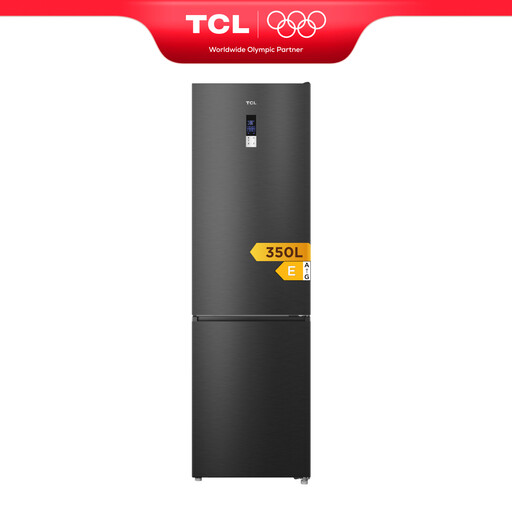 Image unavailable
The product description lists a Fresh Zone drawer for fruit and vegetables, and a Variable Zone with adjustable temperature settings.
Stated capacity: 248 l of fridge space and 102 l of freezer space. Energy label E.
 Image unavailable
The product description lists a Fresh Zone drawer for fruit and vegetables.
Stated capacity: 187 l of fridge space and 73 l of freezer space. The title states a width of 55 cm and energy label E.
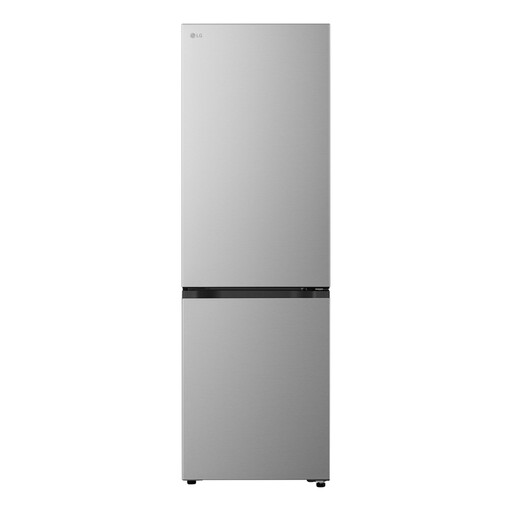 Image unavailable
The product description lists two vegetable drawers, including a Moist Balance Crisper and a FRESHConverter drawer with temperature settings for items including vegetables.
Stated capacity: 375 l. The title states Total No Frost and energy label C.
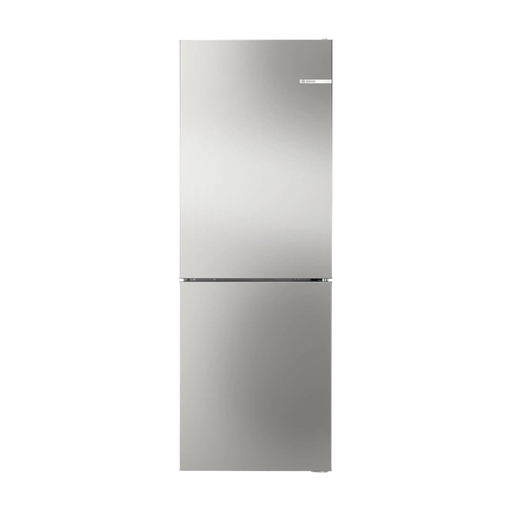 Image unavailable
The product description lists a VitaFresh compartment; the title states that the freezer section has NoFrost.
Stated capacity: 308 l.
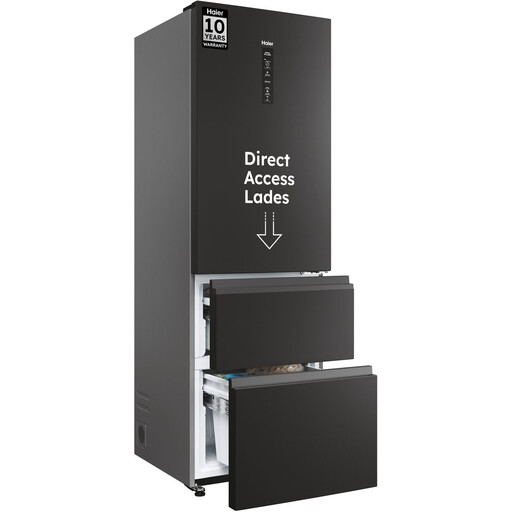 Image unavailable
The product description lists two vegetable drawers for storing vegetables.
Stated capacity: 235 l of fridge space and 125 l of freezer space. The description states Total No Frost.
Keep undressed mixed salad chilled and, if it’s in sealed packaging, follow the use-by date. For opened salad without dressing, the Netherlands Nutrition Centre recommends keeping it in the fridge for two days and advises against freezing it. Set your fridge to 4 °C and check the temperature with a thermometer.
Keep vegetables in the salad drawer; No Frost isn’t essential for storing lettuce. The Netherlands Nutrition Centre recommends keeping pre-cut raw vegetables well sealed, preferably in their original packaging. Consider No Frost as a feature that reduces maintenance in the freezer section, not as an indication that lettuce will keep for longer.
Compare the stated annual energy consumption in kWh of appliances with a suitable capacity. According to the ACM, if a product is faulty, the retailer must deal with the statutory guarantee; a manufacturer’s warranty doesn’t replace this right. Online purchases generally come with a 14-day cooling-off period, subject to applicable exceptions. This cooling-off period is separate from your rights if a product is faulty.
When a private customer buys a new, similar appliance, the Dutch Government’s old-for-new scheme applies. The retailer must take away the old appliance free of charge; this also applies to online purchases and delivery. Agree how your old appliance will be collected before delivery.
Household fridges and freezers must carry an EU energy label. The European Commission states that the A to G scale has been in use since 1 March 2021; the label shows information including energy consumption and storage volumes. This is a labelling requirement, not a requirement for buyers to choose an appliance with an A rating.