What should you look for when storing soup?
First decide whether you’ll eat the portions within two days or want to keep them for longer. Then compare the space your containers will actually take up and check that the appliance will fit where you plan to put it.
| What to consider |
What should you check? |
Who is this important for? |
| Chilling soup promptly |
Check whether sealed containers will fit and whether you can set and check the fridge temperature at 4 °C. The stated capacity in litres isn’t the same as usable shelf space. |
If I want to chill several containers quickly and keep them organised after a neighbourhood meal, I’ll focus on the layout and temperature setting. Around 33% of consumers say prompt chilling is their top priority. |
| Freezing portions |
Compare the freezer capacity and drawer dimensions with your containers. Check that the freezer compartment is suitable for freezing fresh leftovers. |
If I want to keep soup that won’t be eaten within two days, I’ll need space for individual portions in suitable drawers. Around 27% of consumers rank having enough freezer space for later above other buying considerations. |
| Finding the right size |
Measure the available space and access route, then compare them with the model’s external dimensions and installation requirements. Also check whether your containers will fit on the shelves and in the drawers. |
In a kitchen with limited space, I want to know in advance whether the appliance will fit and whether my containers will fit inside it. Around 20% of consumers say getting the physical fit right is their top priority. |
| Annual energy consumption |
Once you’ve worked out how much fridge and freezer space you need, compare the annual consumption in kWh on the energy label. |
Once I’ve chosen a suitable size, I’ll also take the stated annual energy consumption into account. Around 20% of consumers say energy consumption is their most important buying consideration. |
Fridge freezers at Joybuy
This selection includes freestanding fridge freezers with separate fridge and freezer compartments. Compare the stated compartment capacities and external dimensions with your portions and the space available.
 No image available
Midea MDRB457FGE46 fridge freezer
The separate fridge and freezer compartments make it easier to compare space for short-term chilling and freezing portions.
Total capacity: 330 l; fridge: 232 l; freezer: 98 l.
Four-star freezer compartment; freezing capacity: 4.5 kg per 24 hours.
Annual consumption: 248 kWh; energy class E.
Dimensions: 59.5 × 57 × 186 cm.
Stated noise level: 35 dB.
View at Joybuy
 No image available
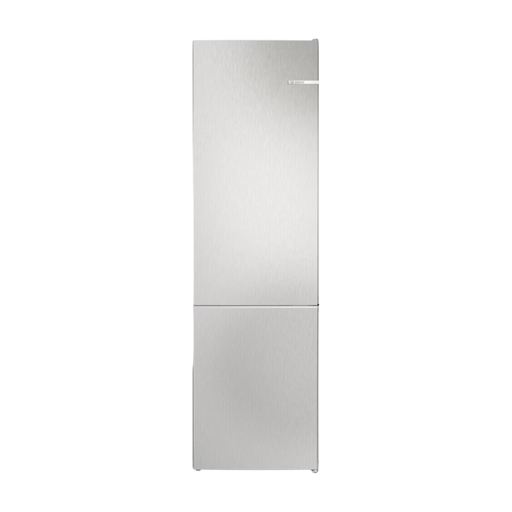
Bosch KGN392LAG fridge freezer
The stated capacity of both compartments helps you weigh up how much space is available for chilled and frozen portions.
Fridge: 260 l; freezer: 103 l.
Freezing capacity: 10 kg per 24 hours.
Annual consumption: 112 kWh.
Dimensions: 60 × 66.5 × 203 cm.
No Frost in both compartments.
View at Joybuy
 No image available
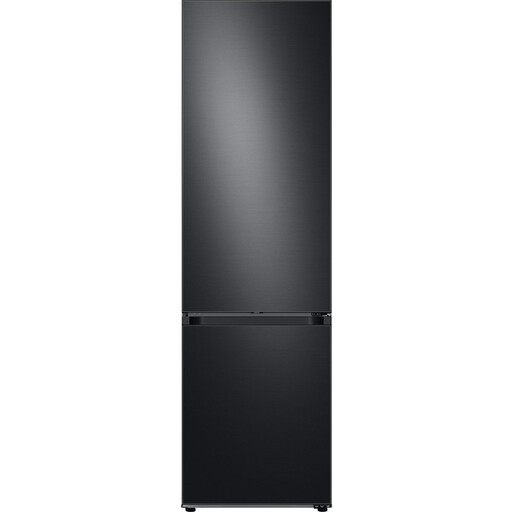
Samsung RB38C7B6AB1/EF fridge freezer
The separately stated fridge and freezer capacities make it easier to compare space for sealed containers and portions to keep for later.
Total capacity: 387 l; fridge: 273 l; freezer: 114 l.
Freezing capacity: 8 kg per 24 hours.
Energy class A; No Frost.
Dimensions: 59.5 × 65.8 × 203 cm.
Three freezer compartments; digitally controlled temperature.
View at Joybuy
 No image available
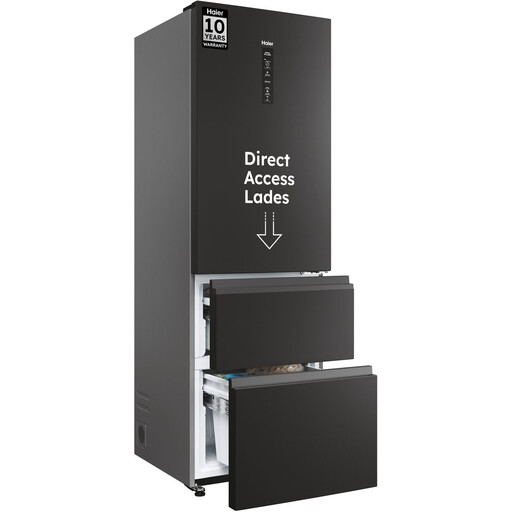
Haier HTW5618DNPT fridge freezer
The two freezer drawers can help you store portions separately; check that your containers will fit in the drawers.
Fridge: 235 l; freezer: 125 l.
Dimensions: 59.5 × 66.7 × 185 cm.
Total No Frost; 3D air circulation.
Four fridge shelves, three of which are adjustable; Wi-Fi.
View at Joybuy
 No image available
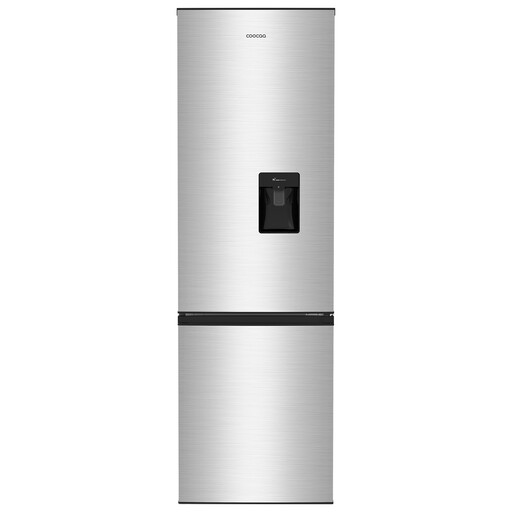
Coocaa SRD-358DBD fridge freezer
The stated fridge and freezer capacities, along with the three freezer drawers, give you specific details to compare with your portion containers.
Total capacity: 268 l; fridge: 197 l; freezer: 71 l.
Four-star freezer compartment; three freezer drawers.
Annual consumption: 139 kWh; energy class E.
Dimensions: 55 × 58.6 × 175 cm.
View at Joybuy
Frequently asked questions
How long can you keep leftover soup?
The Netherlands Nutrition Centre advises keeping leftovers covered in the fridge for no more than two days, and freezing them if you want to keep them for longer. For the specific thick soup with meat and vegetables described in its guidance, the storage guide recommends up to three months in the freezer; after that, its quality may deteriorate. For other types of soup, check the relevant storage advice.
Can you put the whole hot pan straight in the fridge?
Let leftovers cool first, divide them into sealed portion containers if needed, and put them in the fridge or freezer within two hours of cooking. The Netherlands Nutrition Centre advises setting the fridge to 4 °C and the freezer to at least −18 °C.
How should you defrost and reheat a frozen portion?
For example, defrost a portion in the fridge overnight. The Netherlands Nutrition Centre advises reheating prepared meals thoroughly until they’re piping hot.
What energy use and warranty rights should you check?
Compare the stated annual consumption in kWh for models with the fridge and freezer space you need. According to the Dutch government, there’s no fixed statutory warranty period in the Netherlands; if a product is faulty, the retailer is your point of contact. Any additional warranty doesn’t replace your statutory rights.
Does a neighbourhood meal always require a HACCP plan?
You can’t determine this from the description ‘neighbourhood meal’ alone. The Netherlands Food and Consumer Product Safety Authority (NVWA) says that food businesses, including home catering businesses, must have a food safety plan or follow a HACCP-based hygiene code. Whether this applies to the organiser depends on the activity in practice.


