Choose a fridge-freezer with a well-organised space for leafy greens and a temperature setting of around 4 °C; a dedicated freshness drawer doesn’t guarantee a particular storage life. Next, measure the available space and compare the usable fridge and freezer layouts, as well as annual energy consumption. A narrower model may suit a compact kitchen, while extra drawers or freezer space are only worthwhile if you’ll use them.
Who is this buying guide for?
If you regularly buy leafy greens
You come home after an evening class with lettuce or other leafy greens and want to put them away quickly and neatly, following the storage advice. The Netherlands Nutrition Centre advises returning chilled products to the fridge as soon as possible.
If you have a compact kitchen
You need both a fridge and a freezer, but the available width, depth and door clearance determine which appliance will fit practically. The Consumers' Association stresses that the size and type of fridge should suit the space available.
If you also freeze food
You use the freezer for foods that are suitable for freezing and take both capacity and ease of defrosting into account. The Netherlands Nutrition Centre says that a raw head of lettuce isn’t suitable for freezing.
What should you look for when choosing?
Start by checking the vegetable storage, then measure the space for the appliance and compare energy use and freezer features. The Netherlands Nutrition Centre advises setting your fridge to 4 °C; for vegetables, follow the storage advice on the packaging too.
| What to consider |
What to look for when buying |
Who is this important for? |
| Chilling and storing leafy greens |
Check the layout and accessibility of the vegetable drawer, and make sure you can adjust the fridge temperature. |
After an evening class, I want to put my leafy greens away quickly and neatly; around 33% of consumers say storing leafy greens is their top priority. |
| Getting the right size |
Measure the height, width and depth, the delivery route and the clearance needed for the door. |
In a compact kitchen, I want to be sure the appliance will fit and the door can open. Around 27% of consumers put finding the right size first. |
| Annual energy consumption |
Compare the annual kWh consumption and fridge and freezer capacities on the energy labels of models that will fit. |
I want to compare energy use for a capacity that I actually need; around 20% of consumers say annual electricity consumption is their top priority. |
| Freezer space and defrosting |
Check the freezer capacity and whether No Frost applies to the freezer compartment of the exact model. |
If I regularly freeze suitable foods, I want enough freezer space and less defrosting to do. Around 20% of consumers prioritise freezer convenience. |
How to avoid common buying mistakes
-
Assuming a freshness drawer will keep food fresh for longer
A drawer feature alone doesn’t determine how long leafy greens will stay fresh. Storage temperature, packaging and the advice for the specific vegetable all matter.
Assess the drawer for its layout and accessibility, set the fridge to around 4 °C and follow the storage advice for your vegetables. Keep pre-cut vegetables well sealed, preferably in their original packaging.
-
Looking only at the energy rating
EU energy labels show annual consumption and capacity as well as the energy rating. An appliance that’s larger than you need can take up unnecessary space.
Compare the annual kWh consumption of models that suit your space and capacity requirements.
-
Confusing No Frost with protection against drying fridge air
No Frost prevents ice building up in the freezer, but it doesn’t mean leafy greens will stay fresh for longer in the fridge. The Consumers' Association notes that No Frost can have potential drawbacks in terms of freezer space, energy use and noise.
Weigh the convenience of not having to defrost against these potential drawbacks, and keep pre-cut vegetables well sealed.
-
Measuring only the width of the appliance
A fridge-freezer also needs to fit in terms of height and depth, and you’ll need to be able to open the door and drawers properly. For the LG GBBS322CPY, LG specifies at least 4 mm of clearance at the sides for the door to work properly.
Measure the delivery route too, and follow the installation instructions for the exact model.
Brands to compare
LG
According to LG, the LG GBBS322CPY is a freestanding fridge-freezer with Fresh Balancer and Moist Balance Crisper, making it worth considering if you want to compare vegetable storage options.
- LG describes moisture management as a product feature.
- The drawer feature doesn’t provide independently proven storage times for leafy greens; for this model, LG specifies at least 4 mm of side clearance for the door to work properly.
Beko
According to Beko, the Beko RCHE300K40WN is a freestanding fridge-freezer with a bottom freezer and No Frost. It’s worth considering if width is limited.
- Beko lists a width of 54 cm and energy rating E for this model.
- The external dimensions alone don’t tell you whether your usual packaging will fit in the vegetable drawer.
Bosch
According to Bosch, the Bosch KGN39OCAF combines VitaFresh, No Frost and energy rating A, and is suitable if you have room for an appliance measuring 203 × 60 cm.
- For this specific model, Bosch lists an annual consumption of 112 kWh under the standard test.
- Bosch says actual energy use also depends on factors such as use and installation. The freshness claim doesn’t guarantee a particular storage life.
Samsung
According to Samsung, the Samsung RB34C670DWW/EF has a capacity of 344 litres, energy rating D and SmartThings features.
- Its capacity and features give you specific points to compare with other models.
- Samsung says the savings claimed for AI Energy Mode depend on factors including a compatible phone, Wi-Fi, an account and usage conditions; compare the annual kWh consumption too.
Liebherr
According to Liebherr, the Liebherr CNsdc 5203 Pure combines an EasyFresh drawer and No Frost in a freestanding model with a capacity of 330 litres.
- Liebherr describes the drawer as a sealed space for unpackaged fruit and vegetables.
- This is a manufacturer’s description of a specific model, not an independently measured storage life for leafy greens.
Fridge-freezers at Joybuy
This Joybuy selection includes fridge-freezers for storing vegetables and catering for different kitchen and freezer needs. Compare the listed layout, dimensions and features for each model.
 No image available
TCL RF338BSE0 fridge-freezer
The listed Fresh Zone makes this model worth considering if you’re looking for a separate space for vegetables.
Total capacity: 260 l; fridge compartment: 187 l; freezer compartment: 73 l.
Width: 55 cm. Listed energy rating: E. Reversible door and adjustable feet.
Joybuy
 No image available
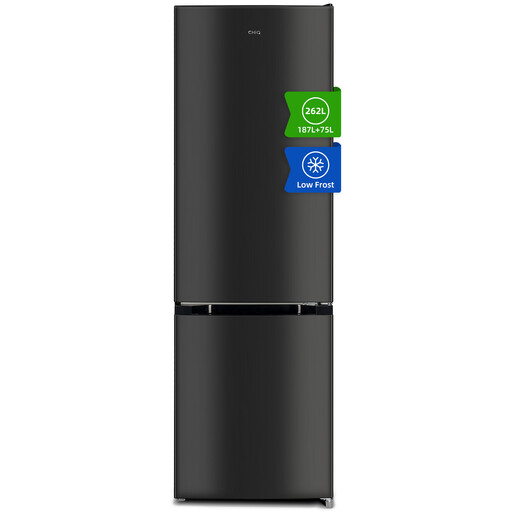
CHiQ JR263LGE fridge-freezer
The listed humidity-controlled crisper drawer makes this model worth considering if you’re looking for a separate vegetable drawer.
Capacity: 262 l. Low Frost and a four-star freezer.
The product name specifies a reversible door.
Joybuy
 No image available
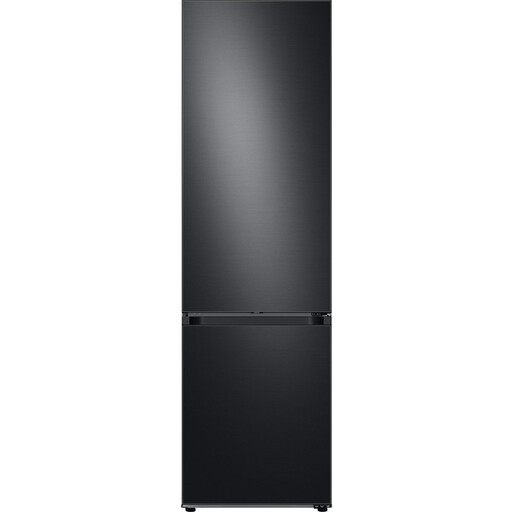
Samsung RB38C7B6AB1/EF fridge-freezer
This model may suit you if you want to compare vegetable drawers and a separate freezer compartment.
Capacity: 387 l. Listed energy rating: A.
The product name specifies No Frost and Twin Cooling Plus.
Joybuy
 No image available
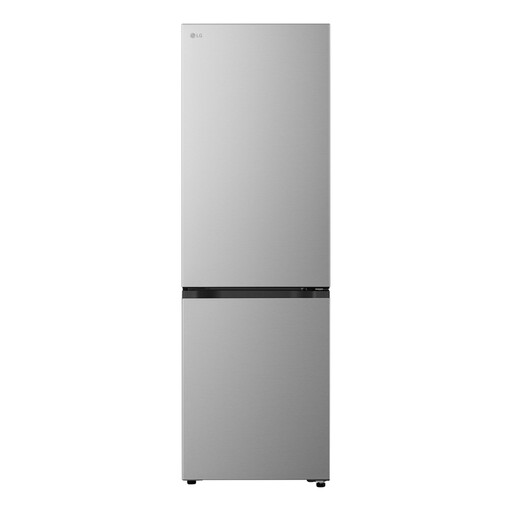
LG GBBS514CPY fridge-freezer
The listed vegetable drawers make this model worth considering if you want to store vegetables separately.
Capacity: 375 l. Listed energy rating: C.
The product name specifies Total No Frost.
Joybuy
 No image available
CHiQ JR205LSE fridge-freezer
The listed humidity-controlled freshness compartment makes this model worth considering if you want to store vegetables separately.
Total capacity: 205 l; fridge compartment: 153 l; freezer compartment: 52 l.
Width: 54 cm. Low Frost, reversible door and listed energy rating E.
Joybuy
Frequently asked questions
What temperature should you set for leafy greens that need to be kept chilled?
The Netherlands Nutrition Centre advises setting your fridge to 4 °C. Check the temperature with a fridge thermometer; the Centre recommends checking it in the middle of the bottom shelf after half a day or overnight.
Is it better to freeze leafy greens straight after your class?
Not as a general rule: according to the Netherlands Nutrition Centre, a raw head of lettuce isn’t suitable for freezing. Keep pre-cut leafy greens well sealed in the fridge, preferably in their original packaging, and follow the advice for the specific vegetable.
Does a fridge-freezer advertised online in the Netherlands have to display an energy label?
EU energy labelling rules apply to the household fridge category in question. The European Commission says the label shows details including the energy rating, annual consumption, capacity and noise level; according to the EU information portal, the label must also be clearly visible online where the product is sold.
What happens to your old fridge, and who should you contact if your new one is faulty?
If you’re buying a similar new appliance as a private consumer, the shop must take your old appliance free of charge under the Dutch take-back scheme, including for online purchases; arrange collection with the seller. If your new product is faulty, contact the seller about your statutory guarantee. The Dutch Government states that there is no fixed statutory guarantee period in the Netherlands.


