
Getting home with opened hummus
You want to put your hummus away quickly after class, and are mainly concerned about storage time and temperature. The Netherlands Nutrition Centre recommends setting your fridge to 4 °C.


The Netherlands Nutrition Centre recommends setting your fridge to 4 °C. So choose a fridge-freezer that fits your available space and lets you check the actual temperature with a thermometer. A compact model suits smaller households, while regular freezing or larger shops call for enough fridge and freezer space. If your current fridge reliably stays at 4 °C and has room for a sealed container, you don’t need to buy a new appliance just for hummus.
You want to put your hummus away quickly after class, and are mainly concerned about storage time and temperature. The Netherlands Nutrition Centre recommends setting your fridge to 4 °C.
You have room for a compact appliance and need to weigh up the separate fridge and freezer capacities against its external dimensions.
Alongside everyday refrigeration, you need enough usable freezer space and want to factor in defrosting.
The Netherlands Nutrition Centre recommends a fridge temperature of 4 °C and advises against leaving perishable food out of the fridge for more than two hours. New domestic refrigeration appliances placed on the market in the Netherlands must meet the applicable EU requirements; the European Commission uses an A to G scale on the energy label.
| Buying concern | What to look for | Most important for |
|---|---|---|
| Reliable cooling | Set the temperature to 4 °C and check it at home with a fridge thermometer. Also consider how long the container stays out of the fridge. | When I get home after class, I want to put the sealed container away quickly and know the temperature is actually right. Around 36% of consumers put reliable cooling first after class. |
| Suitable dimensions and layout | Measure the appliance and access routes; compare fridge and freezer capacity separately, and check whether the shelves and drawers suit your containers. | With limited kitchen space, I want to know whether the appliance will fit and provide enough usable room for my shopping. Around 29% of consumers say suitable dimensions and layout are their main buying concern. |
| Energy consumption | Compare the annual consumption in kWh on the labels for the exact models, and calculate the cost using your own electricity tariff. | As a fridge runs all the time, I want to weigh up its energy use against the capacity I need. Around 21% of consumers put energy consumption at the top of their list. |
| Freezer space and defrosting | Check the freezer capacity and defrosting technology of the exact model; see whether the freezer compartment can reach the required storage temperature. | If I regularly freeze portions, I want enough freezer space without more defrosting hassle than necessary. Around 14% of consumers say freezer capacity and defrosting are their main buying concern. |
The temperature can vary from one part of the fridge to another. Simply checking the setting doesn’t confirm that your container is being stored at 4 °C.
After installation, check the temperature with a fridge thermometer and adjust it if necessary. Also keep track of how long perishable food is left out of the fridge.
Checking the temperature after installation and adjusting it if necessary means carrying out an extra check.
The stated fridge and freezer capacities don’t automatically show how much space you can use in practice with the shelves and drawers in place. According to the Consumers’ Association, capacity is measured without drawers, shelves and racks.
Compare the fridge and freezer compartments separately, and check the layout against your own containers and shopping.
Inventum says the KV1500B needs defrosting periodically; according to the manufacturer, the KV1808B has No Frost.
Check the technology used in the exact model, and choose extra freezer convenience only if you’ll actually use the freezer compartment.
With a Low Frost model, you’ll need to set aside time for periodic defrosting.
Paid additional cover is not the same as your statutory rights.
Check what any installation or removal service includes, and read the terms and conditions of paid extended cover.
The KV1500B and KV1808B have different fridge-to-freezer capacity ratios, making them worth comparing if you’re weighing compact external dimensions against capacity.
The freestanding KGN36VICT is worth comparing if you’re looking for more fridge space, a separate freezer compartment and No Frost.
The B3RCNO256S is a freestanding No Frost model to consider if a width of around 54 cm is important.
The freestanding RB38C607AS9/EF is a spacious model to weigh up against more compact combinations.
The CBNsda 575i is a larger fridge-freezer to compare if you also need more storage space for other foods.
These Joybuy picks range from compact fridge-freezers for smaller households to larger models with extra fridge and freezer space.
 No image available
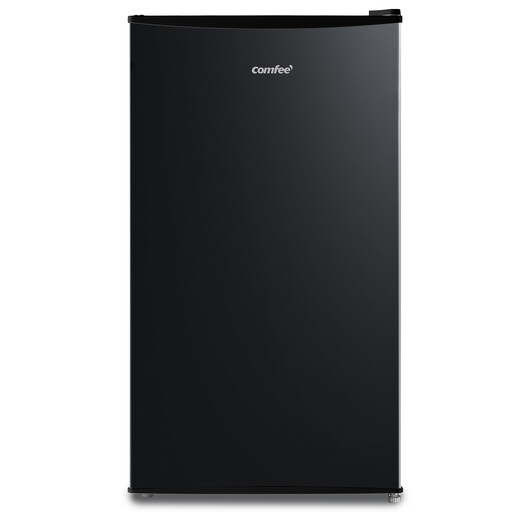
A compact option if you don’t keep much chilled food but still want a separate freezer compartment.
68 l of fridge space and a 12 l freezer compartment with a 4-star rating; the product name states a temperature range of −18 °C to −8 °C, a height of 84,5 cm, a reversible door and energy class E.
 No image available
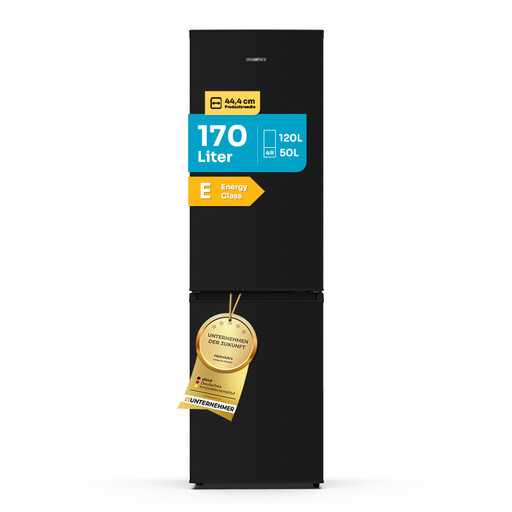
An option to compare if you need a separate freezer compartment as well as everyday fridge space.
120 l of fridge space and 50 l of freezer space; the product name states 40 dB and energy class E.
 No image available
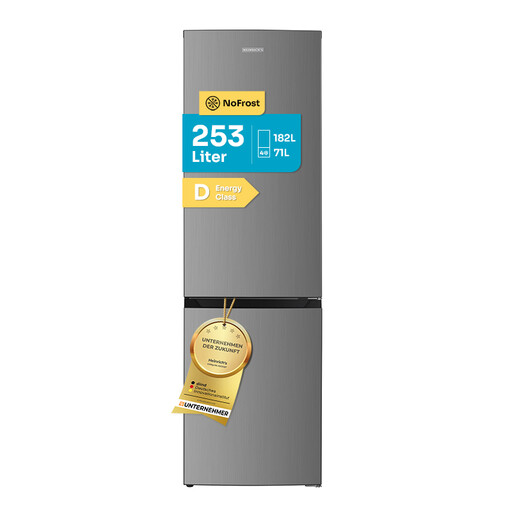
A roomier combination to consider if you want more fridge and freezer space than a compact model offers.
182 l of fridge space and 71 l of freezer space; the product name states No Frost, 39 dB and a stainless-steel finish.
 No image available
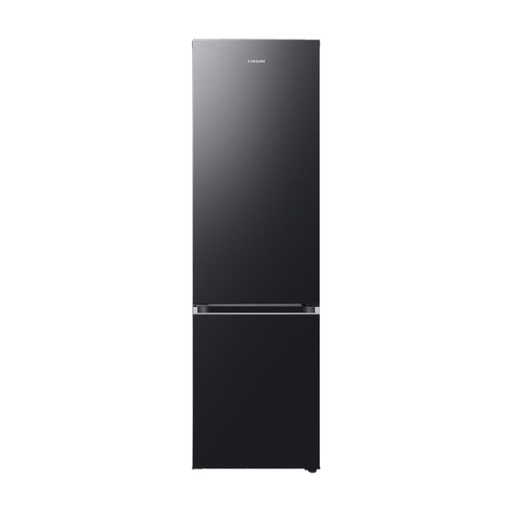
A model to compare if its stated annual energy consumption and the available height are important to your choice.
The product name states energy class A, 108 kWh per year and a height of 2030 mm.
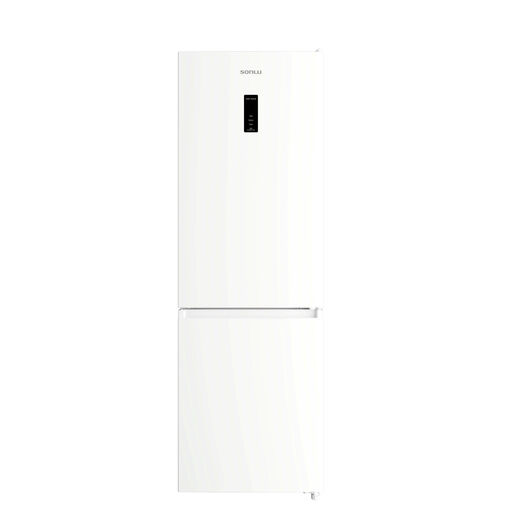 No image available
A roomier option to compare if you need extra freezer space as well as room for chilled food.
211 l of fridge space and 99 l of freezer space; the product name states a width of 60 cm, a reversible door, electronic temperature control and energy class E.
The Netherlands Nutrition Centre says homemade plain hummus keeps for 1–3 days in the fridge, while ready-made plain hummus keeps for 5–10 days. The recommended storage time therefore depends on which type of hummus you have.
Put perishable food back in the fridge as soon as possible. The Netherlands Nutrition Centre advises against leaving highly perishable food out of the fridge for more than two hours; buying a new fridge won’t undo the time it has already spent out of the cold.
Set the fridge to 4 °C and check the temperature with a fridge thermometer. Also follow the instructions for positioning and setting up your chosen model.
Compare the annual consumption in kWh on the EU label for the exact models, then multiply it by your own electricity tariff in €/kWh to estimate the annual cost. Also check that the capacity suits what you actually store.
Check the current EU energy label for the exact model. New domestic refrigeration appliances placed on the market in the Netherlands must meet the applicable EU requirements; the European Commission uses an A to G scale.