First, measure the available floor space, including room to open the door, then compare the freezer capacity with the amount of berries you have. For a large harvest, the stated freezing capacity per 24 hours also matters. Energy use and the choice between static freezing and No Frost can help you decide what works best day to day. The Netherlands Nutrition Centre recommends keeping your freezer at -18 °C or colder and freezing small portions at a time.
Who is this choice relevant to?
Grower with a small kitchen
Wants to freeze home-grown berries without giving up worktop space for an extra appliance. The appliance’s external dimensions and access to it are the first things to consider. Manufacturers such as Inventum and Beko publish dimensions for each model.
Grower with a large harvest
Needs plenty of freezer space and wants to find out how many fresh berries the appliance can freeze in 24 hours. Compare the freezer capacity and stated freezing capacity for the exact model.
Energy-conscious buyer replacing an appliance
Is replacing a refrigeration appliance and wants to weigh up the freezer space they need against annual energy use and maintenance. Milieu Centraal recommends checking the annual consumption in kWh on the energy label.
What should you look for when choosing?
| What to consider |
What should you check? |
Who is this important for? |
| Space and installation |
Measure the width, height and depth, and check the installation instructions and door clearance for the exact model. |
If my kitchen has little free floor space, I want to know in advance whether the appliance will fit and remain easy to access. Around 40% of consumers put installation space first. |
| Space for your harvest |
Compare the freezer capacity in litres with your supplies. For a large harvest, also check the freezing capacity in kg/24 hours. |
If you harvest lots of berries at once, you’ll want enough room to store them and to know whether you need to freeze them in batches. Around 30% of consumers put harvest capacity first. |
| Energy use |
For models with suitable dimensions and freezer capacity, compare the energy labels and stated consumption in kWh per year. |
If I’m replacing an appliance, I want to factor in its annual energy use alongside the amount of freezer space I need. Around 20% of consumers make energy use their top priority. |
| Maintenance |
Check whether the exact model has No Frost or a static freezer compartment, and consult the user manual. |
If you’d rather not have to plan for manual defrosting, pay particular attention to the freezer compartment’s cooling system. Around 10% of consumers prioritise ease of maintenance. |
Common pitfalls
-
Comparing only the total capacity
Total capacity includes both the fridge and freezer compartments. For berries, it’s the freezer capacity on its own that matters.
Check the freezer capacity in litres and compare it with your berries and other frozen food.
-
Freezing a whole harvest at once
Freezer capacity and freezing capacity per 24 hours tell you different things: how much food will fit inside and how much fresh food the model can freeze in a day. The Netherlands Nutrition Centre recommends not freezing too much at once.
Check the stated freezing capacity for the exact model and, if necessary, freeze a large harvest in several batches.
-
Measuring only the width
Even if the external width fits, the depth and height might not, or the door may not have enough room to open.
Measure the entire space and check the dimensions against the model’s installation instructions.
-
Comparing an old A++ label directly with a current letter grade
Since 2021, the European Union has used an energy scale for fridges without plus ratings.
Compare current energy labels and, where possible, check the consumption in kWh per year and the freezer capacity too.
Relevant brands
Inventum
Inventum lists a width of 54.5 cm and a 71-litre freezer compartment for the freestanding KV1800W.
- The official model sheet gives the KV1800W a freezing capacity of 3.5 kg/24 hours and a four-star freezer compartment.
- The freezer capacity and freezing capacity apply to this model; compare the figures with the amount of berries you want to store.
Beko
Beko lists a width of 54 cm for both the RCHE300K40SN and B3RCSO255S.
- Beko specifies No Frost for the RCHE300K40SN and a static cooling system for the B3RCSO255S.
- This information doesn’t tell you which model can handle the larger berry harvest. To find out, check the freezer capacity and freezing capacity for your chosen model.
Bosch
Bosch lists a width of 60 cm and a freezer volume of 103 litres for the freestanding KGN36VICT.
- For this model, Bosch lists No Frost, energy class C and a noise level of 35 dB(A).
- It’s wider than the Inventum and Beko models mentioned; these figures apply only to the KGN36VICT.
Liebherr
Liebherr lists a width of 59.7 cm, a total volume of 371 litres and No Frost for the CNsfc 574i.
- According to Liebherr, No Frost helps you avoid manual defrosting.
- The stated total volume isn’t the same as the freezer capacity. Check that figure separately before choosing this model for a berry harvest.
Fridge freezers at Joybuy
These fridge freezers are for anyone looking to freeze home-grown berries while weighing up the available space and the freezer capacity they need.
 No image available
TCL RF338BSE0 fridge freezer, 260 l, 73 l freezer capacity
The stated capacity and dimensions can help you decide whether this model suits your available space and berry supplies.
Total: 260 l; fridge compartment: 187 l; freezer compartment: 73 l.
Compact 55 cm size; reversible door; energy class E.
The product information states that manual defrosting is required.
View product
 No image available
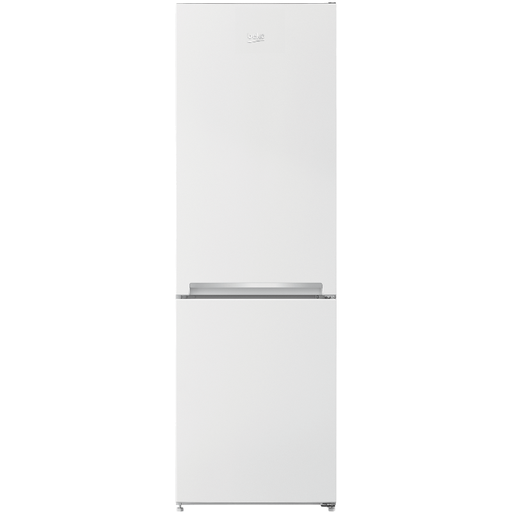
Beko RCHA270K40WN fridge freezer, 251 l, No Frost
This freestanding model could suit anyone looking for a fridge freezer with No Frost.
Total capacity: 251 l; No Frost; energy class E.
White finish.
View product
 No image available
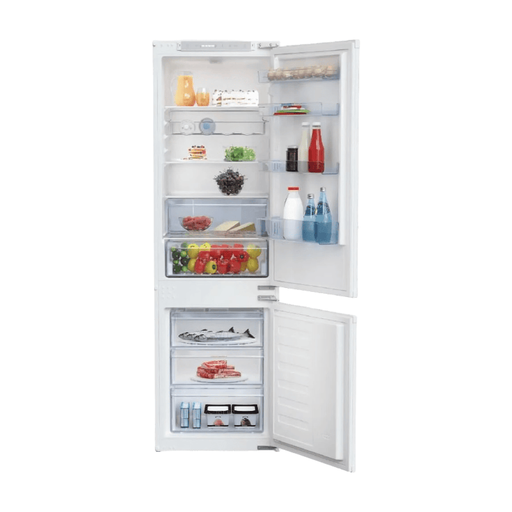
Beko BCSA283E4SN fridge freezer, 283 l, No Frost
The stated total capacity and No Frost feature help you make an initial comparison of storage space and maintenance preferences.
Total capacity: 283 l; No Frost.
Silver finish.
View product
 No image available
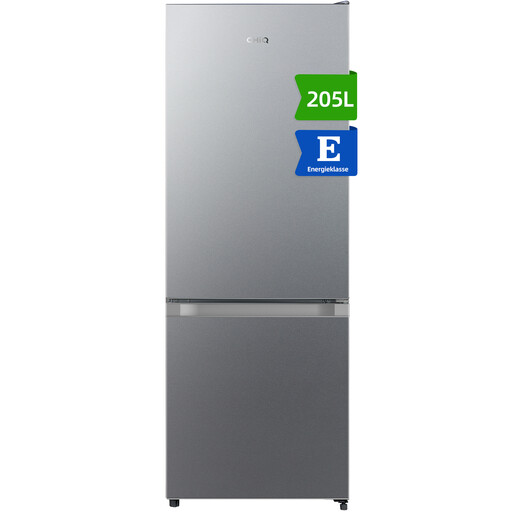
CHiQ JR205LSE fridge freezer, 205 l, 52 l freezer capacity
Compare the stated external dimensions with the space you have available; the freezer capacity shows how much room there is for your supplies.
Total: 205 l; fridge compartment: 153 l; freezer compartment: 52 l.
Low Frost; reversible door; energy class E.
The product information states that manual defrosting is required.
View product
 No image available
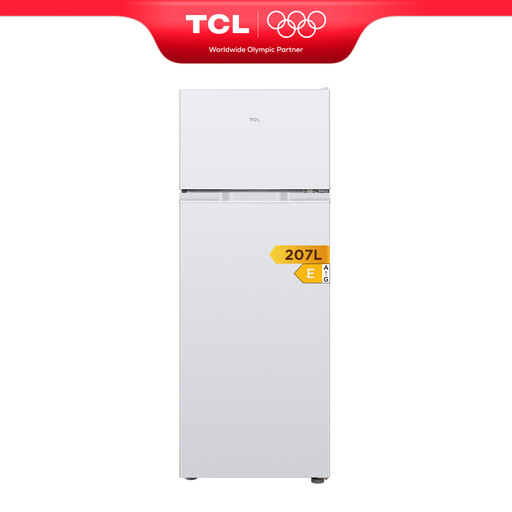
TCL RF207TWE1 fridge freezer, 207 l, 40 l freezer capacity
This compact model could suit anyone looking for a fridge freezer with a separately stated freezer capacity.
Total: 207 l; fridge compartment: 167 l; freezer compartment: 40 l.
Power Cool & Freeze; adjustable shelves and feet; energy class E.
View product
Frequently asked questions
How do I freeze home-grown berries?
Wash the berries and pat them dry. The Netherlands Nutrition Centre recommends spreading them in a thin layer on a tray or putting them in an airtight container or freezer bag so they’re less likely to freeze together. Set your freezer to -18 °C or colder and don’t freeze too much at once.
Is plenty of freezer space enough for a large harvest?
Not always: litres tell you how much you can store, while kg/24 hours is the stated freezing capacity. Check both figures for the exact model and, if necessary, divide a large harvest into smaller portions, as recommended by the Netherlands Nutrition Centre.
What should you look for in energy use?
For models that suit your needs in terms of size and capacity, compare the stated consumption in kWh per year. Milieu Centraal points out that this is shown on the energy label; you’ll also need your own electricity tariff to work out the cost.
How do I compare an old A++ label with a current energy label?
Don’t compare the plus rating directly with the current letter grade. The European Union changed the scale for fridges in 2021; compare current labels and check the stated consumption in kWh per year too.
Does a new fridge freezer need an energy label?
According to the Dutch government, household appliances must have an energy label, which provides information about energy use. Use the label alongside the freezer capacity and dimensions to decide whether a model suits your needs.


