
Housemates sharing freezer space
You want to be able to find grated cheese and other food by person. Sealed, labelled containers with a date can help keep shared supplies organised, as the Voedingscentrum recommends.


First check whether the freezer compartment is suitable for freezing fresh cheese, then decide how much separate freezer space your housemates need. For suitable models, compare the dimensions, annual energy consumption, noise level and maintenance too. A larger or NoFrost fridge-freezer won’t automatically suit every shared kitchen. The Consumentenbond explains which freezer star ratings are suitable for fresh food; Kenniscentrum Duurzaam Leven and Milieu Centraal highlight the importance of capacity and energy consumption when choosing.
You want to be able to find grated cheese and other food by person. Sealed, labelled containers with a date can help keep shared supplies organised, as the Voedingscentrum recommends.
You need to fit the appliance through the doorway and into a limited space, without overlooking the option of freezing fresh cheese. Compare the width of each model and measure the space available.
You want to weigh energy consumption and noise against capacity and maintenance. The energy label includes information such as capacity and noise level; Milieu Centraal recommends choosing a capacity that suits your needs.
Start by checking whether it’s suitable for freezing fresh food. Then compare the freezer space and layout with the space available and the running costs.
| What to consider | What to look for | Who it matters most to |
|---|---|---|
| Freezing fresh cheese | Check whether the freezer compartment has a four-star rating or whether the model’s specifications say it can freeze fresh food. The Consumentenbond distinguishes between freezer compartments for storing frozen food and those suitable for freezing fresh food. | If I want to freeze fresh grated cheese, the freezer compartment needs to be able to do the job. For around 33% of consumers, suitability for freezing fresh food comes first. |
| Organising shared supplies | Compare the fridge and freezer capacities separately, and check the drawers or shelves. The Voedingscentrum recommends labelling food containers with their contents and the date. | I want to see whose cheese it is and where it’s stored, without the freezer becoming overcrowded. Around 27% of consumers prioritise well-organised shared storage. |
| Space and noise | Measure the available space, doorway and delivery route; compare the models’ external dimensions and stated noise levels. The energy label includes information about noise. | If the kitchen is small or next to a living area, I want to know in advance whether the appliance will fit and what noise level is stated. This is the biggest consideration for around 20% of consumers. |
| Energy consumption and maintenance | Compare annual consumption in kWh and check whether NoFrost is specified for the particular model. Milieu Centraal points out that a fridge that’s too large can use energy unnecessarily. | I want to factor in ongoing energy use and defrosting when sharing the costs and maintenance. Around 20% of consumers put these running costs first. |
A freezer compartment intended mainly for food that’s already frozen won’t necessarily meet your needs if you want to freeze fresh cheese. The Consumentenbond says that compartments with one to three stars are primarily intended for storage.
Before buying, check whether the model has a four-star freezer compartment or whether its specifications say it can freeze fresh food.
Total capacity doesn’t tell you how much freezer space is available for everyone in the household. An appliance that doesn’t suit the amount of food you need to store can make sharing the space impractical.
Compare the fridge and freezer capacities separately, and check the annual consumption in kWh for models that fit your kitchen.
NoFrost can remove the need to defrost by hand, but the drawers and interior still need cleaning.
Agree on who will clean and label the shared supplies. The Voedingscentrum recommends noting what’s inside food containers and when it was frozen.
Offers compact freestanding fridge-freezers, including models with a top-mounted freezer compartment, for kitchens where width is a key consideration.
Offers the freestanding CNd 5203 Pure NoFrost, among other models, for anyone considering a larger appliance with less manual defrosting.
Offers the 54 cm-wide RDSA240K40WN, among other models, with a static top-mounted freezer compartment for those who prioritise width.
Offers the RB34C605CB1/EF, among other models, with NoFrost and a larger total capacity for households looking for more shared storage.
Offers freestanding and built-in fridge-freezers for those still deciding how to position their appliance.
These fridge-freezers are worth considering for shared storage and freezing fresh food. Check whether the freezer compartment in each model is suitable for this.
 Image unavailable
Could suit you if you’re looking for a 55 cm-wide fridge-freezer with separate fridge and freezer space for shared supplies.
The product name lists 187 l of fridge space, 73 l of freezer space and energy class E. This model needs to be defrosted manually.
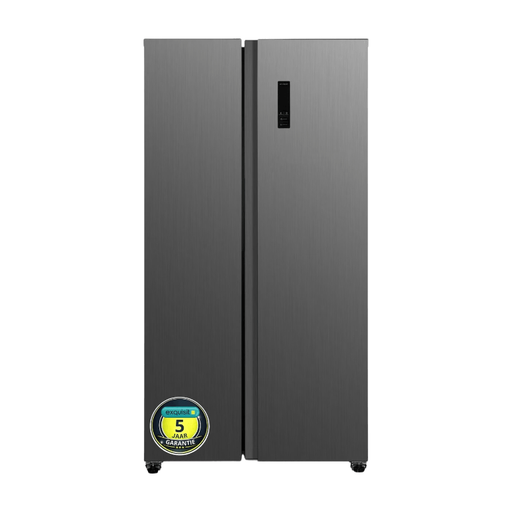 Image unavailable
Could be a good option if your housemates need plenty of freezer space and separate compartments. Check first that you have enough room in your kitchen.
This model is listed with 151 l of freezer space and six compartments. Its width is stated as 91 cm. Check the product information to see whether it’s suitable for freezing fresh food.
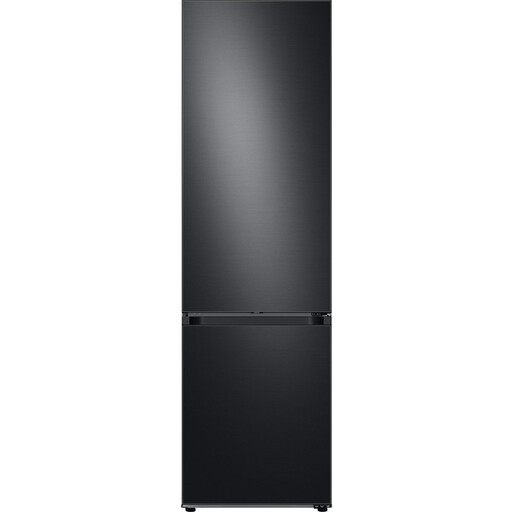 Image unavailable
Could suit a household sharing food if the available space accommodates the model’s dimensions and freezer capacity.
The product name lists 387 l, No Frost, Twin Cooling Plus and energy class A. This model is stated to have a freezing capacity of 8 kg/24 hours; check this against the amount of fresh food you want to freeze at once.
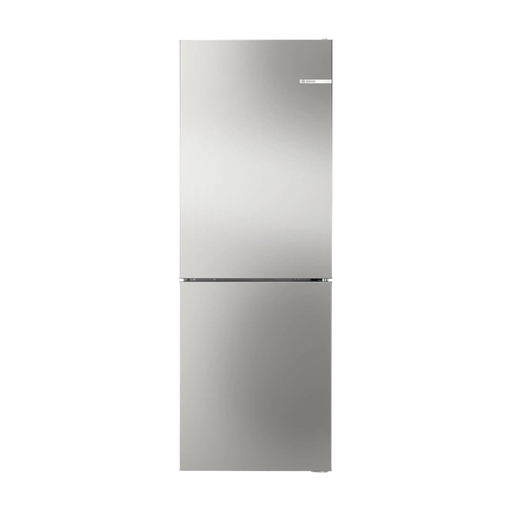 Image unavailable
The stated four-star rating makes this model worth considering for freezing fresh food; check the model-specific information before buying.
The product name lists NoFrost and a total capacity of 308 l. Check the separate freezer capacity and dimensions to make sure it suits your shared kitchen.
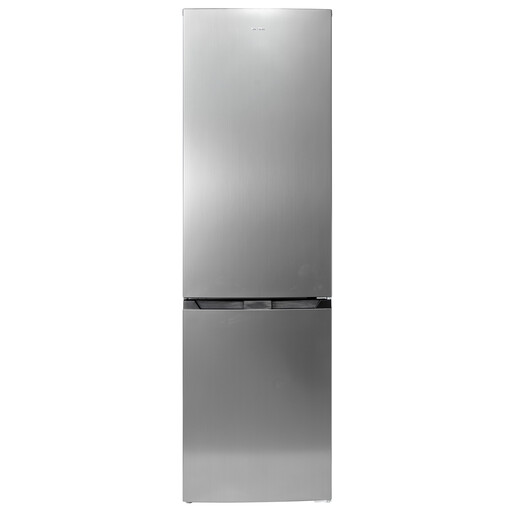 Image unavailable
The product name lists a reversible door, which may be useful if the door’s opening direction affects where you can place the appliance in your kitchen.
The name lists a capacity of 253 l and Frost Free. These features alone don’t confirm that the freezer compartment is suitable for freezing fresh cheese; check the star rating or model-specific freezing information.
The Voedingscentrum recommends keeping it for three days in the fridge and two to four months in the freezer; after that, its quality may deteriorate. For an unopened pack, follow the storage advice on the packaging.
Keep opened cheese in a sealed container and label it with the contents and date. Giving each housemate a dedicated space can help everyone identify what’s in the shared freezer.
The Consumentenbond recommends 4 °C for the fridge and −18 °C for the freezer. The temperature shown on the display doesn’t, by itself, tell you what temperature the appliance is actually reaching.
Yes. According to the Consumentenbond, NoFrost can remove the need to defrost manually, but the interior and drawers still need to be cleaned.
EU energy labelling rules apply to household fridges and freezers. When a product covered by these rules is sold, its label must also be clearly displayed online. In the Netherlands, a manufacturer’s guarantee is in addition to your statutory rights. If a product is faulty, the seller is your point of contact, as the Rijksoverheid explains; there isn’t a fixed statutory warranty period of exactly two years for every product.