
Weekend host serving grapes
You want to keep grapes fresh until lunch and check whether your current fridge is up to the job. The Netherlands Nutrition Centre says they keep for 1–2 weeks in the fridge and 3–4 days in a fruit bowl.


Don’t buy a fridge-freezer just for grapes for a weekend lunch: according to the Netherlands Nutrition Centre, grapes keep for 1–2 weeks in the fridge and 3–4 days in a fruit bowl, so when you buy them matters. If you also need extra fridge and freezer space on a regular basis, compare the size, layout and annual energy use first. A fruit drawer doesn’t guarantee that grapes will stay fresh for longer until lunch.
You want to keep grapes fresh until lunch and check whether your current fridge is up to the job. The Netherlands Nutrition Centre says they keep for 1–2 weeks in the fridge and 3–4 days in a fruit bowl.
You need fridge and freezer space, but the appliance also has to fit in your kitchen. Milieu Centraal recommends thinking about the size you need in advance.
You use your appliance every day and want to compare its annual energy use in kWh with its fridge and freezer capacity. The European Commission uses the A–G scale for the EU energy label.
A good fit if: your fridge has enough space and you only need to keep grapes for lunch.
The trade-off: according to the Netherlands Nutrition Centre, a fruit bowl keeps grapes fresh for less time; this option doesn’t give you any extra freezer space.
A good fit if: you regularly store fresh and frozen food as well as grapes, and need a new appliance.
The trade-off: compare the separate capacities, dimensions and annual energy use. Extra capacity isn’t necessarily useful for a single lunch.
A good fit if: you also store other fresh produce and the layout of the specific drawer suits your needs.
The trade-off: manufacturers describe these drawers as having humidity-control features, but that doesn’t prove grapes will stay fresh for longer until lunch.
| What to consider | What to check when buying | Who this matters to |
|---|---|---|
| Keeping grapes fresh | First check whether there’s room in your current fridge, and keep the grapes dry. | I want to know whether my current fridge can keep the bunch fresh until lunch, without buying a new appliance for a one-off occasion. Around 36% of consumers put keeping grapes fresh first. |
| Size and fridge layout | Measure the available space and compare the external dimensions and separate capacities of both compartments. | I want an appliance that fits in my kitchen and has enough space for my regular shopping. Around 29% of consumers give top priority to a suitable size and layout. |
| Annual energy use | Compare the current A–G label and annual energy use in kWh for models with a suitable capacity. | I pay attention to the energy use of an appliance that’s switched on every day, but I also want enough fridge and freezer space. Around 21% of consumers put annual energy use first. |
| Freezer space and maintenance | Compare freezer capacity and check whether the exact model has NoFrost if you want to defrost it less often. | I store frozen food as well as fresh groceries and want to know how much space is available. Around 14% of consumers put freezer space or freezer maintenance first. |
Your existing fridge may already have enough space to keep grapes fresh until lunch; you don’t need the freezer compartment for that.
First decide when you’ll buy the grapes and whether there’s room in your current fridge. Only choose a new fridge-freezer if you also need it for your everyday fridge and freezer requirements.
An extra appliance takes up space and uses electricity all the time.
Manufacturers describe humidity-control features, but that doesn’t prove grapes will stay fresh for longer until lunch. The Netherlands Nutrition Centre advises keeping grapes dry.
Check what the drawer is designed for and follow the storage advice for grapes; don’t assume how long they’ll keep based on the drawer’s name.
The energy label shows annual energy use and compartment capacity; an appliance that’s too large may use more electricity than necessary.
Compare specific models by their current A–G label, kWh per year, separate fridge and freezer capacities, and external dimensions.
The Bosch KGN36VICT is a freestanding fridge-freezer with separately stated fridge and freezer capacities, VitaFresh and Total NoFrost.
The LG GBBS726AEV is an example of a fridge-freezer with a fruit drawer and a larger total capacity.
The CBNsda 575i has separate BioFresh drawers and NoFrost.
The Beko B5RCNE365HG is a freestanding fridge-freezer with NoFrost.
This selection includes fridge-freezers and under-counter models for anyone weighing up their everyday fridge and freezer needs as well as storage for grapes.
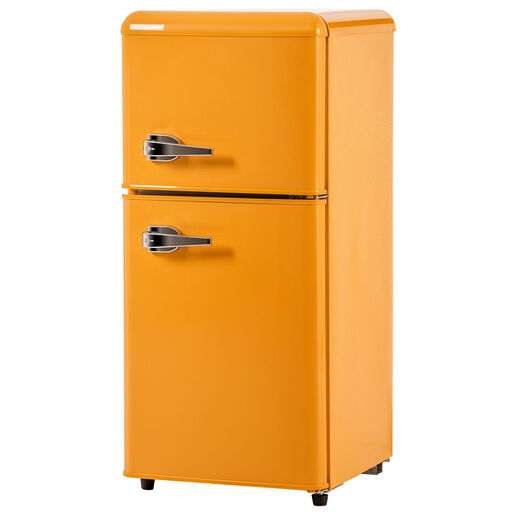 No image available
This model may suit you if you need only limited fridge and freezer space as well as somewhere to keep grapes for lunch.
Total capacity: 60 l; freezer capacity: 22 l; energy class E; annual energy use: 102 kWh. The product name describes a two-door design.
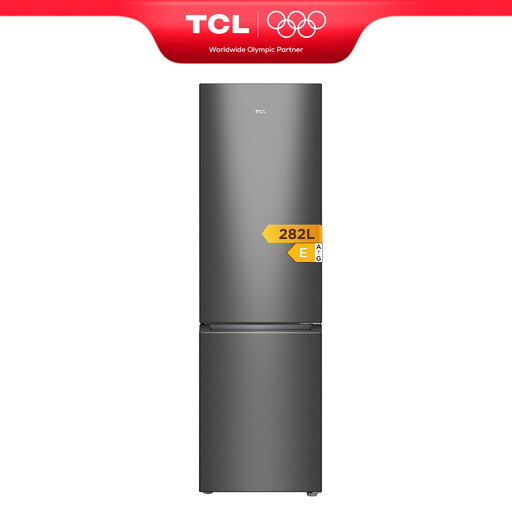 No image available
The stated fridge and freezer capacities can help you decide whether this model suits your regular shopping.
Fridge capacity: 202 l; freezer capacity: 80 l; width: 55 cm; energy class E. The product name mentions a reversible door and electronic controls.
 No image available
An under-counter model may be worth considering if you’re looking for a smaller appliance with both fridge and freezer space.
Total capacity: 109 l; separate freezer compartment: 14 l; energy class C; colour: white.
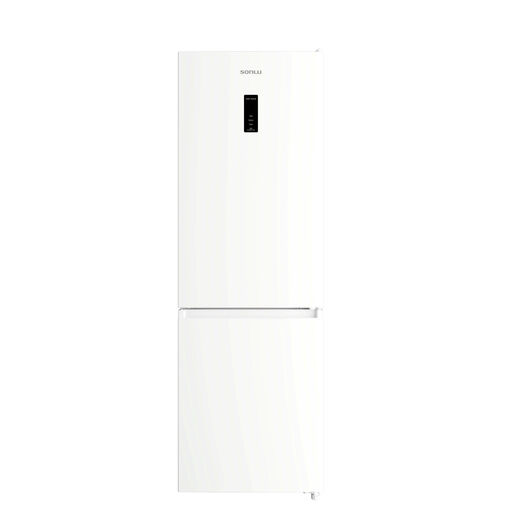 No image available
The separate compartment capacities matter if you store frozen food as well as fresh groceries.
Total capacity: 310 l; fridge capacity: 211 l; freezer capacity: 99 l; width: 60 cm; energy class E. The product name mentions a reversible door and electronic temperature control.
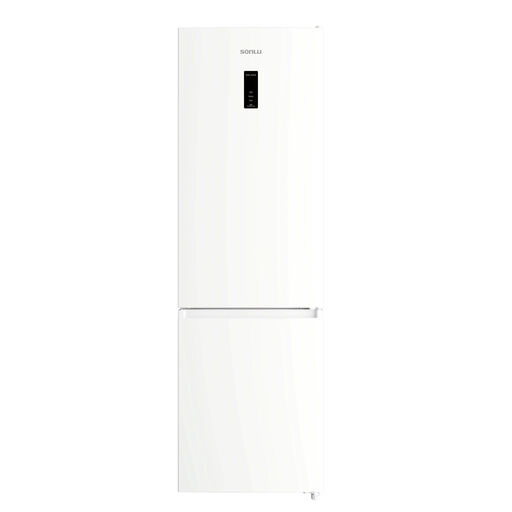 No image available
This model may suit you if you regularly store other fresh groceries and frozen food as well as grapes.
Total capacity: 355 l; fridge capacity: 252 l; freezer capacity: 103 l; width: 60 cm; energy class E. The product name mentions a reversible door and electronic temperature control.
No, not if you want to serve them fresh. According to the Netherlands Nutrition Centre, grapes keep for 1–2 weeks in the fridge, compared with 3–4 days in a fruit bowl; freezing is a different way of storing them.
The Netherlands Nutrition Centre recommends keeping them on the stem and making sure they don’t get damp. You can use a paper bag, their packaging or a plate; check them for shrivelling or mould before serving. For other chilled foods, the recommended fridge temperature is 4 °C.
The EU energy label uses the A–G scale and shows, among other things, annual energy use in kWh and the capacity of the fridge and freezer compartments. Compare models with a capacity and fitting that suit you, as the European Commission advises.
If there’s a problem, the retailer must provide a solution, not the manufacturer. According to the Dutch Government, you’re entitled to a product that works properly; any additional warranty offered doesn’t replace that right.
According to the Dutch Government, private individuals can use the old-for-new scheme when buying a similar appliance, including online. The retailer must take back the old appliance free of charge; arrange how you’ll hand it over when delivery is made.