
Gardeners with a large berry harvest
You want to freeze berries on harvest days. So look at the stated freezing capacity per 24 hours and make sure the freezer compartment has a 4-star rating. Don’t focus solely on the appliance’s total capacity.


Choose a fridge freezer with a 4-star freezer compartment and compare its stated freezing capacity in kg/24 hours with the quantity of berries you want to freeze in a day. The Consumers’ Association distinguishes between a 4-star freezer, which is suitable for freezing fresh food, and freezer compartments rated from 1 to 3 stars, which are mainly intended for storing food that is already frozen. Then weigh up the freezer space against your everyday fridge space, annual energy consumption and where you plan to put the appliance.
You want to freeze berries on harvest days. So look at the stated freezing capacity per 24 hours and make sure the freezer compartment has a 4-star rating. Don’t focus solely on the appliance’s total capacity.
You want to store frozen berries alongside other food, while keeping enough fridge space for your everyday shopping and a meal with family or friends.
You’re looking for an appliance that fits the available space and remains practical for everyday use, energy consumption and maintenance after the harvest season.
For fresh berries, first check that the freezer compartment has a 4-star rating. Then compare its freezing capacity, the available freezer space and the practical implications for everyday use.
| What to consider | What should you check? | Who should pay particular attention? |
|---|---|---|
| Freezing fresh produce | Check the 4-star rating and the stated capacity in kg/24 hours. Make sure it can handle the quantity you harvest in a day. | If I pick lots of berries in one day, I want to know whether the appliance can freeze that quantity while it’s fresh. Around 29% of consumers prioritise freezing capacity. |
| Storage space | Check the freezer and fridge capacities separately, and make sure the drawer layout suits your portions. | I want to store berries alongside my usual frozen food and still have enough fridge space. Around 24% of consumers prioritise storage space. |
| Energy consumption | Compare the stated annual consumption in kWh and choose a size that suits your needs outside the harvest season too. | The appliance will stay on every day after the harvest, so I compare the energy label figure with my usage. Around 18% of consumers prioritise ongoing energy consumption. |
| Fit and placement | Measure the height, width and depth, and follow the installation instructions. If you’re putting the appliance in a shed or garage, also check the permitted ambient temperature range. | I want to be sure the appliance will fit where I plan to put it and can operate there. Around 17% of consumers prioritise placement. |
| Defrosting and ease of use | Check whether No Frost applies to the freezer compartment, and compare freezer capacity, annual energy consumption and noise level for each model. | I want to defrost manually as little as possible, but I weigh that against space, energy and noise. Around 12% of consumers prioritise ease of maintenance. |
According to the Consumers’ Association, No Frost prevents ice building up in the freezer compartment, but it can also take up space and use more energy or produce more noise. So weigh up the pros and cons using the specifications for the particular model.
Total capacity includes both the fridge and freezer compartments. Capacity in litres also doesn’t tell you how many fresh berries the appliance can freeze in 24 hours.
For the exact model, compare the 4-star rating, freezer capacity in litres and stated freezing capacity in kg/24 hours.
No Frost can save you from defrosting, but the Consumers’ Association also points out that it may mean less freezer space, higher energy consumption and more noise.
Weigh the convenience against the freezer capacity, annual energy consumption and noise level of the models you’re comparing.
A Joybuy listing for the Bosch KGN33NSDB gives a capacity of 308 litres in the title, while the model-specific EPREL product information sheet states a total capacity of 279 litres. The title and product specifications also show different model codes.
Before buying, check that the model code and product information sheet refer to the same specification. Don’t treat these conflicting details as confirmation of an exact variant.
An unheated space may fall outside the permitted ambient temperature range for a fridge freezer. This is particularly important if you plan to put the appliance in a shed or garage.
Check the minimum temperature in the space, along with the permitted range and any conditions for the exact model.
The Serie 2 KGN33NSDB is an example of a more compact model to compare if installation height is important.
The freestanding GBBS524CPY is worth comparing if you’re looking for a larger freezer compartment as well as fridge space.
The CNsdc 5203 Pure NoFrost is an example to consider if you’re looking for No Frost and a total capacity of 330 litres.
The range in the Netherlands includes models of different widths and with different freezing technologies, including slim models and versions with No Frost.
These fridge freezers vary in freezer space, features and stated capacity. For each model, check whether the freezer compartment is suitable for freezing fresh berries.
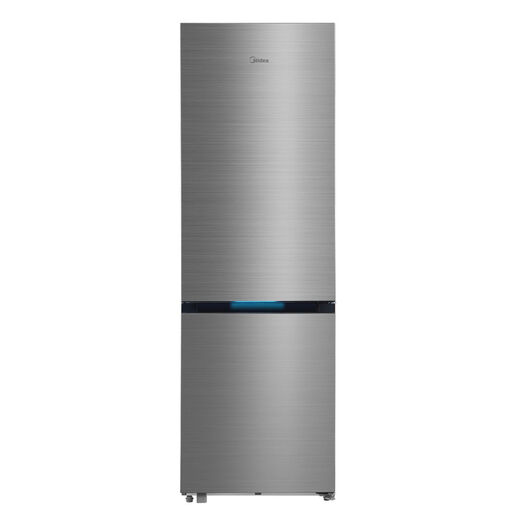 No image available
Could be a good fit if you want a combination of fridge and freezer storage. For fresh berries, first check the 4-star rating and freezing capacity of this version.
Total capacity: 442 litres; fridge space: 313 litres; freezer space: 130 litres.
No Frost; energy rating C; Wi-Fi listed.
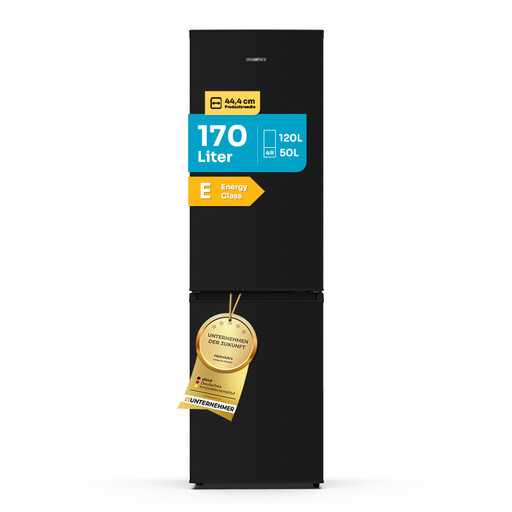 No image available
The 4-star freezer compartment makes this model worth comparing for freezing fresh berries. Also make sure the quantity you freeze in a day is within its stated freezing capacity.
Total capacity: 170 litres; fridge space: 120 litres; freezer space: 50 litres.
Three freezer drawers; energy rating E; stated noise level: 40 dB.
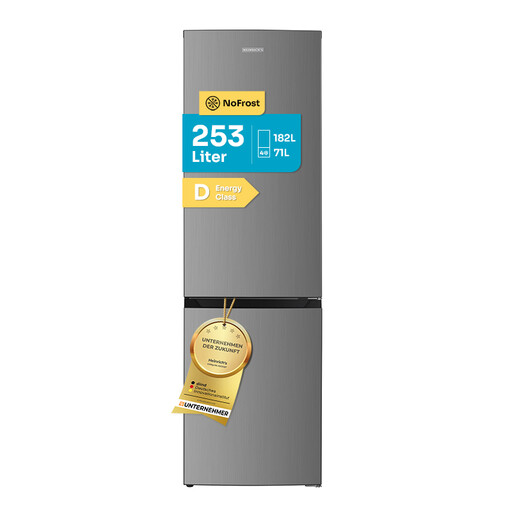 No image available
Compare this model for its capacity and features, but for fresh berries check whether this version has a 4-star freezer compartment and what freezing capacity is stated.
Total capacity: 253 litres; fridge space: 182 litres; freezer space: 71 litres.
No Frost; energy rating D; stated noise level: 39 dB.
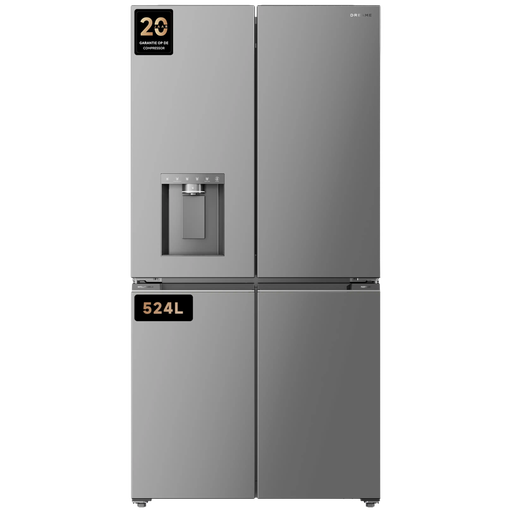 No image available
The stated 4-star rating and capacity of 12 kg/24 hours make this model worth comparing for a large day’s harvest. Remember to allow enough space for installation too.
Total capacity: 524 litres; fridge space: 308 litres; freezer space: 203 litres.
No Frost; energy rating E; stated annual consumption approximately 321 kWh; width 91,1 cm.
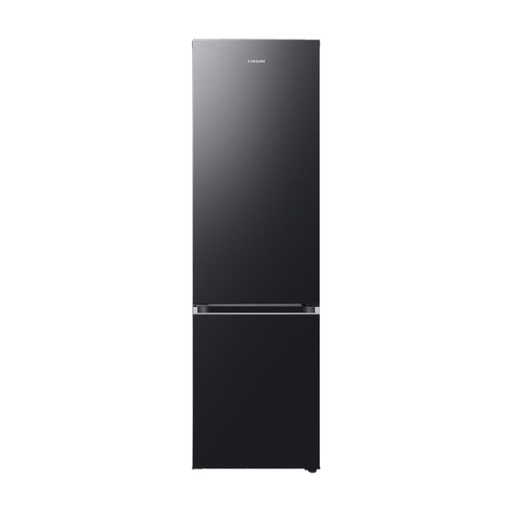 No image available
The title gives a low stated annual energy consumption, but if you plan to freeze fresh berries, also check the 4-star rating and freezing capacity of this version.
No Frost; energy rating A; stated annual consumption 108 kWh; height 2.030 mm.
No. The Consumers’ Association says you need a freezer compartment with a 4-star rating for fresh food; freezer compartments rated from 1 to 3 stars are mainly intended for storing food that is already frozen. If you’re picking a large quantity, also compare the stated freezing capacity in kg/24 hours.
The Netherlands Nutrition Centre recommends washing and patting blueberries dry, then freezing them in a single layer if you like, so they’re less likely to freeze together. For blueberries, the Netherlands Nutrition Centre recommends storing them in the freezer for 8–12 months, after which their quality may deteriorate. Don’t automatically apply this timescale to every type of berry.
The Netherlands Nutrition Centre recommends a fridge temperature of 4 °C. Check the actual temperature with a fridge thermometer and adjust the appliance if needed.
It depends on the model, your electricity tariff and how you use it. Multiply the annual consumption in kWh shown on the EU energy label by your own tariff per kWh. This calculation isn’t a guaranteed energy bill.
No. According to the Government of the Netherlands, there is no fixed statutory warranty period in the Netherlands: you can expect a product to last a reasonable amount of time. If a product is faulty, the retailer is your point of contact; a manufacturer’s warranty is separate.
For private purchases, the Dutch take-back scheme for old appliances also applies when you order a new, similar appliance online. According to the Government of the Netherlands, the retailer must take the old appliance free of charge. If it can’t be collected when your new appliance is delivered, the alternatives described for collection or free postage apply.