If you’re freezing crumble to enjoy later, it’s important to have a freezer compartment that can reach −18 °C. Check, too, that your sealed portions or baking dish will fit in the drawers. If you’re eating the crumble that evening, you don’t necessarily need to freeze it: cool any leftovers quickly and refrigerate them promptly. Choose an appliance that suits your kitchen and daily needs.
Who is this choice relevant to?
Freezing portions
You make crumble for several people and want to save some portions for later. Check the temperature settings, usable drawer layout and space for your containers. The Netherlands Nutrition Centre recommends setting your freezer to −18 °C.
Limited kitchen space
You’re looking for one appliance that both chills and freezes, but limited space and positioning options narrow down your choices. Smaller containers can help if a whole baking dish won’t fit in a drawer.
Factor in daily energy use
As well as space for your crumble, you want a fridge freezer that suits your everyday needs. Compare the stated energy consumption in kWh per year, and also consider maintenance and noise. Energielabel.nl and Milieu Centraal highlight these as factors to consider when comparing models.
What should you look for when storing fruit crumble?
First decide whether you’ll serve the crumble that evening or save portions for later. Then compare the temperature, drawer dimensions and daily energy use.
| What to consider |
What should you check? |
Who is this important for? |
| Freezing and drawer layout |
Check that the freezer can reach −18 °C, and compare the drawer dimensions with your sealed portions or baking dish. The total capacity in litres alone won’t tell you whether your container will fit. |
If I’m freezing portions for later, I want to know whether the temperature and available space are suitable. Around 36% of consumers prioritise the freezing function and usable space. |
| Making sure the appliance and containers will fit |
Measure the available space, the clearance needed to open the doors and the internal dimensions of the drawers. Also check the installation requirements for your chosen model. |
If my kitchen is short on space, I want to know whether the appliance will fit where I plan to put it and whether my portions will fit in the freezer. Around 29% of consumers give kitchen and drawer fit top priority. |
| Energy use |
Compare the kWh per year and the separate fridge and freezer capacities on the energy labels of the models you’re considering. |
If I use the appliance every day, I want to factor in its stated annual energy consumption as well as the space I need. Around 21% of consumers prioritise energy use. |
| Defrosting and noise |
Check whether each model has NoFrost and compare the stated noise levels in dB. |
In an open-plan kitchen, defrosting and noise may affect my choice. Around 14% of consumers give maintenance and noise top priority. |
Common buying mistakes
-
Assuming total capacity tells you whether a baking dish will fit
The stated capacity of the freezer compartment doesn’t tell you whether a baking dish will fit through the opening or inside a drawer.
Measure your dish or containers and compare their dimensions with the internal dimensions of the freezer drawers. You could also use smaller, well-sealed portions.
Smaller portions may require suitable containers with secure lids.
-
Assuming a one- or two-star freezer compartment reaches −18 °C
According to the Netherlands Nutrition Centre, freezer compartments with one or two stars can’t be set to the recommended temperature of −18 °C.
Check the adjustable temperature of the specific freezer compartment before choosing it for freezing food.
-
Buying a larger freezer without a storage plan
Whether you’re eating the crumble that evening or saving portions for later affects how much freezer space you need. A larger appliance may also use more energy.
Work out how many portions you really want to store, then compare freezer capacity and stated energy consumption in kWh per year. Milieu Centraal recommends factoring in the consumption of the specific models you’re considering.
Brands to consider
Bosch
The freestanding KGN49VXCT is one model you can use to compare freezer capacity, external dimensions and NoFrost.
- Bosch lists 311 l of fridge space, 129 l of freezer space, dimensions of 203 × 70 × 66,7 cm, a noise level of 35 dB and Total NoFrost for this model.
- These model specifications aren’t an independent performance test and don’t prove that a particular baking dish will fit in the drawers.
Siemens
The KG36NVWCG is an example of a 60 cm-wide freestanding model with the freezer compartment at the bottom.
- Siemens lists 103 l of freezer space, 218 l of fridge space, energy rating C and a noise level of 35 dB for this model.
- The stated capacity and external dimensions won’t tell you whether your container will fit in a freezer drawer. Check the internal dimensions of the model you choose.
LG
The GBBSJ1CCEP is a 333 l fridge freezer to compare if installation space and features are important to your choice.
- LG states that this model needs at least 4 mm of clearance at the sides so the doors can open properly.
- LG’s claims about faster cooling or keeping food fresher for longer are manufacturer claims and don’t prove a benefit for fruit crumble.
Beko
The freestanding RCHE300K40SN is an example of a 54 cm-wide fridge freezer with the freezer compartment at the bottom.
- The manufacturer confirms the model type and its width of 54 cm.
- Check the drawer layout, available space and annual energy consumption figures for the model you choose.
Liebherr
The range includes freestanding and built-in fridge freezers, including models with NoFrost.
- Liebherr describes DuoCooling and NoFrost as its own product technologies.
- Check the specification sheet for your specific model to confirm which features it has. They aren’t automatically included in every model, and don’t tell you whether your container will fit.
Fridge freezers at Joybuy
This selection includes fridge freezers with different freezer layouts and features. Check the temperature setting for each model and make sure your portions will fit in the drawers.
 No image available
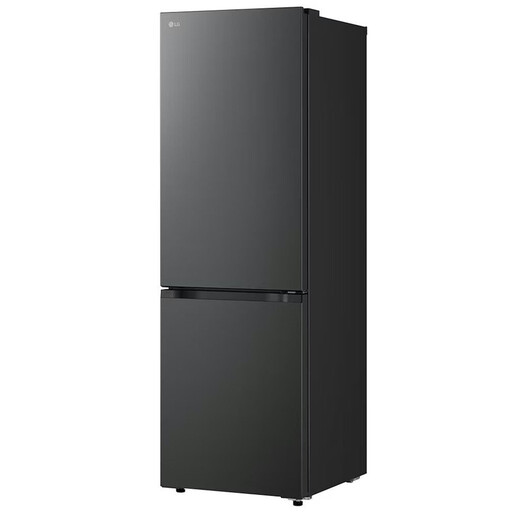
LG GBBSJ1CCEP fridge freezer
A model to compare if you want to freeze portions and No Frost is important to you. Check that the drawers will fit your containers.
333 l total capacity; 113 l freezer capacity; −18 °C setting; energy rating C; stated energy consumption 172 kWh per year; three freezer drawers; No Frost.
Dimensions: 595 × 1860 × 674 mm. Reversible door.
View at Joybuy
 No image available
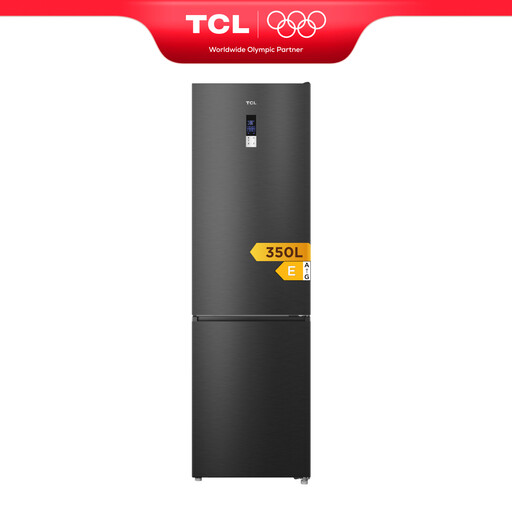
TCL RP455BBE0NL fridge freezer
An option to compare if you’re looking for space for several packaged portions. Check this model’s temperature setting and drawer dimensions.
350 l total capacity: 248 l fridge capacity and 102 l freezer capacity; energy rating E; Total No Frost; Variable Zone.
Reversible door.
View at Joybuy
 No image available
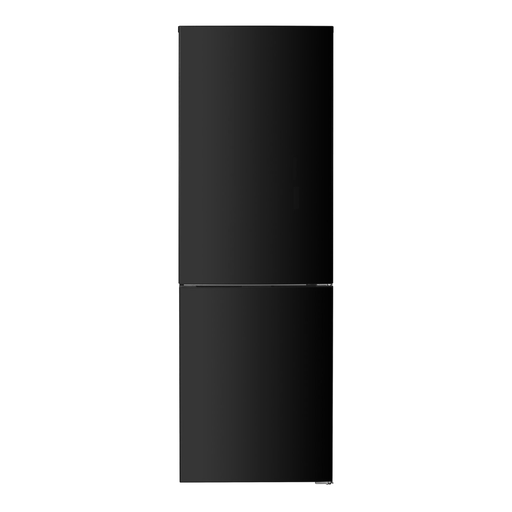
Exquisit KGC295-80-NF-041EB fridge freezer
A model to compare if you want to store portions in a fridge freezer. Check that its temperature settings and drawers suit your needs.
293 l total capacity; 83 l freezer capacity; energy rating E; stated energy consumption 233 kWh per year; No Frost.
Dimensions: 186 × 60 × 62 cm.
View at Joybuy
 No image available
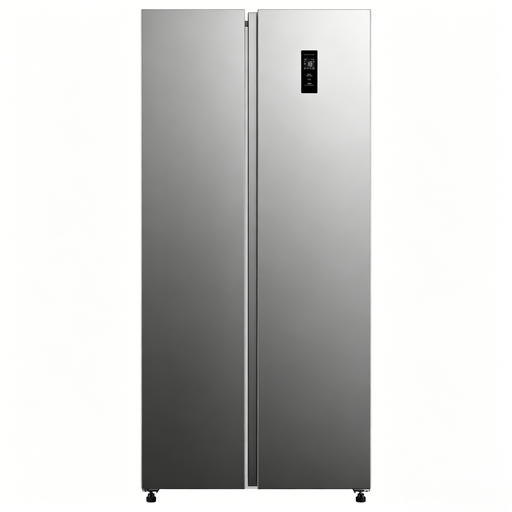
Sonlu CC-520WE American-style fridge freezer
A model to compare if you’re looking for space for several portions. Measure the space where you plan to put it and check the temperature setting first.
444 l total capacity: 276 l fridge capacity and 168 l freezer capacity; energy rating E; No Frost; digital temperature control; 4-star freezer.
Width: 830 mm. Stated noise level: 40 dB.
View at Joybuy
 No image available
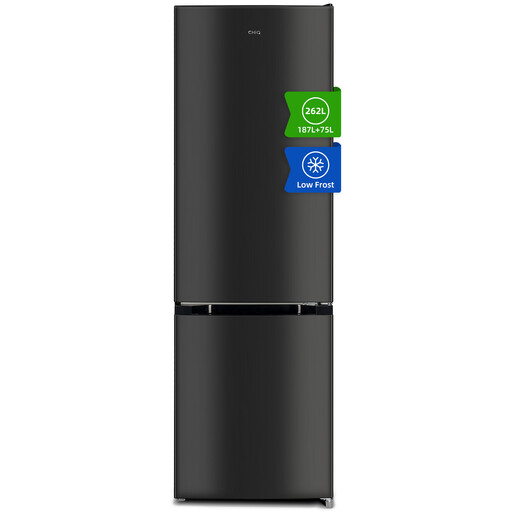
CHiQ JR263LGE Low Frost fridge freezer
A model to compare if you’re looking for a fridge freezer with the freezer compartment at the bottom. Check that its freezing function and drawers suit your storage plans.
262 l total capacity; Low Frost; 4-star freezing; stated noise level 39 dB.
Reversible door.
View at Joybuy
Frequently asked questions
Does cooled fruit crumble need to go straight into the freezer before dinner?
No, not if you’re serving the crumble that evening. If you want to keep some leftovers, cool them quickly, seal them well and put them in the fridge or freezer within two hours of cooking, as recommended by the Netherlands Nutrition Centre. Freezing is an option if you’re saving the crumble for later.
What temperature and packaging should I use for portions in the freezer?
Set the freezer to −18 °C and divide the cooled crumble into small, well-sealed portions. The Netherlands Nutrition Centre recommends not freezing too much at once. Also check that the containers will fit in the drawers.
How should I defrost a portion I’ve stored?
The Netherlands Nutrition Centre recommends defrosting in the fridge for foods such as leftovers. You can also use the microwave. Take the packaging and any further preparation required by your recipe into account.
How do I compare the energy use of fridge freezers?
Compare the stated energy consumption in kWh per year for specific models, and check their separate fridge and freezer capacities too. Use your own electricity tariff if you want to work out the cost.
What information is shown on a fridge freezer’s energy label?
The energy label shows details including annual energy consumption in kWh, the separate fridge and freezer capacities, and the noise level. The European Commission sets out energy labelling requirements for household fridges and freezers. The label information doesn’t prove that a particular container will fit in a freezer drawer.


