
Planning ahead for guests
You prepare vegetables a few hours in advance and want to chill sealed portions promptly and keep them organised. The Netherlands Nutrition Centre advises cooling leftovers quickly and storing them in a sealed container.


First, choose a fridge-freezer with enough usable fridge space for sealed containers, then check that its external dimensions will fit your kitchen. Follow the Netherlands Nutrition Centre’s advice for storing cooked vegetables: cool them quickly, put them in a sealed container in a fridge at 4 °C within two hours, and freeze leftovers if you want to keep them for more than two days.
You prepare vegetables a few hours in advance and want to chill sealed portions promptly and keep them organised. The Netherlands Nutrition Centre advises cooling leftovers quickly and storing them in a sealed container.
You often cook more than you can eat straight away and need useful freezer space as well as fridge space. For leftovers you plan to keep for more than two days, the Netherlands Nutrition Centre recommends freezing them.
You need to balance the fridge and freezer capacity against the space available. Measure the space and check the dimensions and layout of the specific model.
Start by working out how much space you need for containers you’ll use within two days. Then measure the space for the appliance, and compare freezer capacity, annual energy consumption and maintenance requirements.
| What to consider | What should you check? | Who is this important for? |
|---|---|---|
| Chilling cooked vegetables safely | Check that sealed containers will fit and that you can set the fridge to 4 °C. Cool leftovers quickly and put them away within two hours. | If you prepare vegetables in advance, you’ll want to chill them promptly in a sealed container. Around 36% of consumers put safe chilling first. |
| Balancing fridge and freezer space | Compare the individual capacities in litres, shelves and freezer drawers; don’t look only at the total capacity. | If you need room for containers for guests as well as freezer space for keeping extra portions for longer, capacity in both compartments matters. Around 29% of consumers prioritise the balance between fridge and freezer space. |
| Suitable external dimensions | Measure the height, width and depth, and check the door swing and installation instructions for the model. | If kitchen space is limited, you’ll want to know in advance whether the appliance will fit and remain accessible. Around 21% of consumers put available kitchen space first. |
| Energy use and maintenance | Compare the energy label and annual kWh consumption of models that fit; also check whether the freezer compartment has No Frost. | Once you’ve found an appliance that fits, annual energy use and the level of freezer maintenance you’re happy with could help you decide. Around 14% of consumers focus mainly on running costs and maintenance. |
A drawer for fresh vegetables doesn’t replace the need to cool cooked vegetables quickly and chill them promptly.
Check there’s room for sealed containers and follow the Netherlands Nutrition Centre’s storage advice.
Models divide their capacity differently between the fridge and freezer, while containers for guests usually need fridge space.
Compare the individual capacities and check where the shelves and drawers are positioned.
These features alone won’t tell you whether the appliance’s dimensions and layout suit your kitchen and storage containers.
First check the dimensions and usable layout; then compare the stated annual energy consumption of models that fit.
These brands offer useful reference points for the product ranges mentioned. The details apply to the specific models below and are not a brand ranking.
According to Inventum, the freestanding KV1850W has 216 l of fridge space and 122 l of freezer space. Its layout is worth considering if you also want to freeze portions.
According to Bosch, the freestanding KGN39VIBT has 260 l of fridge space and 103 l of freezer space. This balance may suit you if fridge containers are the priority.
The freestanding B5RCNE366HXB1 has a bottom freezer and No Frost. Check the individual capacities of the exact model before comparing space for containers.
According to Liebherr, the CNc 5203 Pure NoFrost has a total capacity of 330 l.
The RB38C607AS9/EF belongs to a product range with a total capacity of 387 l, which may be relevant if you’re looking for a fridge-freezer with more overall space.
These Joybuy picks are fridge-freezers for chilling containers and, depending on the model, storing extra portions in the freezer compartment.
 No image available
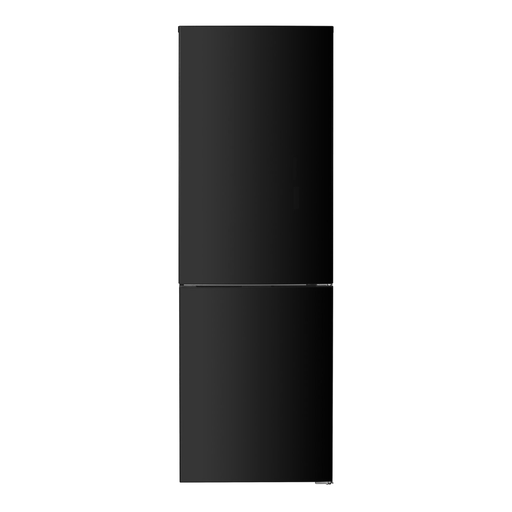
The stated 210 l of fridge space gives you room to store containers separately from extra portions in the freezer compartment.
Fridge capacity: 210 l; freezer capacity: 83 l. External dimensions: 186 × 60 × 62 cm. No Frost and fast cooling and freezing functions are listed.
 No image available
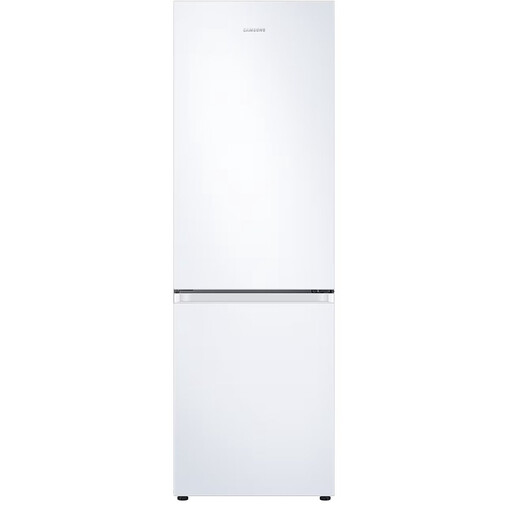
The stated 230 l of fridge space may suit you if containers for guests are a priority and you also want to freeze extra portions.
Fridge capacity: 230 l; freezer capacity: 114 l. Three freezer drawers, No Frost and a reversible door are listed.
 No image available
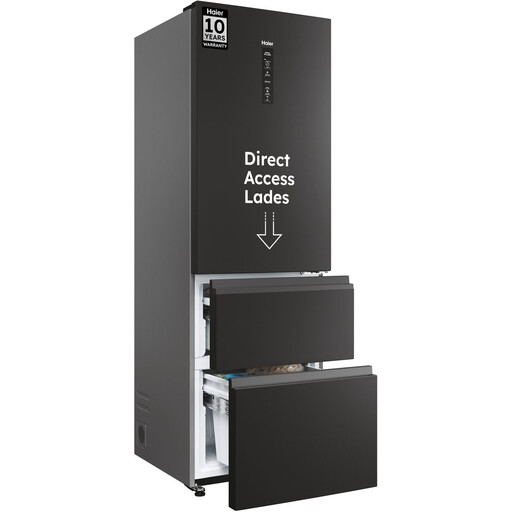
With 235 l of fridge space and a separate freezer compartment, this model gives you the option of planning space for chilled containers and frozen portions side by side.
Fridge capacity: 235 l; freezer capacity: 125 l. External dimensions: 59,5 × 185 × 66,7 cm. Four shelves, three of which are adjustable, two freezer drawers, Total No Frost and a reversible door are listed.
 No image available
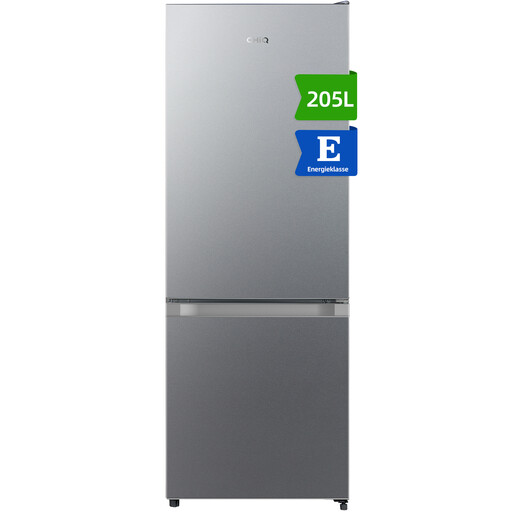
The product information lists a 4 °C setting for the fridge compartment and a separate freezer compartment for extra portions.
Fridge capacity: 153 l; freezer capacity: 52 l. Recommended settings: 4 °C and −18 °C. External dimensions: 54 × 55 × 144 cm. According to the product information, Low Frost reduces ice build-up, but this model is not described as No Frost.
 No image available
The stated fridge temperature range includes 4 °C; the individual capacities help you plan space for fridge containers and freezer portions.
Fridge capacity: 187 l; freezer capacity: 73 l. Width: 55 cm. Three freezer drawers and a reversible door are listed. The product information says that manual defrosting is required.
Keep them covered in the fridge for up to two days. The Netherlands Nutrition Centre advises cooling the vegetables quickly, putting them in a sealed container in the fridge within two hours and keeping the fridge at 4 °C. Freeze them if you want to keep them for longer.
Let leftovers cool first, then put them in the fridge within two hours of cooking. The Netherlands Nutrition Centre recommends using clean, sealable containers; a hot pan can raise the fridge temperature.
The Netherlands Nutrition Centre recommends a freezer temperature of at least −18 °C and freezing food in small portions. Check that your chosen appliance can reach this temperature.
Measure the available space and compare it with the external dimensions and installation instructions for the exact model. No Frost can reduce the need for defrosting, but it doesn’t mean you’ll never need to clean the appliance.