You don’t necessarily need a large fridge-freezer to keep grapes fresh. Look for a fridge compartment where you can store them dry and on the vine, and check that you can set the temperature to 4 °C, as recommended by the Voedingscentrum. Then compare the dimensions, separate fridge and freezer capacities, and annual energy consumption. No Frost is mainly worth considering if you use the freezer compartment and want to reduce ice build-up.
Who is this buying guide for?
Keeping grapes fresh after class
You want to be able to put a bunch away when you get home and enjoy it fresh later. The Voedingscentrum advises storing grapes dry and chilled, so check the temperature and see whether there’s a suitable spot in the fridge compartment.
A small kitchen, but still room to freeze
You’re short on space but still want to freeze food. When choosing a fridge, the Consumentenbond recommends considering its type and size. For a fridge-freezer, compare the overall dimensions as well as the separate fridge and freezer capacities.
Taking energy consumption into account
You’re looking for a fridge-freezer that suits your needs and want to compare its stated annual energy consumption. The European Commission lists energy consumption, capacity and whether the appliance has a freezer compartment as information on the energy label. The Consumentenbond also recommends checking the kWh per year.
What should you look for?
If you want to enjoy your grapes fresh, start by choosing a fridge compartment with a temperature you can check. Size, energy consumption and freezer convenience are separate considerations. The Voedingscentrum recommends setting your fridge to 4 °C.
| What to consider |
What should you check? |
Who is this important for? |
| Chilling and storing grapes |
Check the layout of the fridge compartment and whether you can set and check the temperature. |
If I want to store grapes after class, I look for a suitable spot and a temperature I can check. Around 31% of consumers put chilling and storing grapes first. |
| Fit and layout |
Measure the available height, width and depth. Allow for access and enough room to open the door. Compare fridge and freezer capacities separately. |
In a small kitchen, I want to know whether the appliance will fit and offer enough usable space. Around 25% of consumers prioritise fit and layout. |
| Annual energy consumption |
Compare the annual kWh consumption on the EU label of models that fit your space and capacity requirements. |
When comparing suitable models, I also want to take annual energy consumption into account. Around 19% of consumers put energy consumption at the top of their list. |
| Freezer space and maintenance |
Decide whether you want to freeze food. If so, compare freezer capacity and check whether No Frost applies to the freezer compartment. |
If I also want to freeze food and reduce ice build-up, I look at freezer space and maintenance. Around 13% of consumers prioritise freezer convenience. |
| Noise in your living space |
For models that fit, compare the stated noise level and noise emission class. |
With an open-plan kitchen, I want to know how much noise to expect alongside my living space. Around 12% of consumers place the greatest importance on a quiet home. |
Avoiding common buying mistakes
-
Assuming No Frost keeps grapes fresh for longer
No Frost prevents ice build-up in the freezer compartment. On its own, it doesn’t mean that grapes will stay fresh for longer in the fridge compartment.
Think of No Frost as a freezer and maintenance feature. For fresh grapes, choose a suitable place in the fridge compartment.
-
Comparing only the energy rating
The energy rating alone doesn’t tell you the annual energy consumption of two specific models. Their capacities may also differ.
Compare the annual kWh consumption of models that suit your size and capacity needs. For a personal estimate of running costs, use your own electricity price per kWh.
-
Treating a product title as a complete specification
A title may mention features that you’ll want to confirm for the exact model before buying. For example, the Beko B3RCSO255W and B3RCNO255W have different stated cooling systems.
Check the full model number and product specifications before you order. Beko lists static cooling for the B3RCSO255W and No Frost for the B3RCNO255W.
Brands to consider
Beko
Beko makes freestanding fridge-freezers in a slim format. According to Beko, the B3RCSO255W is 54 cm wide and uses static cooling; the separate B3RCNO255W is also 54 cm wide and has No Frost.
- The two models mentioned let you compare static cooling and No Frost at the same stated width.
- Don’t assume one model uses the same cooling system as the other; check the full model number.
Bosch
The Bosch KGN36NLEA is a freestanding fridge-freezer with the freezer compartment at the bottom. Bosch lists separate fridge and freezer capacities for this model.
- Bosch lists 216 l of fridge space, 89 l of freezer space and Total NoFrost for the KGN36NLEA.
- The stated capacity and energy consumption apply to this model; they aren’t features of every Bosch fridge.
Samsung
The Samsung RB34C605CWW/EF is a fridge-freezer with a stated capacity of 344 l and energy rating C.
- Its stated capacity may be useful if you store lots of other food as well as grapes.
- Samsung says AI Energy Mode can deliver savings of up to 15%. According to Samsung’s own tests, Wi-Fi and an account are required, and results may vary depending on use.
Liebherr
The Liebherr CNsdc 5203 Pure NoFrost is worth considering if you want to compare No Frost and separate cooling circuits.
- Liebherr says DuoCooling uses two separate cooling circuits.
- This is a manufacturer’s claim and doesn’t demonstrate that grapes will keep for longer.
Fridge-freezers at Joybuy
This selection includes compact fridge-freezers and models with more fridge or freezer space. Compare the stated layout and features with the space available at home and how you plan to use the freezer compartment.
 No image available
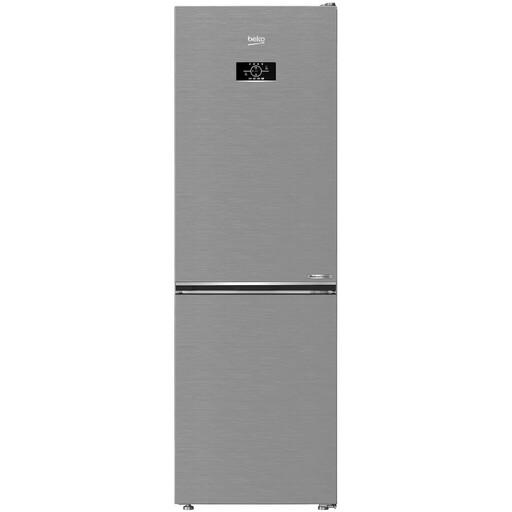
Beko B5RCNE366HXB1 fridge-freezer
A freestanding fridge-freezer to compare if you want freezer space as well as room to chill food.
316 l; No Frost; HarvestFresh; energy rating C; stainless steel.
View at Joybuy
 No image available
TCL RF338BSE0 fridge-freezer
A compact option to compare if you’re looking for a freestanding fridge-freezer with separate fridge and freezer compartments.
260 l total; 187 l fridge space and 73 l freezer space; 55 cm wide; Fresh Zone; reversible door; energy rating E.
The product information states that it requires manual defrosting.
View at Joybuy
 No image available
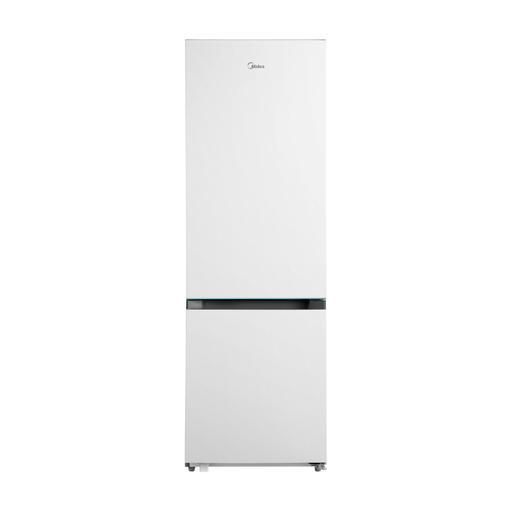
Midea MDRB457FGE01 fridge-freezer
A fridge-freezer to compare if you want plenty of freezer space as well as room to chill food.
330 l; Total No Frost; Fresh Zone; energy rating E.
View at Joybuy
 No image available
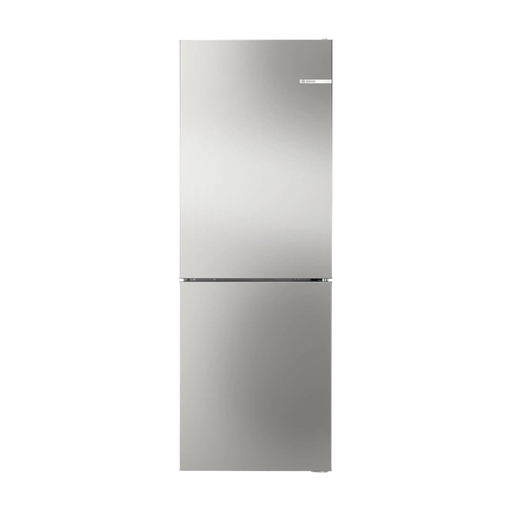
Bosch KGN33NSDB fridge-freezer
An option to compare if you’re looking for a freestanding model with both fridge space and a freezer compartment.
308 l; NoFrost; VitaFresh; freezer compartment with a 4-star rating.
View at Joybuy
 No image available
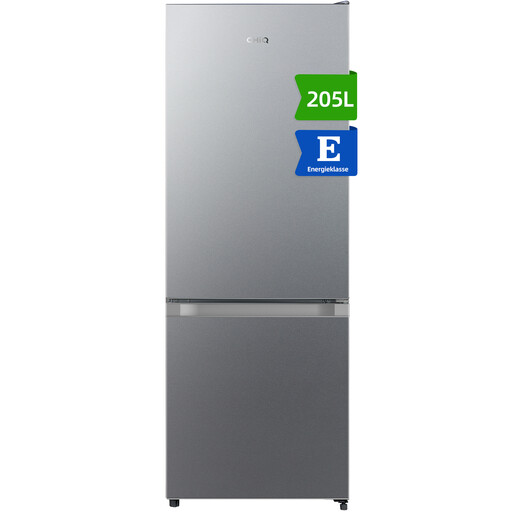
CHiQ JR205LSE fridge-freezer
A compact fridge-freezer to compare if you need less fridge and freezer space.
205 l total; 153 l fridge space and 52 l freezer space; Low Frost; energy rating E.
The product information says that you’ll need to defrost the freezer compartment from time to time.
View at Joybuy
Frequently asked questions
Do fresh grapes need to go in the freezer?
No, not if you want to keep them fresh. The Voedingscentrum says opened grapes keep for 1–2 weeks in the fridge, compared with 3–4 days in a fruit bowl. Store them on the vine and keep them dry. Freezing is another option.
How can you check that your fridge is cold enough?
The Voedingscentrum recommends setting your fridge to 4 °C and checking the temperature with a fridge thermometer. Place it in the middle of the bottom shelf and leave it for half a day or overnight. Adjust the fridge if the reading is too high.
How can you compare the running costs of different models?
Check the annual kWh consumption on the EU label for the exact model. For a personal estimate, multiply it by your own electricity price per kWh. The European Commission lists energy consumption and capacity as label information; actual consumption may differ from the standardised figure.
Who should you contact in the Netherlands if your fridge is faulty?
Report the fault to the retailer. According to the Dutch government, the retailer must resolve the issue with a faulty product or contact the manufacturer to do so; they can’t simply send you to the manufacturer. The right solution will depend on the circumstances.


