
Cook serving fresh berries
Wants to keep soft fruit chilled and free from excess moisture until dinner, so easy-to-reach fridge space is a priority. The Netherlands Nutrition Centre provides storage advice for different types of berries.


Start by making sure there’s enough usable fridge space for the berries and the rest of your meal, then check that you can set the fridge to 4 °C and that the appliance will fit in your kitchen. Next, compare annual energy consumption and only choose extra freezer space if you’ll use it for other things too. A dedicated drawer doesn’t replace storage advice for specific types of berries.
Wants to keep soft fruit chilled and free from excess moisture until dinner, so easy-to-reach fridge space is a priority. The Netherlands Nutrition Centre provides storage advice for different types of berries.
Needs room for berries alongside other ingredients and weighs usable fridge capacity against the space available in the kitchen. Milieu Centraal and the Consumers’ Association list capacity and size as factors to consider when choosing.
Wants to save leftover berries for another occasion, so compares freezer space with the fridge capacity needed. The Netherlands Nutrition Centre describes freezing as a way to store foods including raspberries.
First, compare the fridge space, temperature setting and fit for the meal you’re planning. Then look at annual energy consumption and decide whether your household really needs freezer space for later.
| What to consider | What to look for | Who is this important for? |
|---|---|---|
| Keeping berries fresh | Check whether you can set the fridge to 4 °C and store the packaging somewhere dry and easy to reach. | If I want to serve fresh berries tonight, I look for dry storage and a place where the punnets won’t get in the way. Around 36% of consumers prioritise keeping food fresh. |
| Fridge space and fit | Compare fridge capacity separately from freezer capacity, and measure the available space or, for an integrated model, the niche and door mounting. | If you want to store berries alongside the other ingredients for a shared meal, you’ll need enough usable fridge space and a model that fits. Around 29% of consumers mainly need fridge space. |
| Annual energy consumption | Compare the kWh per year shown on the energy label for the exact models; your bill will also depend on your electricity tariff. | If I use the appliance every day, I want to take its stated annual energy consumption into account alongside its capacity. Around 21% of consumers make energy consumption their top priority. |
| Freezer space for later | Check the freezer capacity separately and consider whether you regularly use the freezer for berries or other food. | If you want to save leftover berries or other ingredients for another meal, freezer space is most useful when it suits the way you’ll use it. Around 14% of consumers prioritise freezing food for later. |
Storage advice varies by type. A drawer or other branded feature doesn’t, on its own, prove that berries will keep for longer.
Follow the advice for the type of berries you have, avoid excess moisture and check the fridge temperature. The Netherlands Nutrition Centre recommends a fridge temperature of 4 °C.
Fridge space matters for berries and ingredients for the same meal; total capacity doesn’t tell you how much space is available in each section. Milieu Centraal warns that a fridge that’s larger than necessary may use more electricity.
Compare fridge and freezer capacity separately, and measure the space for the appliance. For an integrated model, also check the niche dimensions and door mounting.
Freezer space can be useful for berries you want to use later, but it doesn’t replace refrigeration and suitable packaging for fruit you want to serve fresh at your next dinner.
Prioritise enough fridge space if you’ll be eating the berries fresh tonight. Choose extra freezer space if you’ll also use it for future meals.
The Dutch product range includes the freestanding GBBS525CPY, with a stated capacity of 375 l. This model may be worth considering if you’re weighing up fridge space and a fruit drawer.
According to Bosch, the freestanding KGN39ELCKS has 276 l of fridge capacity and 115 l of freezer capacity.
The Dutch range includes the freestanding CNd 5704 Pure NoFrost with EasyFresh and the integrated ICNd 5603 with EasyFresh.
The freestanding RB38C607AS9/EF is a model to compare if you’re considering a larger capacity and its stated energy rating.
This selection includes freestanding fridge-freezers for anyone who wants to chill fresh berries and other meal ingredients, as well as having freezer space for later.
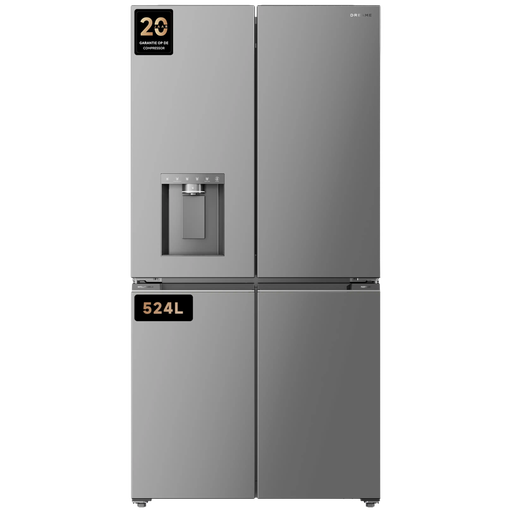 No image available
An option if you want to keep fresh ingredients in the fridge and also need freezer space for later.
The product name states a total capacity of 524 L, No Frost and energy label E.
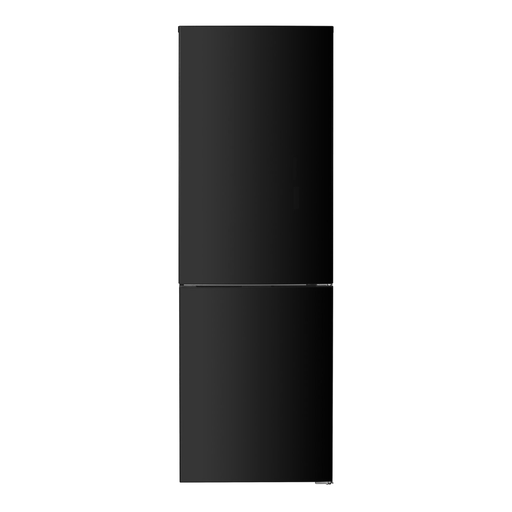 No image available
A freestanding option to compare if you want fridge space for your meal and a separate freezer section.
The product name lists 293 L, No Frost and energy label E.
 No image available
An option if you want to keep meal ingredients in the fridge and also freeze food for later.
The product name lists 330 L, energy label E and a noise level of 35 dB.
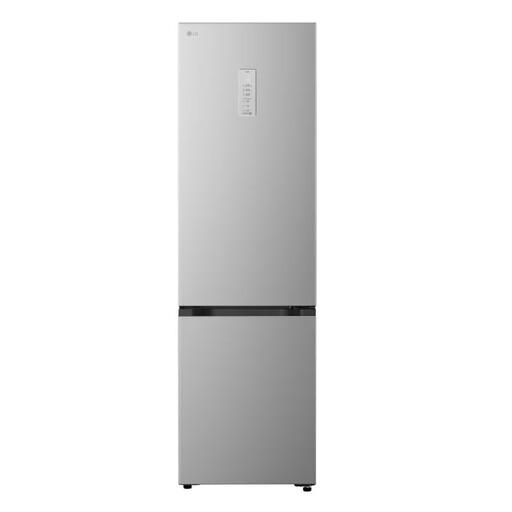 No image available
An option if you want to chill fresh berries alongside other ingredients and also need freezer space for later.
The product name lists 375 L and Total No Frost. LG also lists Fresh Balancer for this model; this isn’t an independent measurement of how long berries keep.
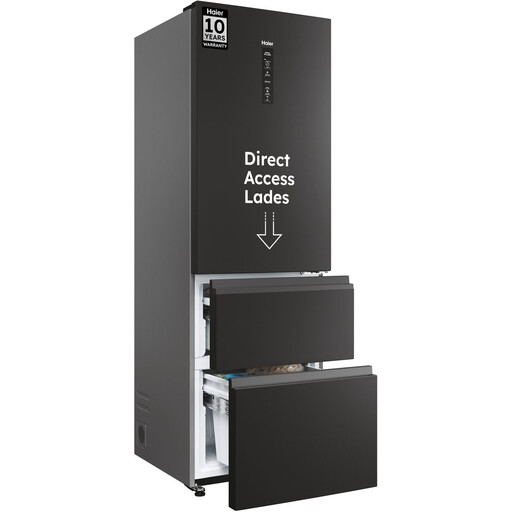 No image available
An option to compare if you’re looking for chilled space for your meal and a freezer section for later.
The product name lists Total No Frost, Wi-Fi and 3D Cooling.
The Netherlands Nutrition Centre recommends a fridge temperature of 4 °C. Check the actual temperature with a fridge thermometer; the setting on the control panel isn’t a measurement in itself.
No. Don’t assume there’s one storage recommendation for every type. The Netherlands Nutrition Centre advises keeping strawberries with their green tops on in a closed container in the salad drawer, and avoiding excess moisture. For blueberries, it recommends a paper bag in the fridge, also kept dry. Check the advice for the type of berries you have.
Compare the niche dimensions and door mounting system with your kitchen. According to the manufacturer, the Liebherr ICNd 5603 requires a niche measuring 194–195 × 56–57 × 55,0 cm and uses door-on-door mounting; these dimensions don’t automatically apply to other models.
Compare the stated energy consumption in kWh per year on the energy labels for the exact models, and use your own electricity tariff to work out the cost. Milieu Centraal points out that a fridge that’s larger than necessary may use more electricity.
An energy label is required for fridges and freezers covered by the applicable EU rules. If you buy a new, similar appliance, the shop is required by the Dutch government to take back your old one.