What should you look for when buying?
Start with the temperature and usable layout of the fridge compartment for your dressing and serving dishes. Then compare the external dimensions and annual energy consumption; only after that, consider how much freezer space and convenience you really need.
| What to consider |
What to look for |
Who is it important for? |
| Safe chilling |
Check whether the fridge compartment can be set to 4 °C and use a fridge thermometer. |
If you make perishable dressing in advance, you’ll want to know how cold it actually is. Around 29% of consumers put reliable chilling first. |
| Usable fridge space |
Compare the fridge capacity separately and measure your serving dishes and bottles; check the layout too. |
For a family gathering, you’ll want space for dressing, ingredients and serving dishes side by side. Around 24% of consumers give usable fridge space top priority. |
| Size and positioning |
Measure the available height, width and depth, and check doors and access routes. |
If your kitchen is short on space, you’ll want to know in advance whether the appliance will fit in its intended spot and whether you can get it there. Around 18% of consumers start by checking the available space. |
| Annual energy consumption |
Compare the consumption in kWh on the EU energy label for models that meet your space requirements. |
If ongoing energy use is a key concern, look beyond the energy rating alone. Around 17% of consumers put electricity consumption first. |
| Freezer space and maintenance |
Think about what you actually want to freeze, and compare the freezer layout and any NoFrost function. |
If you also want to freeze suitable dishes, a freezer compartment that meets your needs is useful; dressing isn’t automatically suitable for freezing. Around 12% of consumers give freezer use top priority. |
Fridge-freezers at Joybuy
These fridge-freezers offer different layouts and stated fridge and freezer capacities to consider for dressing and other dishes.
 No image available
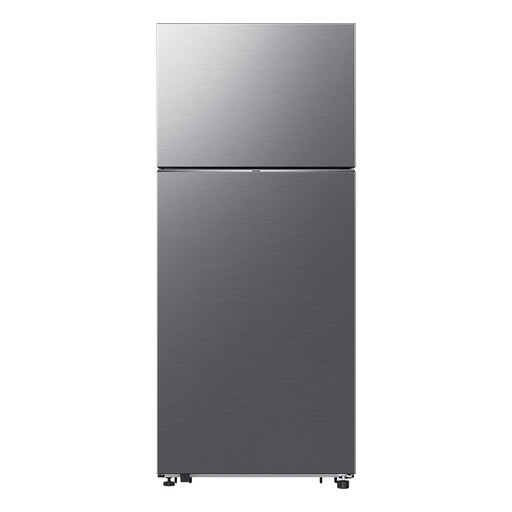
Samsung RT53DG7A14S9EF fridge-freezer
An option to compare if you’re looking for plenty of fridge space for serving dishes and ingredients alongside your dressing.
No Frost; 186 cm; extra wide; stainless steel; E energy rating.
View at Joybuy
 No image available
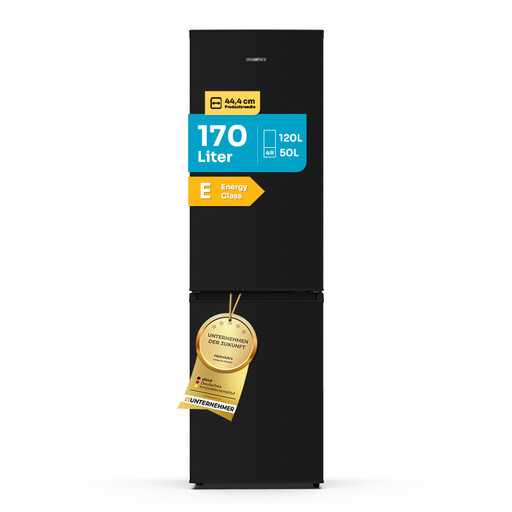
Heinrich’s fridge-freezer, 170 l
The stated split may help if you’re looking for a smaller fridge-freezer and want to compare fridge and freezer space in advance.
120 l fridge space; 50 l freezer space; 40 dB; E energy rating; black.
View at Joybuy
 No image available
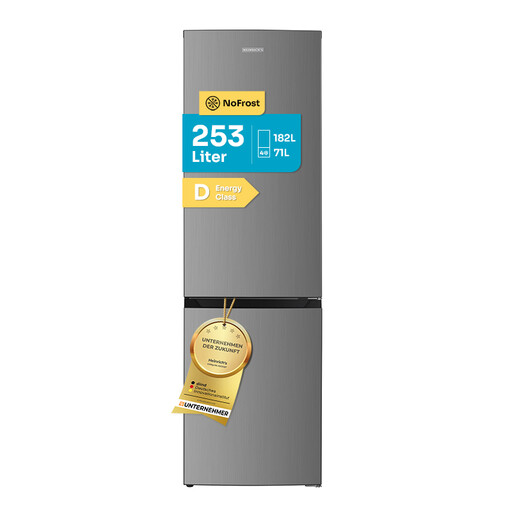
Heinrich’s fridge-freezer, 253 l
The separately listed compartment capacities make this model worth comparing if you want to store both chilled dishes and frozen food.
182 l fridge space; 71 l freezer space; No Frost; 39 dB; stainless steel.
View at Joybuy
 No image available
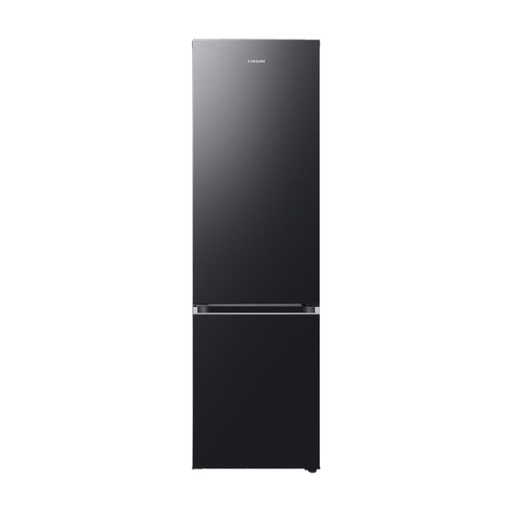
Samsung RB38C607AB1/EF fridge-freezer
An option to compare if you’re looking for a fridge-freezer and want to factor in its stated energy rating.
Energy class A; Premium Black Steel.
View at Joybuy
 No image available
TCL RF338BSE0 fridge-freezer
An option to compare if you want to match the stated fridge capacity and width to the space you have for serving dishes and bottles.
187 l fridge space; 73 l freezer space; 55 cm wide; reversible door; adjustable feet; E energy rating.
View at Joybuy
Frequently asked questions
How can you check whether your dressing is cold enough?
The Voedingscentrum recommends setting your fridge to 4 °C. Check the temperature with a fridge thermometer: place it in the middle of the bottom shelf, leave it there for half a day or overnight, and adjust the setting if the reading is too high.
Can you make dressing with raw egg well in advance?
No. The Voedingscentrum advises keeping dishes containing raw egg in the fridge for no more than 24 hours. It advises pregnant women, young children, older people and those with a weakened immune system not to eat dishes where the egg remains raw; using a different fridge won’t change that advice.
Do you mainly need a large freezer compartment for dressing?
Not if you mainly keep dressing and other dishes chilled; in that case, compare the usable fridge layout first. The Voedingscentrum says that a yoghurt-based dressing, as described, is less suitable for freezing, so assess whether to freeze it based on the recipe rather than just the NoFrost function.
How can you estimate a fridge-freezer’s energy use?
Check the annual consumption in kWh on the EU energy label and multiply it by your own electricity tariff for a personal estimate. Compare appliances that are the right size for how you use them.
What happens to your old fridge when you buy a new one?
According to the Dutch government, when a private customer buys a new appliance of the same type, the retailer must take back the old appliance free of charge under the one-for-one take-back scheme. For online purchases, the scheme described allows for collection or free return shipping if direct take-back isn’t possible.


