
Host with a full fridge
You store cut melon alongside other dishes and want enough usable fridge space and a temperature you can check. The Netherlands Nutrition Centre recommends setting your fridge to 4 °C.


First, check whether the covered melon will fit alongside the other dishes in the fridge, then use a fridge thermometer to check that the temperature is 4 °C once it’s in place. The Netherlands Nutrition Centre advises keeping cut melon covered in the fridge. Then compare the usable layout, the available installation space and the annual energy consumption.
You store cut melon alongside other dishes and want enough usable fridge space and a temperature you can check. The Netherlands Nutrition Centre recommends setting your fridge to 4 °C.
You need to fit dishes into a limited space or an existing built-in niche. Measure the available space and check the shelf layout and door fitting.
You’ll use the appliance outside the festive season too, so you want to weigh the extra space against its annual energy consumption. Milieu Centraal points out that this figure is shown on the energy label.
Start with the fridge compartment’s space and temperature; freezer features are no substitute for chilled storage when you’re serving melon fresh.
| What to consider | What should you look for? | Who is this important for? |
|---|---|---|
| Reliable cooling | Set the fridge compartment to 4 °C and check the actual temperature with a fridge thermometer. | If I cut the melon in advance, I want to be able to store it covered and chilled; around 36% of consumers put reliable cooling first. |
| Space for dishes | Measure the covered dish and compare it with the usable shelves and the division between the fridge and freezer compartments. | For a meal with several dishes, space for the serving dish matters—not just the stated capacity; around 29% of consumers focus mainly on usable fridge space. |
| Size and installation | Measure the space or niche and, for a built-in model, check the door fitting too. If the appliance will be in an unheated space, check the climate class of the exact model. | If my kitchen or installation space limits my choice, the model needs to fit and operate within the installation requirements; around 21% of consumers prioritise installation. |
| Everyday energy consumption | Compare a suitable size and the stated annual consumption in kWh on the energy label, not just the energy rating. | If I use the appliance every day, I weigh extra capacity for celebrations against its energy use throughout the year; around 14% of consumers focus mainly on energy consumption. |
The Dutch Consumers’ Association explains that capacity is measured for the energy label without drawers, shelves and racks. So a high stated capacity doesn’t automatically mean a serving dish will fit.
Measure the covered dish and compare it with the layout and available space in the fridge compartment.
No Frost relates to ice build-up in the freezer compartment. For cut melon that will be served fresh, the Netherlands Nutrition Centre recommends storing it covered in the fridge.
Assess the fridge space and measured temperature separately from the freezer features.
Milieu Centraal also recommends checking annual consumption in kWh. A larger model may have a different overall energy consumption from a smaller one, even if its energy rating looks favourable.
First choose a suitable size, then compare the annual kWh figure on the energy label.
An appliance that’s larger than you usually need may use more energy during everyday use.
According to the Dutch Consumers’ Association, low ambient temperatures can affect how a fridge freezer works; suitability varies by model.
Check the climate class and installation instructions for the exact model against the temperature the space actually reaches. Unsuitable conditions can lead to inadequate cooling or damage.
The freestanding RCHE300K40WN is 54 cm wide, which may be useful if you have limited width available.
According to Samsung, the freestanding RB34C670DWW/EF has a total capacity of 344 l.
The freestanding GBBS322CPY offers more space, with a total capacity of 375 l stated by LG.
The freestanding KGN39OCAF measures 203 × 60 cm and has a total volume of 363 l, according to Bosch.
The ICNSd 5123 is a built-in model with a total volume of 253 l stated by Liebherr and a sliding door system.
This selection includes freestanding and built-in fridge freezers for anyone weighing up chilled space for a shared meal against layout and installation.
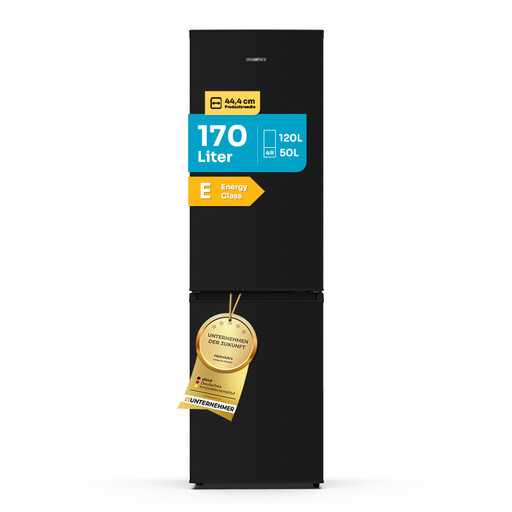 No image available
The stated fridge capacity may be useful when weighing up space for melon to serve fresh against freezer space.
170 l total: 120 l fridge capacity and 50 l freezer capacity. Energy class E; 40 dB; black.
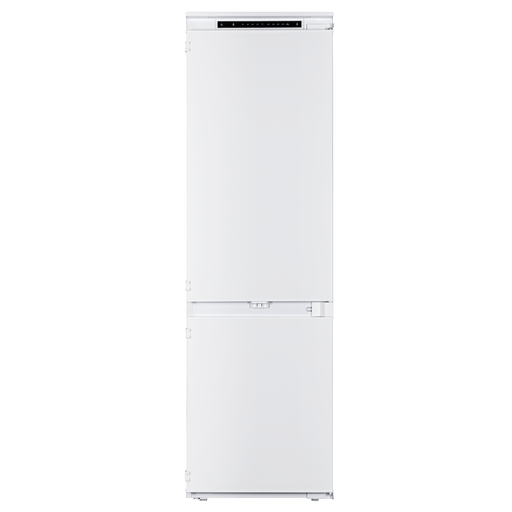 No image available
This built-in model may suit a kitchen with a matching niche and sliding door fitting.
Total No Frost model; height 178 cm. Check the niche and specified fitting system before buying.
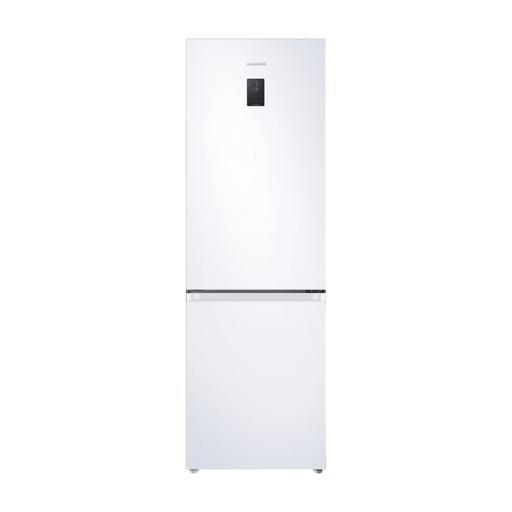 No image available
This freestanding model could be an option if its stated dimensions and layout fit the available space in your kitchen.
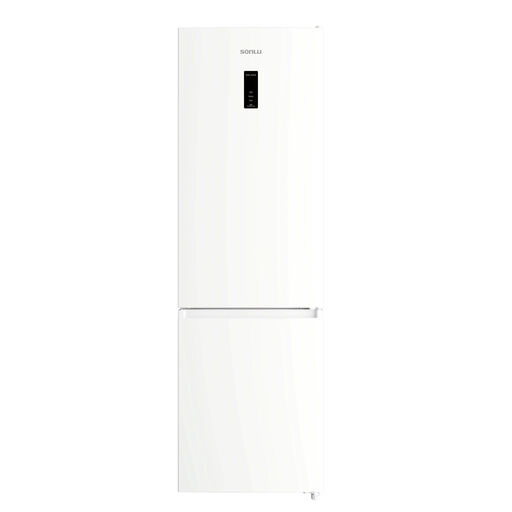
Energy class D; 204 kWh per year; height 1853 mm; white.
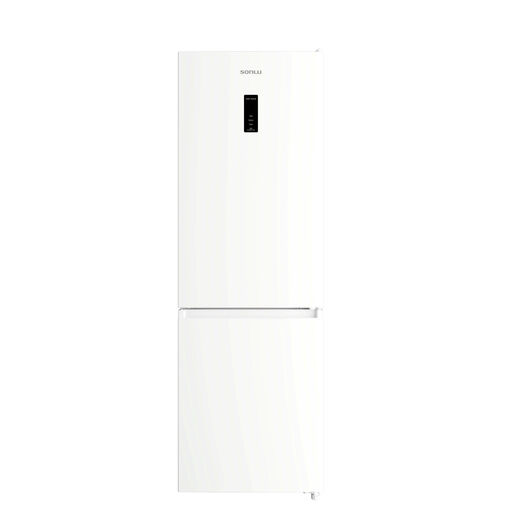 No image available
The stated fridge capacity and electronic temperature control may be useful when comparing models for a shared meal; check the actual temperature once it’s installed.
310 l total: 211 l fridge capacity and 99 l freezer capacity; 60 cm wide; energy class E. With inverter compressor and reversible door.
 No image available
The stated fridge capacity can help you assess the space available, but it won’t tell you whether your dish will fit on a shelf.
355 l total: 252 l fridge capacity and 103 l freezer capacity; 60 cm wide; energy class E. With inverter compressor and reversible door.
The Netherlands Nutrition Centre advises keeping cut melon covered in the fridge and says opened melon will keep in the fridge for two days. Set your fridge to 4 °C and check the temperature; this advice doesn’t guarantee that every fridge will reach that temperature automatically.
No, the freezer compartment isn’t a substitute for the fridge if you want to serve the melon fresh. If you want to freeze it, the Netherlands Nutrition Centre advises removing the rind, cutting the melon into pieces and packing them in an airtight container. The Netherlands Nutrition Centre recommends a freezer temperature of at least −18 °C.
Place a fridge thermometer in the middle of the bottom shelf, leave it there for half a day or overnight, then take a reading. If the temperature is above 4 °C, adjust the fridge and check again.
Compare the climate class and installation instructions for the exact model with the temperature the space actually reaches. According to the Dutch Consumers’ Association, low ambient temperatures can affect how the appliance works; suitability varies by model.
According to the Dutch Government, fridges must have an energy label with information about energy consumption. If a product is faulty, your statutory guarantee applies and the retailer is your point of contact; there is no fixed statutory guarantee period in the Netherlands. When buying a similar new appliance, a private buyer can hand in their old appliance under the old-for-new scheme without paying a collection fee.