
Family that likes to bake ahead
You want to store portions of dough alongside your usual frozen food. So compare the freezer drawers and the space your packaging will actually take up.


To freeze fresh cookie dough, you need a freezer compartment with a 4-star rating. Check that the packaging fits in the drawers alongside your usual frozen food. The Dutch Consumers' Association says that 4 stars are suitable for freezing fresh food. Set the freezer to −18 °C or colder, as recommended by the Netherlands Nutrition Centre. Then compare the separate freezer capacity, drawer layout, dimensions and stated energy consumption in kWh per year.
You want to store portions of dough alongside your usual frozen food. So compare the freezer drawers and the space your packaging will actually take up.
You want to freeze dough, but the space available and the route to the installation spot will determine which dimensions will fit. The Dutch Consumers' Association also points out that the climate class may matter if you’re placing the appliance in an unheated space.
You use the appliance every day and want to balance having enough capacity with its stated annual energy consumption. Milieu Centraal lists kWh per year as a figure to compare on the energy label.
First, check that the freezer compartment is suitable for freezing fresh food. Then work out how many packaged portions of dough need to fit alongside your other frozen food, and compare the dimensions and annual energy consumption.
| What to consider | What to look for | Who is this important for? |
|---|---|---|
| Usable freezer space | Compare the separate freezer capacity and measure the packaging you plan to use; the stated capacity in litres isn’t the same as the usable drawer space. | If I want to store portions of dough alongside the family’s frozen food, I’ll focus on whether they fit in the drawers. Around 36% of consumers make usable freezer space their top priority. |
| Energy consumption | Compare kWh per year for models with a capacity that suits your needs; a larger appliance may offer more space than you need. | For everyday use, I want enough fridge and freezer space without an unnecessarily large model. Around 29% of consumers put stated energy consumption at the top of their list. |
| Dimensions and placement | Measure the height, width and depth, including the route to the installation spot. If the space is unheated, check the climate class and the instructions for the specific model. | If there’s little space in the kitchen or along the route, I want to know in advance whether the appliance will fit and work in the right conditions. The right dimensions are the top priority for around 21% of consumers. |
| Freezer maintenance | Check whether the specific model has No Frost, and assess its capacity, dimensions and annual energy consumption separately. | I want to minimise ice build-up and manual defrosting without losing sight of space or energy consumption. Around 14% of consumers prioritise easy maintenance. |
Total capacity includes both the fridge and freezer compartments. Drawers and shelves also take up space, so the stated capacity in litres doesn’t tell you exactly how much packaged dough will fit.
Compare the separate freezer capacity and the drawer layout. If necessary, measure the containers or packaging you plan to use.
According to the Dutch Consumers' Association, only a 4-star freezer is suitable for freezing fresh food; compartments with one to three stars are intended for storing food that has already been frozen.
Before you buy, check specifically that the freezer compartment has a 4-star rating. The Netherlands Nutrition Centre recommends a freezer temperature of −18 °C or colder.
Models with different capacities can have different kWh-per-year figures. The label rating alone won’t tell you which specific model best suits the capacity you need.
Compare the annual energy consumption of models that offer enough fridge and freezer space. Milieu Centraal lists kWh per year as a figure to compare.
If the ambient temperature is outside the suitable range, it can affect how the freezer compartment works. The Dutch Consumers' Association therefore recommends checking the climate class when placing an appliance in a cold space.
Measure the installation spot and the route to it. If the space is unheated, also check the climate class and the instructions for the specific model.
The KGN36VICT is a freestanding fridge-freezer with a bottom freezer, worth comparing if you’re looking for a 60 cm-wide model with separately stated freezer capacity.
The GBV7280AEV is a freestanding model to consider if you want to compare freezer capacity with stated annual energy consumption.
The RB38C7B6AB1/EF is an option to compare if space for the whole family matters to you.
The CNdgc 5213 Pure NoFrost offers a different combination of size and No Frost.
The B3RCNO256W is a 54 cm-wide No Frost model with a bottom freezer to consider if a standard-width appliance won’t fit.
These models are for households that want to store portions of dough alongside other frozen food. For each model, check whether the freezer compartment is suitable for fresh food: it needs a 4-star rating and a temperature of −18 °C or colder.
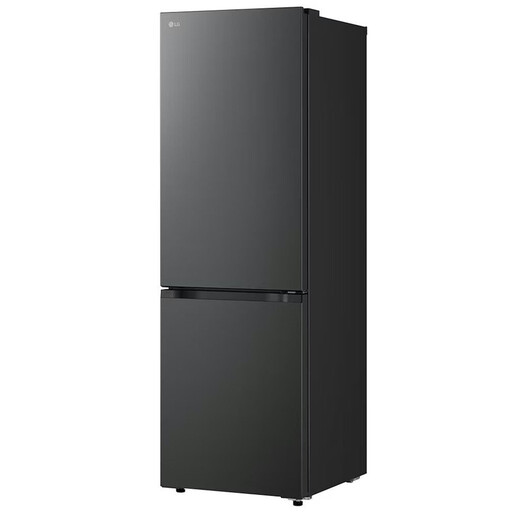 Image unavailable
An option to compare if you want to store portions of dough alongside other frozen food.
The product name lists 333 l, energy rating C, DoorCooling+™, LinearCooling™ and Wi-Fi (ThinQ).
Check that the drawer layout suits your packaging.
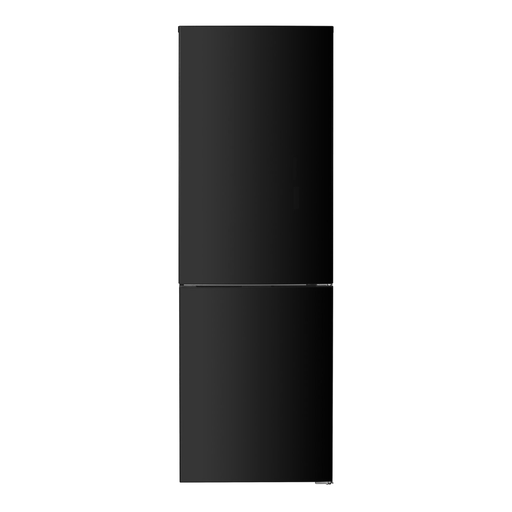 Image unavailable
Compare this model if you’re looking for a fridge-freezer to store portions of dough alongside your other frozen food.
The product name lists 293 l, energy label E and No Frost.
Before you buy, check that the freezer compartment has a 4-star rating and can reach −18 °C or colder.
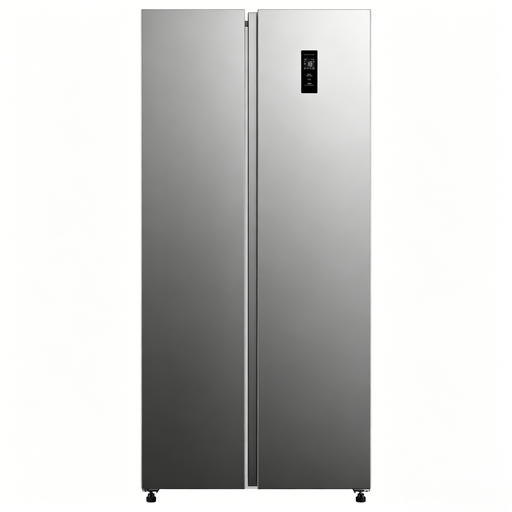 Image unavailable
A side-by-side model to compare if you also want to store other frozen food alongside portions of dough.
The product name lists a total capacity of 444 l, 276 l of fridge space, 168 l of freezer space, a width of 83 cm, No Frost and energy rating E.
Measure the installation spot and the route to it. Also check that the freezer compartment has a 4-star rating and can reach −18 °C or colder.
 Image unavailable
Compare this model with the space you need for portions of dough and other frozen food.
The product name lists 330 l, Total Frost Free and energy rating E.
Check that the freezer compartment has a 4-star rating and can reach −18 °C or colder. Also check that the drawers suit your packaging.
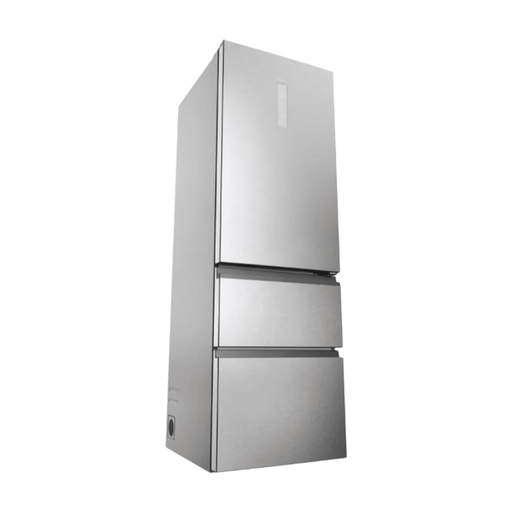 Image unavailable
A model to compare if you need fridge space as well as room for frozen food.
The product name lists 360 l and Total No Frost.
Check the drawer layout and whether the freezer compartment has a 4-star rating and can reach −18 °C or colder.
No. According to the Dutch Consumers' Association, a freezer compartment with a 4-star rating is suitable for freezing fresh food; compartments with one to three stars are mainly intended for food that has already been frozen. Set the freezer to −18 °C or colder, as recommended by the Netherlands Nutrition Centre.
Pack the dough in small portions and don’t put too much in the freezer at once. The Netherlands Nutrition Centre recommends freezing food in small portions. Keep raw dough separate from food that’s ready to eat.
Don’t assume that raw dough is safe to eat. FoodSafety.gov warns that uncooked dough containing flour or eggs may contain harmful germs; freezing doesn’t automatically make raw baking dough safe to eat.
Compare the stated kWh-per-year consumption of models that offer enough fridge and freezer space. Milieu Centraal lists annual energy consumption on the energy label as a figure to compare; keep the size and capacity you need in mind too.
According to the European Commission, the energy label shows information including the energy rating, annual energy consumption, the storage volumes of the fridge and freezer compartments, and noise emissions. For household fridges and freezers covered by the applicable EU product rules, the QR code links to additional model information in EPREL.