
Vandaag of morgen in huis

Kwaliteit gegarandeerd

Welkomstaanbiedingen ontgrendelen: GRATIS bezorging | Tot 80% korting | Gratis 30 dagen JoyPlus-proefperiode
Download de app
Choosing a new fridge-freezer seems simple, until you find yourself lost in specifications, marketing jargon, and models that all look the same. As a result, many people make a choice they later regret. As a Product Recommendation Officer at Joybuy, I see the common pitfalls every day. I'm here to help you cut through the noise and make a practical choice that suits your household.
Before we look at models, let's discuss the three most common mistakes:
To avoid a bad purchase, it's important to look beyond the marketing and focus on a few core specifications. These determine how well the fridge-freezer will fit into your daily life.
This is the first decision you need to make, as it will define the rest of your search.
A refrigerator runs 24/7. An energy-efficient fridge is therefore not a luxury, but a smart investment. Since 2021, the energy scale runs from A (very efficient) to G (very inefficient). A model with a C or D label can result in significant annual savings compared to a model with an F label.
The noise level, expressed in decibels (dB), is especially important in an open-plan kitchen. A quiet fridge prevents constant irritation.
A good No Frost fridge does more than just prevent ice build-up. It ensures constant air circulation that keeps the temperature even throughout. This helps your food stay fresh for longer, and you will indeed no longer need to manually defrost the freezer. Look for systems that manufacturers label as 'Multi-Air Flow' or 'All-Around Cooling', as these often distribute cold air more effectively.
To help you with your choice, we have highlighted a few models that are well-suited for various living situations and lifestyles.
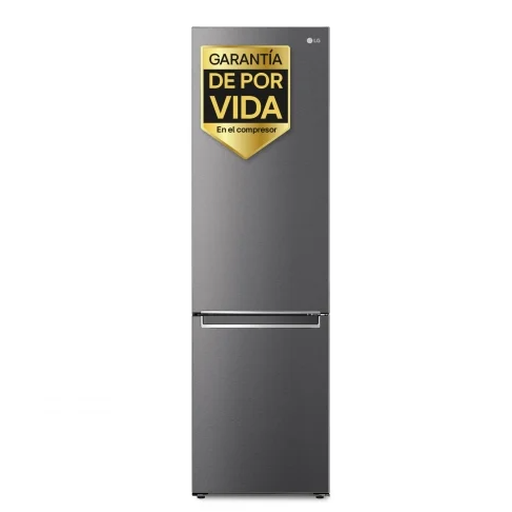
Why it's a good fit: With 384 litres of total capacity, there's plenty of room for a family's weekly groceries. The flexible layout and special drawers for fruits and vegetables make it easy to keep everything organised and fresh.
This model combines a large capacity with a smart layout. The No Frost technology is supported by a Multi-Air Flow system, ensuring effective and even cooling without ice formation.
The Smart Inverter Compressor is quiet and energy-efficient, keeping long-term running costs low. According to LG, this results in fewer temperature fluctuations.
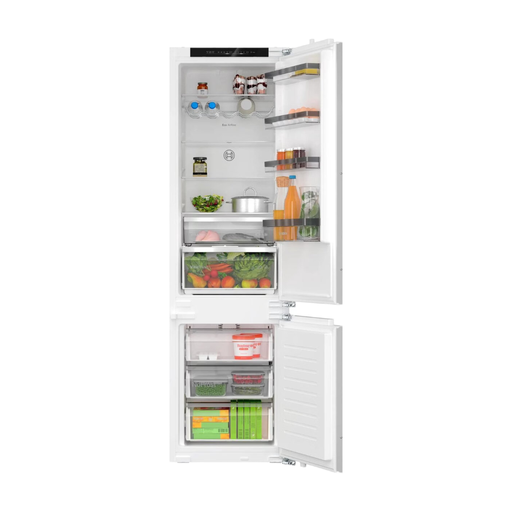
Why it's a good fit: Perfect for those who want a seamless and quiet kitchen. At 34 dB, this integrated model is very quiet and fits into many modern kitchens thanks to its XL niche size. The sleek integration ensures a clean, uncluttered look.
This model delivers what it promises: quiet and efficient operation. It avoids the pitfall of noisy 'budget' integrated models. The NoFrost technology and separate cooling circuits prevent ice build-up and odour transfer.
The VitaFresh XXL <0°C> drawers provide a climate where meat, fish, fruits, and vegetables stay fresh longer, according to Bosch. Its low noise level of 34 dB makes it ideal for open-plan kitchens.
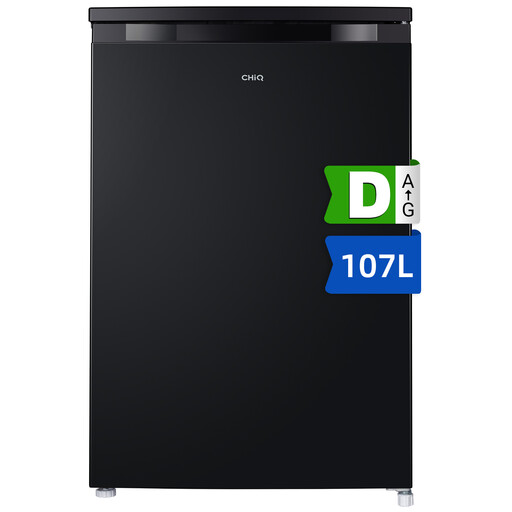
Why it's a good fit: Ideal for single-person households, students, or as a secondary fridge. With a compact size and a 107-litre capacity, it fits almost anywhere without sacrificing a separate freezer compartment.
This model is honest about its compact size and focuses on efficiency in a small space. Its D energy label is respectable for a table-top model and avoids the pitfall of an unexpectedly high energy bill.
The noise level of 39 dB is relatively quiet for a compact model, so it won't be disruptive in a studio or small living space. The temperature is flexibly adjustable.
We've compiled a complete, up-to-date list of models that meet strict selection criteria and local regulations.
With a door-on-door system, the furniture door is mounted directly onto the refrigerator door. They form a single unit and open together. With a sliding door system, both the refrigerator door and the furniture door have their own hinges. They are connected by a slider. The door-on-door system is generally considered to be more robust.
Consumption depends on the energy class and size. An average energy-efficient fridge-freezer with the new D energy label (around 200-250 kWh per year) will cost you approximately €60-€75 per year in electricity (based on a rate of €0.30/kWh). An older model with an F label can easily consume double that amount.
The average lifespan of a fridge-freezer is about 10 to 15 years. Its longevity is influenced by the quality of the compressor, maintenance (such as keeping the condenser at the back clean), and the intensity of use. Models with an inverter compressor often have a longer lifespan because the motor experiences less wear and tear.
