
Host serving lots of chilled food
Wants to keep cheese and everyday shopping organised and chilled at the same time. The Voedingscentrum recommends setting your fridge to 4 °C; you can check the temperature with a fridge thermometer.


First, make sure there’s enough usable fridge space for your cheese packaging as well as your everyday shopping. Check that you can set the fridge to 4 °C and measure its temperature. Then compare freezer capacity, external dimensions and annual energy consumption. Soft cream cheese is less suitable for freezing, while freezing grated cheese may be an option. If you only need extra space for the occasional gathering, weigh up a larger fridge-freezer against a second fridge that you only switch on for parties.
Wants to keep cheese and everyday shopping organised and chilled at the same time. The Voedingscentrum recommends setting your fridge to 4 °C; you can check the temperature with a fridge thermometer.
Needs a freestanding appliance to fit the available space, or a built-in model to suit the existing housing and door mounting. Compare both the dimensions and fridge capacity.
Uses the appliance all year round and wants to balance the required fridge and freezer space against annual energy consumption. Milieu Centraal recommends only switching on a second fridge for parties, or considering one larger appliance.
A good fit if: you’ll make use of the extra fridge space after gatherings too, and have room for a freestanding appliance.
Bear in mind: compare fridge capacity, layout, external dimensions and annual energy consumption. A larger total capacity doesn’t automatically mean more shelf space for cheese.
A good fit if: limited installation width or an existing housing is the deciding factor, and the cheese packaging will fit in the fridge compartment.
Bear in mind: a slim freestanding model and a built-in model require different installations. For built-in models, also check the housing dimensions and door mounting.
A good fit if: you only run short of space for occasional gatherings and your existing fridge has enough room for everyday storage.
Bear in mind: a second fridge takes up space and uses electricity while it’s switched on. Milieu Centraal recommends only switching it on for parties.
The Voedingscentrum recommends a fridge temperature of 4 °C. Check it with a fridge thermometer and compare fridge capacity separately from freezer capacity.
| What to consider | What to check before buying | Who is this important for? |
|---|---|---|
| Temperature for chilled cheese | Check that the fridge can be set to 4 °C, and measure the temperature with a fridge thermometer. | If I want to keep cheese chilled during a gathering, I need to be able to check the temperature. Around 33% of consumers in this situation put reliably chilled food first. |
| Usable fridge space | Compare the fridge compartment’s capacity and shelf layout with the dimensions of your packaging; don’t count freezer capacity as fridge space. | If the fridge needs to hold everyday shopping as well as cheese, I’ll focus on the usable fridge space. Around 27% of consumers put extra fridge space first. |
| Appliance fit | Measure the installation space. For built-in models, check the housing dimensions and door mounting for the exact model. | If my kitchen has limited space or an existing housing, the appliance needs to fit properly. Around 20% of consumers put fitting the kitchen first. |
| Energy consumption for everyday use | Compare the annual consumption in kWh of models that offer enough fridge space, as well as their label and capacity. | If I’ll be using the fridge all year round, I want to take its energy consumption into account, rather than relying on the energy label letter alone. Around 13% of consumers put everyday energy consumption first. |
| Freezer space for specific types of cheese | First decide which types of cheese you want to freeze, then check the freezer capacity and temperature settings. | If I want to save portions for freezing later, I’ll first check the advice for that particular type of cheese. Around 7% of consumers put freezing suitable portions first. |
Total capacity also includes the freezer compartment, but cheese for a gathering usually needs to be kept chilled in the fridge.
Compare fridge and freezer capacity separately, and check whether the shelves suit your packaging.
Storage advice varies by type. The Voedingscentrum says soft cream cheese is less suitable for freezing, while freezing grated cheese may be an option.
Decide which cheese you want to store and check the advice for that specific type before making freezer space a deciding factor.
The energy label also shows annual consumption and the capacity of the fridge and freezer compartments.
Compare the annual energy consumption of appliances that genuinely offer enough space.
Housing dimensions and door mounting are separate product specifications, and determine whether the model will fit in the intended space.
Before choosing, check both details for the exact model against your kitchen.
The specifications listed apply to the models below and don’t necessarily reflect every product from the same brand.
Freestanding fridge-freezers for comparing separate fridge and freezer capacities, external dimensions and maintenance features.
Freestanding models such as the GBBS322CPY are worth considering if you want to compare options with a larger total capacity.
Freestanding fridge-freezers, including slimmer models with a bottom freezer.
Freestanding and built-in models for comparing features such as housing, capacity and door mounting.
These product picks are suited to extra chilled storage, different kitchen sizes and year-round use.
 No image available
A compact option if you’re looking for fridge space for food portions and have limited room in your kitchen.
Fridge capacity: 187 l; freezer capacity: 73 l. The product information lists a fridge temperature range of 2–8 °C, adjustable shelves and a reversible door.
 No image available
A freestanding model to consider if you’ll use the extra fridge space at home as well as for gatherings.
Fridge capacity: 232 l. The product information lists four fridge shelves, electronic temperature control, a reversible door and a depth of 57 cm.
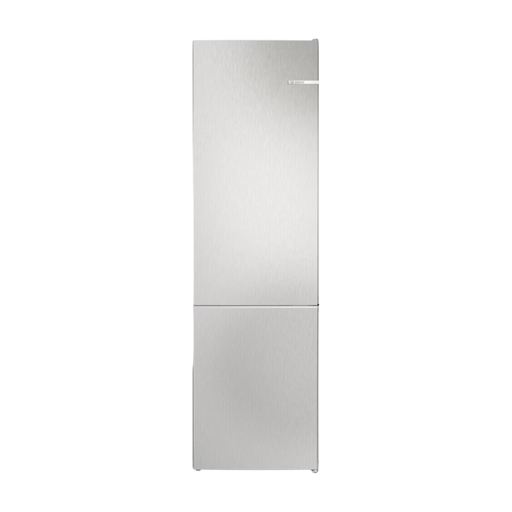 No image available
A freestanding model to compare for fridge space and annual energy consumption if you’ll keep using it after the gathering.
Fridge capacity: 260 l. The product information lists dimensions of 203 × 60 × 66.5 cm, energy rating A and annual energy consumption of 112 kWh.
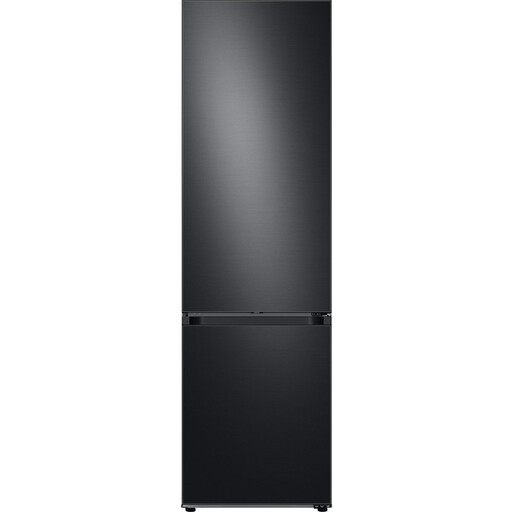 No image available
A freestanding model to compare if you need plenty of chilled storage and will use the appliance every day.
Fridge capacity: 273 l. The product information lists a total capacity of 387 l, dimensions of 203 × 59.5 × 65.8 cm and annual energy consumption of 108 kWh.
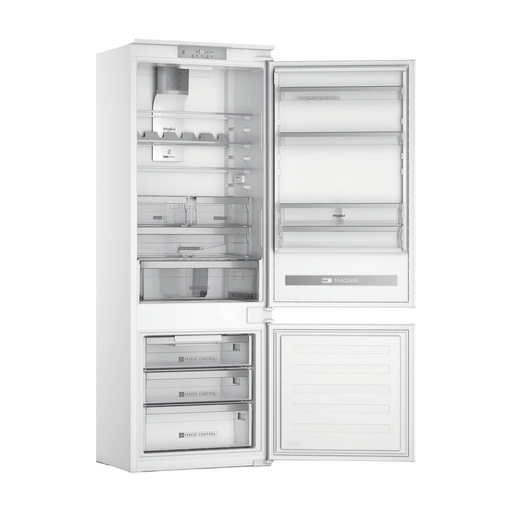 No image available
A built-in option if you have an existing housing and the specified dimensions suit your kitchen.
Fridge capacity: 299 l. The product information lists housing dimensions of 194.4 × 72 × 55 cm and installation by a qualified professional.
The Voedingscentrum recommends setting your fridge to 4 °C and checking the temperature with a fridge thermometer. Also follow the storage advice for the specific type of cheese and the instructions on the packaging.
No, consider each type of cheese separately. The Voedingscentrum says soft cream cheese is less suitable for the freezer, and recommends freezing as an option for grated cheese that needs to be stored for longer. It recommends a freezer temperature of at least −18 °C.
Compare the housing dimensions and door mounting for the exact model with your kitchen. According to the manufacturer, the Liebherr ICBNci 5663 requires a housing measuring 194–195 × 56–57 × 55.0 cm and uses door-on-door mounting. These dimensions don’t automatically apply to other models.
Yes. The Rijksoverheid describes energy labels for household appliances as compulsory, and the European Commission explicitly lists fridges and freezers as appliances covered by energy labelling rules. The label shows details including the rating, annual energy consumption and the capacity of both compartments.
Compare the annual energy consumption in kWh shown on the energy label, and ask about any delivery or installation charges before buying. According to ACM ConsuWijzer, if a product breaks too soon under normal use, the seller must provide a free solution under the law.