
People sharing portions of cheese
You want a clearly labelled, covered space for each person and the ability to check the temperature when several people use the same fridge. The Netherlands Nutrition Centre recommends setting the fridge to 4 °C.


First, choose enough usable fridge space to store labelled, packaged portions of cheese. Then compare the freezer capacity you need, the external dimensions and the annual energy consumption. A compact fridge-freezer may be sufficient if you share a small amount of food, while a larger model with separate shelves and freezer drawers offers more ways to organise things if you shop together. Once it’s in place, use a thermometer to check that the fridge compartment is cold enough where you store your food.
You want a clearly labelled, covered space for each person and the ability to check the temperature when several people use the same fridge. The Netherlands Nutrition Centre recommends setting the fridge to 4 °C.
You store other chilled products and frozen food as well as cheese. The layout of the shelves and freezer drawers can help you decide whether a larger fridge-freezer is right for the amount you keep.
You need to weigh up the external dimensions, door swing and stated noise level against the space available. Milieu Centraal recommends choosing a suitable size, while the European Commission notes that the EU energy label also shows annual energy consumption.
Best for: a small amount of shared food and limited floor space or room for the door to open.
Trade-off: less fridge and freezer space can make it harder to keep everyone’s portions of cheese separate; Low Frost still means you’ll need to defrost the freezer.
Best for: housemates who store chilled products and frozen food at the same time and would benefit from separate shelves or drawers.
Trade-off: measure the space, doorway and access route. The stated total capacity doesn’t tell you how much usable space there is for individual packs.
Best for: anyone who wants to consider the separate operation of the fridge and freezer compartments as well as the layout.
Trade-off: Liebherr says DuoCooling helps prevent odours passing between the fridge and freezer compartments. This says nothing about odours passing between unpackaged food in the same fridge compartment.
| What to consider | What to look for when buying | Who is this important for? |
|---|---|---|
| Temperature and storing cheese | Check the fridge temperature and space for sealed packs. The Netherlands Nutrition Centre recommends a temperature of 4 °C and placing a thermometer on the bottom shelf. | When I store cheese for several housemates, I want to keep sealed portions clearly labelled and check that the fridge is cold enough. Around 36% of consumers prioritise storing cheese safely. |
| Layout and food supplies | Compare fridge and freezer capacities separately, and check there’s room for both the packaging and the rest of your shared food. | When we shop together, I want to know whether the cheese and other chilled products will fit alongside our frozen food. Around 29% of consumers prioritise a shared layout and suitable freezer space. |
| Annual energy consumption | Compare the annual energy consumption on the EU energy label of models that offer enough space. Milieu Centraal recommends choosing a suitable size. | When I choose a fridge that’s always on, I want to consider its annual energy consumption as well as the capacity I need. Around 21% of consumers prioritise electricity consumption. |
| Positioning and noise | Measure the height, width, depth and door opening; also compare the stated noise level. Check the climate class if the appliance will be kept in an unheated room. | In a small or open-plan kitchen, I want the appliance to fit and its stated noise level to be part of my decision. Around 14% of consumers prioritise limited space or noise. |
Fridge and freezer capacities are stated separately. The total capacity doesn’t tell you how much room there is for packs in the fridge compartment.
Compare the fridge capacity, freezer capacity and layout separately before choosing a model based on its total number of litres.
No Frost relates to ice build-up in the freezer compartment. It doesn’t replace sealed packaging or checking the temperature in the fridge compartment.
Store opened cheese in suitable packaging and check the temperature with a fridge thermometer. Also check whether a dedicated drawer is suitable for the food you want to store in it.
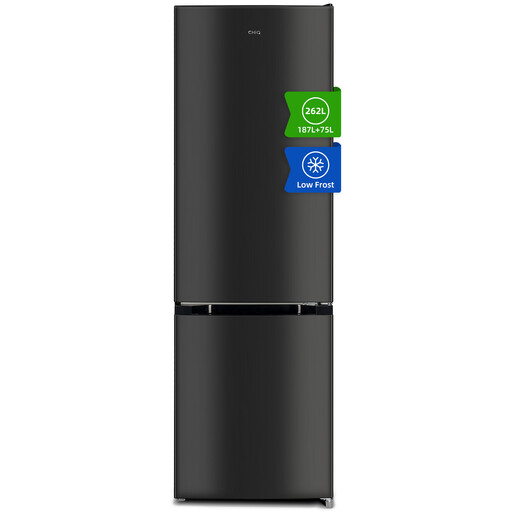
Inventum states that the freezer compartment of the KV1500S still needs defrosting around twice a year.
Choose Low Frost if you’re happy to do this; otherwise, compare it with a suitable No Frost model.
Allow time and space to defrost the freezer compartment.
The energy rating alone doesn’t show the annual consumption in kWh. This is also worth considering when comparing different sizes.
Compare the annual energy consumption on the EU energy label of appliances that offer enough fridge and freezer space.
The KV1500S and KV1850W show how the fridge and freezer capacity you need can vary between a more compact and a larger fridge-freezer.
The freestanding KGN36NWCK is an example of a taller fridge-freezer with separately stated fridge and freezer capacities.
The CNsfd 5204 is an example of a model for anyone who wants to consider separate fridge and freezer circuits.
These product options are freestanding fridge-freezers for shared chilled and frozen food. Compare the stated capacities and dimensions with the amount you store and the space available.
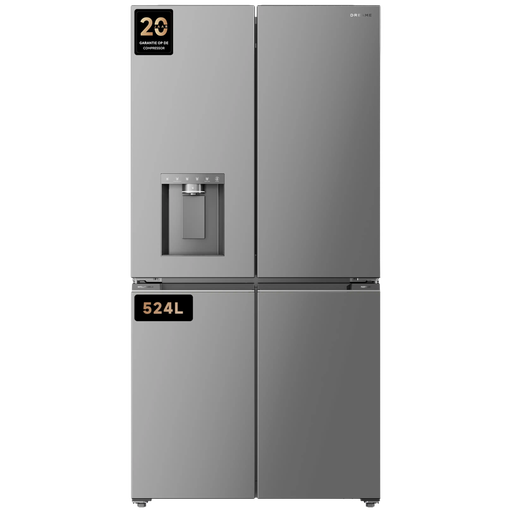 No image available
The separately stated fridge and freezer capacities may be useful for shared food supplies that include several portions of cheese.
Fridge capacity: 308 l; freezer capacity: 203 l.
Stated annual energy consumption: 321 kWh.
Dimensions: 91,1 × 69,3 × 183 cm.
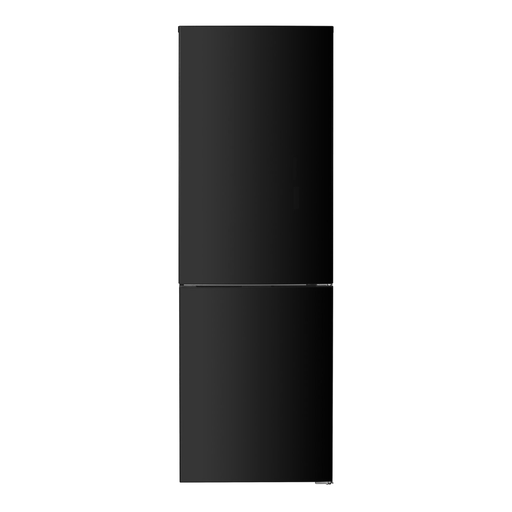 No image available
The separate fridge and freezer compartments and the stated number of shelves are useful if you want to organise several portions.
Fridge capacity: 210 l; freezer capacity: 83 l; four shelves.
Dimensions: 186 × 60 × 62 cm; stated noise level: 40 dB.
Stated annual energy consumption: 233 kWh.
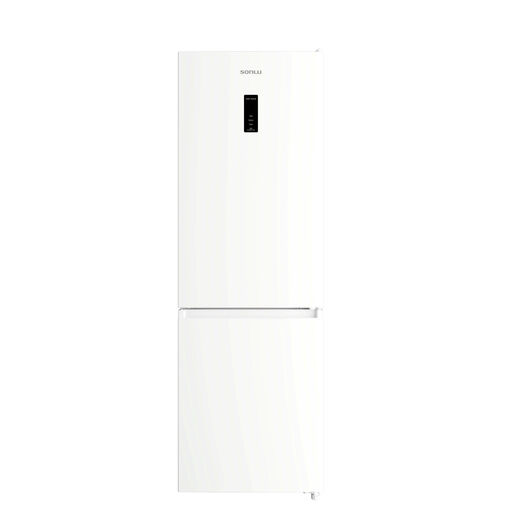 No image available
The separately stated fridge and freezer capacities help you decide whether this model suits chilled portions and frozen food.
Fridge capacity: 211 l; freezer capacity: 99 l.
Width: 60 cm; reversible door; electronic temperature control.
The product title lists energy class E.
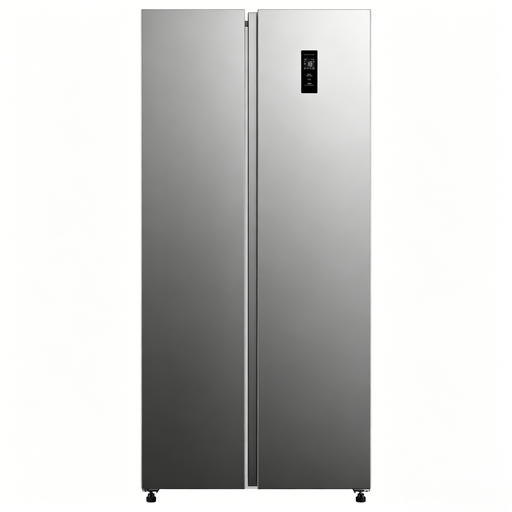 No image available
The separate compartments provide fridge and freezer space for shared food supplies; check that the width suits your kitchen.
Fridge capacity: 276 l; freezer capacity: 168 l.
Width: 83 cm; stated noise level: 40 dB.
The product title lists energy class E.
 No image available
The adjustable shelves and separate freezer compartment can help you organise chilled portions and frozen food separately.
Stated noise level: 39 dB; four-star freezer rating.
Door: reversible; shelves: adjustable.
Not as a rule: follow the storage advice for the type of cheese and the label on any sealed packaging. The Netherlands Nutrition Centre says freezing is an option for opened hard cheese with 40%+ fat, but advises that soft cream cheese is less suitable for freezing.
Set the fridge to 4 °C and check the temperature with a fridge thermometer. The Netherlands Nutrition Centre recommends placing the thermometer in the middle of the bottom shelf.
First check whether the ambient temperature is suitable for the climate class and the instructions for the specific model. The Consumers’ Association recommends checking the climate class when placing an appliance in an unheated room.
Since 1 March 2021, the EU energy label has used the A–G scale and shows, among other things, annual energy consumption, fridge and freezer capacities, and noise level. The European Commission recommends using it to compare the label for the exact model.