
Vandaag of morgen in huis

Kwaliteit gegarandeerd

Welkomstaanbiedingen ontgrendelen: GRATIS bezorging | Tot 80% korting | Gratis 30 dagen JoyPlus-proefperiode
Download de app
Buying a fridge freezer might seem straightforward – until you realise how many models look the same. A low price can be tempting, but the wrong size, an awkward door or a freezer compartment that’s too small will soon become frustrating. What’s more, terms like No Frost, Low Frost and energy efficient aren’t always used consistently.
That’s why the Joybuy Product Recommendation Officer advises you to focus on verifiable specifications rather than marketing claims. This way, you’ll find a fridge freezer combination, a fridge freezer combo or a compact fridge that’s right for your home.
A 260-litre model may offer plenty of space, but the split between the fridge and freezer sections makes all the difference. If you mainly store fresh groceries, a roomier fridge is more useful. For a household that freezes meals, a larger freezer compartment is far more practical.
So always check each separately:
A freestanding fridge needs ventilation space all around. Don’t just measure the alcove – also check the doorway, stairs, lift and the route you’ll take to get it in. Also make sure the door can open fully and that the hinge is on the correct side.
A fridge with a reversible door offers more flexibility. That’s not always the case with built-in models. The Frilec BERLIN279-E-NF-080E, for example, has a fixed door opening direction and is designed for an alcove of 178 cm with a sliding door system.
Look at the energy label from A to G and also check the annual consumption in kWh. An energy class alone doesn’t tell the whole story. A large American-style fridge may use more electricity because of its size than a small energy-efficient fridge, even if their labels are similar.
For noise, the value in dB(A) is key. Models rated around 37 to 39 dB are described as relatively quiet in the product information, but the actual noise can depend on the floor surface, ventilation and compressor cycles.
For a single-person household or a student, a mini fridge of around 40 to 50 litres may be enough for drinks and daily essentials. A compact fridge of roughly 90 to 130 litres often fits well in an office, studio or small kitchen. For a multi-person household, a fridge freezer combination of around 200 to 320 litres is usually more suitable.
Bear in mind that a mini fridge typically doesn’t have a proper freezer compartment. A small internal ice box is not the same as a separate 4-star freezer.
With a No Frost fridge, according to the product specification, cold air is circulated throughout the appliance and moisture is removed, so manual defrosting is reduced or not needed at all. Check whether No Frost applies to both the fridge and freezer sections.
Low Frost limits ice build-up according to the product description, but it doesn’t automatically mean you’ll never need to defrost. For the CHiQ JR205LSE and JR227LSE, manual defrosting is stated on the product data sheet. That’s an important difference from fully automatic No Frost systems.
The European energy label includes:
Don’t place a fridge directly next to an oven, radiator or in direct sunlight. Make sure ventilation openings are kept clear and adjust the levelling feet correctly. A stable, level surface also helps reduce vibrations and door issues.
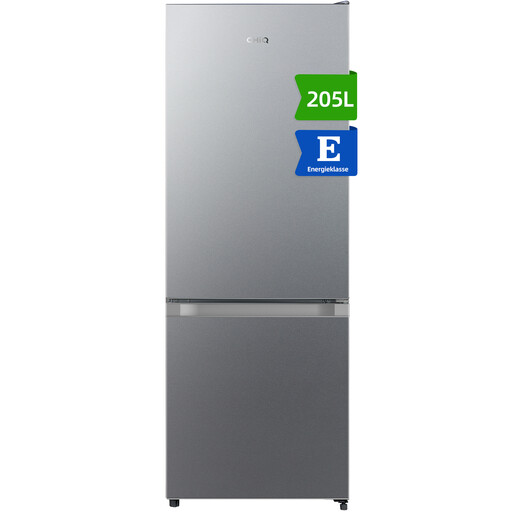
Why it fits this profile: The combination offers 153 litres of fridge space and 52 litres of freezer space with a width of 54 cm. That suits single people, couples and smaller kitchens.
The product information lists the separate fridge and freezer capacities, 39 dB and Low Frost. This means you can assess the space and maintenance requirements more accurately beforehand.
205 litres total, reversible door, adjustable feet and energy class E.
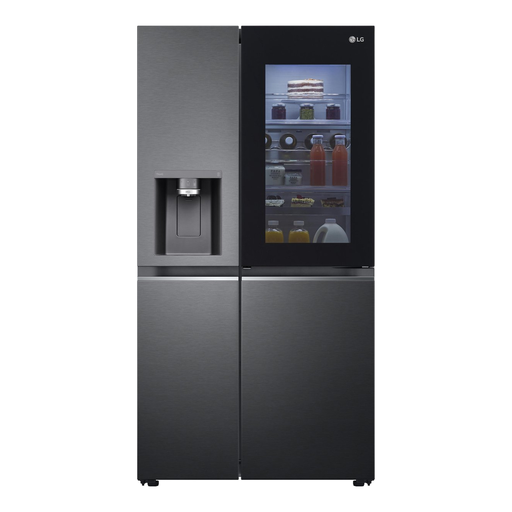
Why it fits this profile: With a total capacity of 635 litres, a water and ice dispenser and digital features, this model is designed for spacious kitchens and households that store large quantities.
The generous dimensions and weight of 137 kg make it clear you need to check doorways and installation beforehand. This prevents you from making the wrong purchase for a small kitchen.
416 litres fridge space, 219 litres freezer space, 36 dB and an annual stated consumption of 348 kWh.
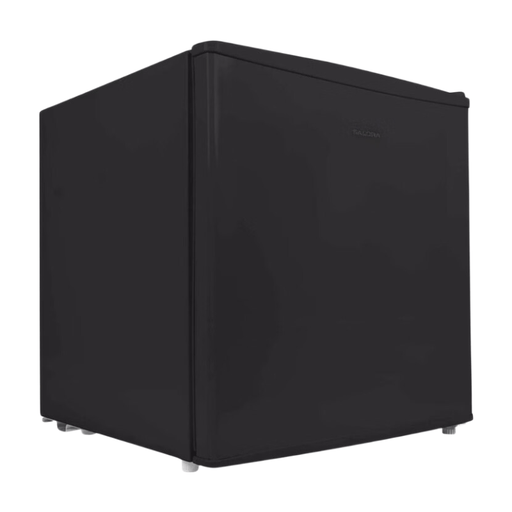
Why it fits this profile: This 43-litre mini fridge is ideal for a student room, office, bedroom or minibar where you mainly need to chill drinks and small snacks.
The 43-litre capacity makes it clear this isn’t a main fridge for a family. The limited size prevents unrealistic expectations.
Freestanding design, small ice box, 41 dB and 107 kWh stated annual consumption.
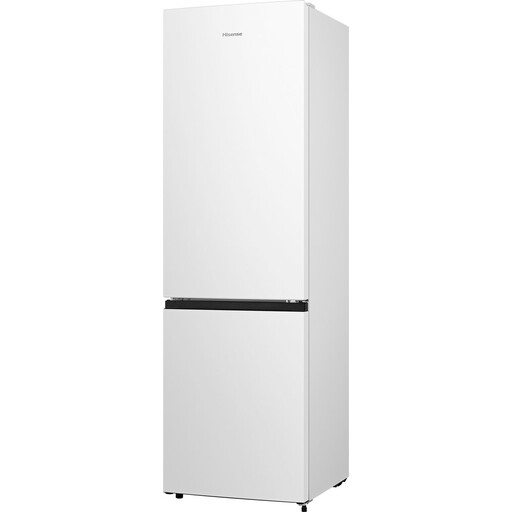
Why it fits this profile: With a capacity of 255 litres, a width of 55 cm and bottom freezer drawers, it offers a practical balance for a family without needing a very wide American-style fridge.
The product information states 188 litres of fridge space, 67 litres of freezer space, Total No Frost and a reversible door. This makes maintenance, layout and placement clearer from the start.
38 dB, 4-star freezer compartment, Fast Freeze, 0° Cooling Plus drawer and energy class E.
We’ve put together a full, up-to-date list of products that fully meet these strict selection criteria and comply with current European safety regulations.
That depends on your shopping habits. For two people, a total of around 180 to 260 litres is often practical. If you cook with fresh ingredients often, you’ll need more fridge space; if you freeze batches of food, it’s better to choose a larger freezer compartment.
Not automatically. The annual energy consumption on the energy label is the relevant comparison. No Frost can reduce maintenance, while Low Frost generally promises less ice build-up than a traditional system. Always compare kWh per year, capacity and features together.
The lifespan depends on usage, ventilation, maintenance and the quality of the components. A clean door seal, enough space around the appliance and a stable position all help it run correctly. Also check the warranty terms, which vary by manufacturer and model.
