
Vandaag of morgen in huis

Kwaliteit gegarandeerd

Welkomstaanbiedingen ontgrendelen: GRATIS bezorging | Tot 80% korting | Gratis 30 dagen JoyPlus-proefperiode
Download de app
A fridge freezer is usually a purchase you’ll live with for several years. Yet many product pages focus mainly on colour, smart features or total capacity. As a result, it’s easy to overlook important details. Will the appliance fit through your doorway? Is the net capacity large enough? And how much will it cost to run each day at current energy prices?
Use this practical buying guide to compare a fridge freezer, a freestanding fridge freezer or an American-style fridge freezer using verifiable specifications. That way, you can avoid paying for features you’ll rarely use.
A fridge freezer might list a total capacity of 333 litres, for example, but that space is split between the fridge and freezer compartments. So always check the net capacity of both compartments. If you often cook with fresh ingredients, you may benefit from a larger fridge compartment. If you freeze lots of meals, focus instead on freezer capacity and the number of drawers.
A freestanding fridge freezer needs ventilation space. As well as checking its width, height and depth, consider:
An American-style or side-by-side fridge freezer is often considerably wider than a standard model. So measure not just the space in your kitchen, but also the route to it.
A No Frost fridge freezer reduces ice build-up and generally removes the need for manual defrosting. That’s convenient, but it doesn’t automatically tell you how much energy the appliance uses overall. Always check the energy rating, annual consumption in kWh and noise level.
Claims about keeping food fresher for longer or cooling it evenly should also be considered in context. According to the brands’ own information, systems such as DoorCooling+, Multi Air Flow and similar technologies can help reduce temperature fluctuations. Your actual experience will depend on factors including how full the appliance is, the room temperature and how often you open the door.
A compact fridge freezer may be enough for one or two people. A model with around 300 litres of fridge freezer capacity is often suitable for a household that shops regularly and doesn’t store large quantities of food. Families and keen cooks who need space for groceries, dishes and large packs may want to look at models around 330 to 360 litres.
A 500-litre fridge freezer is mainly suited to larger households, bulk shopping and frequent entertaining. Bear in mind the external dimensions and higher purchase price. A large capacity is only useful if you’ll actually use the space.
The EU energy label runs from A to G. Also compare the stated annual energy consumption in kWh. This figure is more useful for estimating running costs than the letter on the label alone.
Examples from the selected models:
Your actual costs will depend on your energy tariff and how you use the appliance. An energy-efficient fridge freezer may be a good choice for everyday use, but always compare the purchase price and capacity too.
Noise is more noticeable in an open-plan kitchen or studio flat. Models with a stated level of 35 to 40 dB(A) are easy to compare; a lower figure generally means less noise under the manufacturer’s test conditions.
Also look for:
A fridge freezer with a water and ice dispenser also calls for careful consideration of the water supply, filters, maintenance and space in front of the appliance.
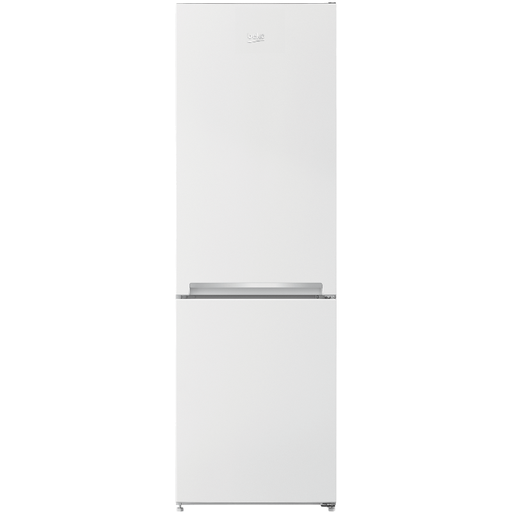
Why it suits this profile: This compact model is 54 cm wide and has a net capacity of 251 litres, according to the product specifications, split between 173 litres of fridge space and 76 litres of freezer space. The white finish and reversible door make it suitable for a range of kitchen layouts.
The stated net capacity, layout and dimensions make it easier to compare this model than if you relied on total capacity alone. No Frost also reduces the need for manual defrosting.
38 dB(A), four adjustable shelves, three door shelves, a salad crisper and two transparent freezer drawers.
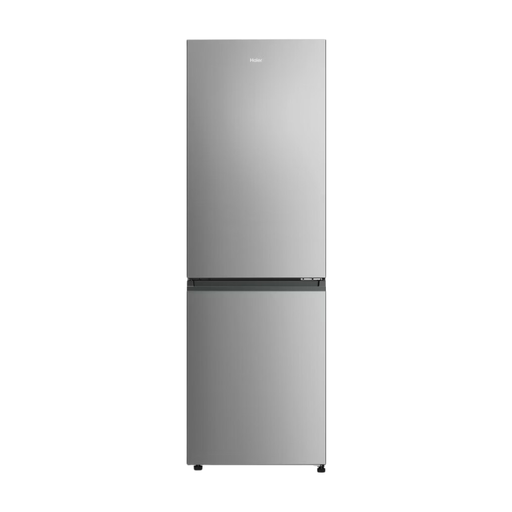
Why it suits this profile: With a net capacity of 355 litres, an A energy rating and a noise level of 35 dB(A), this model is well suited to households that cook every day and value a quiet, well-organised fridge freezer.
The annual consumption of 110 kWh and net capacity are clearly stated. This makes it easy to compare running costs and capacity, rather than focusing only on the energy rating.
No Frost in both compartments, 235 litres of fridge space, 120 litres of freezer space and an adjustable 0 °C fresh food zone.
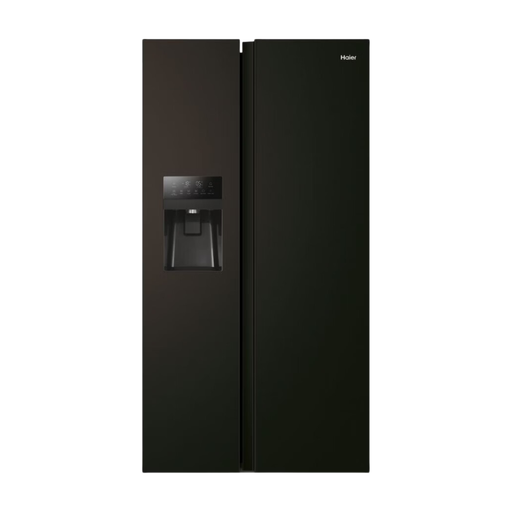
Why it suits this profile: With a total capacity of 511 litres, including 333 litres of fridge space and 178 litres of freezer space, this model is designed for larger households, bulk shoppers and people who often have guests over.
The dispenser comes with a stated water connection requirement and filter maintenance needs. So check the installation space and available water pressure in advance.
Water, ice cubes and crushed ice, Total No Frost, a freezing capacity of 10 kg per 24 hours and a stated noise level of 40 dB(A).
We’ve put together a full, up-to-date list of products that meet these strict selection criteria and current European safety regulations.
Around 250 litres of net capacity may suit a smaller household. Families often look for 300 to 360 litres. A model of around 500 litres is mainly intended for larger households and those who like to stock up. Always check how the capacity is split between fridge and freezer space before deciding.
Lifespan varies by brand, model, usage and maintenance. Keep the ventilation openings clear, check the door seals and avoid placing the appliance next to a heat source. Follow the manufacturer’s installation and maintenance instructions. Your statutory rights regarding conformity and any manufacturer’s warranty are separate from general expectations about lifespan.
No Frost prevents or reduces ice build-up, which means less maintenance. The system doesn’t automatically mean an appliance uses less electricity. So always compare both the energy rating and annual consumption in kWh. Also consider the capacity: a larger appliance may use more energy than a smaller model, even if it has a better energy rating.
