
The forward planner
Wants to freeze grated cheese in portions ahead of a shared meal and needs a suitable freezer compartment with clearly organised storage. The Netherlands Nutrition Centre recommends a temperature of at least −18 °C for freezing.


Choose a fridge-freezer whose freezer compartment can be set to −18 °C and reach that temperature; the Netherlands Nutrition Centre says that one- and two-star freezer compartments cannot do this. Then work out how much separate fridge and freezer space you need, and compare the external dimensions and annual energy consumption. A larger model or a better energy rating isn’t automatically the right choice.
Wants to freeze grated cheese in portions ahead of a shared meal and needs a suitable freezer compartment with clearly organised storage. The Netherlands Nutrition Centre recommends a temperature of at least −18 °C for freezing.
Needs to weigh up the external dimensions against the space available for chilled and frozen groceries. Milieu Centraal recommends working out how much space you need in advance.
Uses the appliance every day and wants to balance the capacity they need against annual electricity consumption. The European Commission explains the EU energy label for fridges and freezers, which uses a scale from A to G and shows consumption in kWh per year.
First check that the freezer compartment is suitable for freezing cheese. Then compare the capacity and external dimensions you need with the annual energy consumption.
| What to consider | What to look for when buying | Who is this important for? |
|---|---|---|
| Suitable freezer compartment | Check whether the freezer compartment on the exact model can be set to −18 °C and reach that temperature. The Netherlands Nutrition Centre recommends −18 °C for freezing. | If I want to freeze cheese in portions ahead of time, I need to know that the freezer compartment can reach the required temperature. Around 40% of consumers rank suitability for freezing as their top buying priority. |
| Installation dimensions and capacity | Measure the available space and the route for getting the appliance in; then compare the separate fridge and freezer capacities. | With limited kitchen space, I need the appliance to fit and still have enough room for my other groceries. For around 30% of consumers, suitable external dimensions and usable capacity are their top buying priority. |
| Annual energy consumption | Compare the energy label and stated consumption in kWh per year for models that fit your space and capacity needs. | If I use the appliance every day, I want to take energy consumption into account without compromising on the space I need. Around 30% of consumers put annual energy consumption first. |
According to the Netherlands Nutrition Centre, one- and two-star freezer compartments cannot reach the recommended −18 °C. So simply having a freezer compartment doesn’t mean it’s suitable for freezing cheese.
Before buying, check the freezer function and temperature setting for the exact model; don’t treat No Frost as proof that it can reach the required temperature.
The EU energy label shows separate fridge and freezer volumes, as well as annual consumption in kWh. Total capacity doesn’t tell you how much space is available in the freezer compartment.
Compare the separate volumes and annual kWh consumption of models that fit in your kitchen.
A matching brand name or model range doesn’t confirm that the full model code and key specifications are the same.
Before buying, check the full model code and the freezer specifications for that version on the product page.
A useful benchmark if you’re comparing freestanding models with separately stated fridge and freezer capacities and clear external dimensions.
A useful benchmark if you’re looking for a narrower freestanding fridge-freezer.
A useful benchmark if you’re comparing a model with a higher stated total capacity and an A energy rating.
A useful benchmark if you’re considering more overall storage space and have room for a wider appliance.
This selection features freestanding fridge-freezers with separately stated freezer space. Check whether each model’s freezer compartment can reach the −18 °C needed for freezing.
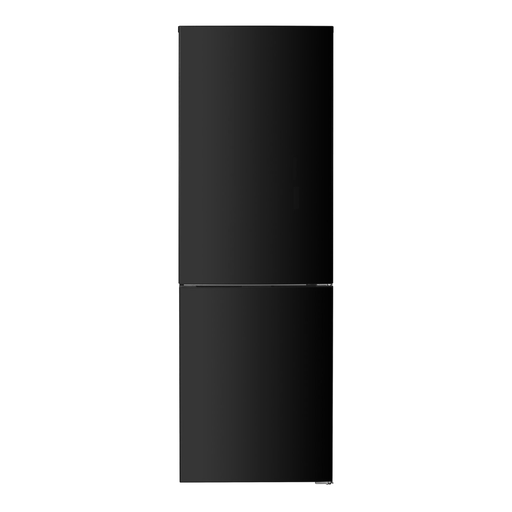 Image unavailable
For separate fridge and freezer storage; before buying, check that this model can be shown to reach −18 °C.
Freezer capacity: 83 l; fridge capacity: 210 l; total capacity: 293 l.
E energy rating; stated consumption: 233 kWh per year.
External dimensions: 186 × 60 × 62 cm. No Frost.
 Image unavailable
The stated freezer temperature range is −15 to −22 °C, which includes −18 °C.
Freezer capacity: 73 l with three freezer drawers; fridge capacity: 187 l.
Stated freezing capacity: 3,3 kg per 24 hours. External dimensions: 545 × 545 × 1823 mm. E energy rating.
According to the product information, this model must be defrosted manually.
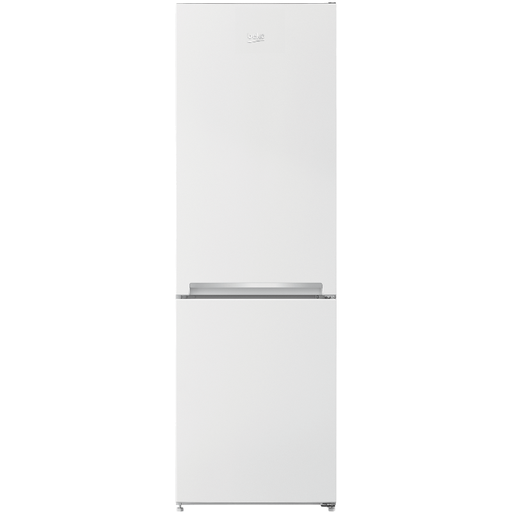 Image unavailable
For a narrower space, with separate fridge and freezer compartments; check whether this exact model can reach −18 °C.
Freezer capacity: 76 l with two drawers; fridge capacity: 175 l; total capacity: 251 l.
Width: 54 cm. E energy rating; stated consumption: 204 kWh per year. No Frost.
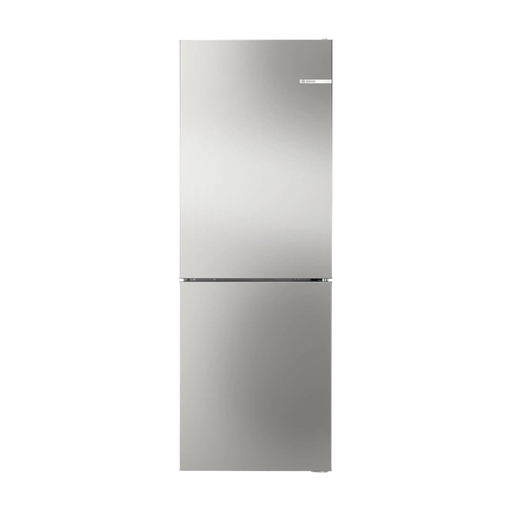 Image unavailable
Has a separate freezer compartment and a four-star rating; check the temperature setting for this model and whether it reaches −18 °C.
Freezer capacity: 90 l with three freezer compartments; total capacity: 308 l.
Stated freezing capacity: 11 kg per 24 hours. D energy rating; stated consumption: 189 kWh per year.
External dimensions: 175,4 × 61,4 × 66,3 cm. Total NoFrost.
 Image unavailable
The product information recommends a setting of −18 °C for the four-star freezer compartment.
Freezer capacity: 52 l; fridge capacity: 153 l; total capacity: 205 l.
External dimensions: 540 × 550 × 1440 mm. E energy rating; stated consumption: 191 kWh per year.
Low Frost; according to the product information, this model must be defrosted manually.
The Netherlands Nutrition Centre recommends keeping opened grated cheese in the fridge for three days and in the freezer for two to four months. Its quality may deteriorate after that; for an unopened pack, follow the storage advice on the packaging.
The Netherlands Nutrition Centre recommends a freezer temperature of at least −18 °C. Check that the freezer compartment on the exact model can reach this temperature, and set the freezer accordingly when using it.
No. Also compare the stated consumption in kWh per year for models that meet your capacity and size requirements. The European Commission says that, since 1 March 2021, the EU label for household fridges and freezers has used a scale from A to G and shows annual energy consumption and storage volumes, among other details.
No. According to the Dutch government, the retailer is your point of contact if the product doesn’t meet the terms of the agreement. The retailer must resolve the issue or involve the manufacturer; any additional manufacturer’s guarantee does not replace your statutory rights.
Yes. For private purchases in the Netherlands, the retailer must take back an old, similar appliance free of charge when you buy a new one. This also applies to online purchases. Ask in advance how take-back will be arranged if the old appliance can’t be collected by the delivery driver at the same time.