
Vandaag of morgen in huis

Kwaliteit gegarandeerd

Welkomstaanbiedingen ontgrendelen: GRATIS bezorging | Tot 80% korting | Gratis 30 dagen JoyPlus-proefperiode
Download de app
A fridge freezer may seem straightforward to choose at first glance. Yet many households pay too much for features they rarely use, or only discover after delivery that the appliance will not fit through the door. A good choice therefore starts not with colour or brand, but with space, energy consumption and everyday use.
A fridge freezer with a large capacity is not automatically practical. The balance between fridge and freezer space needs to suit the way you stock up. If you mainly buy fresh groceries, you will get more use from a spacious fridge. For a household that likes to buy in bulk, freezer drawers and greater freezer capacity are more important.
Pay attention to the layout as well. A large door compartment, adjustable shelves and separate salad drawers can make more difference in practice than a few extra litres.
With a No Frost fridge freezer, cold air is circulated through the compartments and, according to the product specification, ice build-up is reduced or prevented. This can eliminate the need for manual defrosting. Low Frost reduces ice formation, but does not mean that maintenance is eliminated completely.
Check whether No Frost applies to both the fridge and freezer compartments. With compact models, such as an under-counter fridge, manual defrosting is still fairly common.
Do not just measure the space in the kitchen. Also check:
An American-style fridge freezer or side-by-side fridge freezer is often around 90 cm wide and weighs approximately 90 to 105 kg. Check in advance that delivery and installation are feasible.
As a practical starting point, you can use the following guide:
As well as the total capacity, look at how it is divided. A 205-litre model with 153 litres of fridge space and 52 litres of freezer space is suited to different needs than an appliance with a more even split.
The European energy label ranges from A to G. Pay particular attention to annual consumption in kWh per year, as two appliances with the same energy class can still have different consumption levels because of their size and technology.
An energy-efficient fridge freezer will be used for many years. A slightly higher purchase price is therefore not necessarily a disadvantage if the model has a lower stated annual consumption. Avoid making assumptions, though: actual consumption also depends on room temperature, how full the appliance is, how often the door is opened and the temperature setting.
For an open-plan kitchen, studio flat or bedroom, noise level is worth considering. Models in this selection, for example, range from around 35 to 40 dB. A lower figure generally means less noise, but testing conditions can vary between manufacturers. Look at both the dB value and the noise class on the energy label.
A fridge freezer with a water dispenser or fridge freezer with an ice dispenser can be convenient, but check how the water supply works. Some models use a reservoir, while others require a mains water connection. Remember to factor in cleaning, filters and additional installation work.
A display, Wi-Fi, rapid cooling and an inverter compressor are not worthwhile for their own sake either. Only choose these features when they suit the way you use the appliance, and check what is actually stated in the product specifications.

Why it suits this profile: The 153 litres of fridge space and 52 litres of freezer space are a good fit for a single person, couple or small household with a compact kitchen.
The dimensions of 54 × 55 × 144 cm and the reversible door make installation easier to plan. Low Frost reduces ice formation according to the product description, but defrosting may still be necessary.
Energy class E, stated consumption of 191 kWh per year and a noise level of 39 dB.
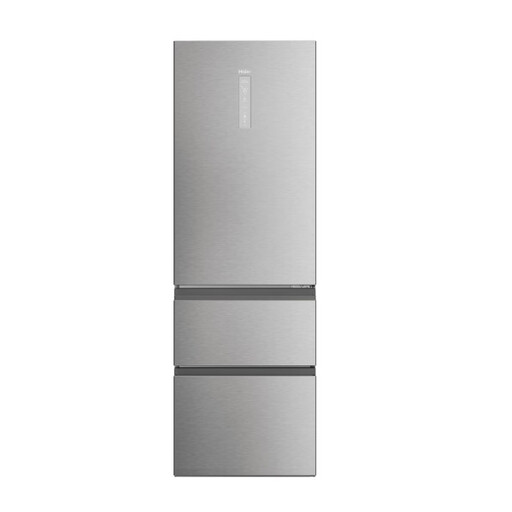
Why it suits this profile: This freestanding model combines a 360-litre capacity with a 60 cm-wide body and a freezer compartment with three drawers.
No Frost reduces the need for manual defrosting. The stated dimensions of 59.5 × 66.7 × 185 cm help you measure up realistically.
Energy class C, stated consumption of 173 kWh per year, 35 dB and digital controls.
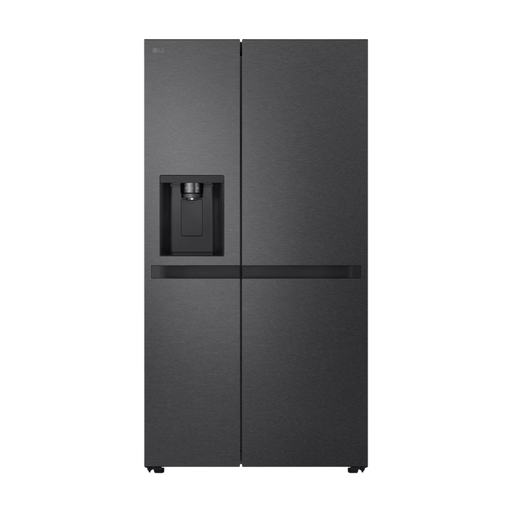
Why it suits this profile: The 420 litres of fridge space and 221 litres of freezer space provide plenty of room for larger shops and frozen-food supplies.
The specifications list Total No Frost, so manual defrosting is not part of the standard maintenance routine. Do measure the width of 91.4 cm and the weight of 105 kg.
638 litres of total capacity, 36 dB and a water and ice dispenser according to the product information.
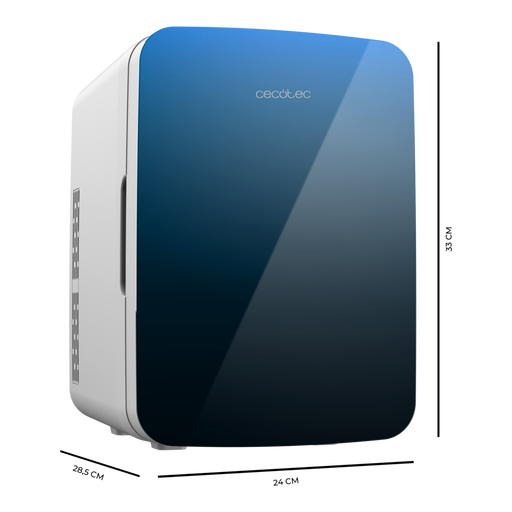
Why it suits this profile: The portable mini fridge is designed for cars, campervans, offices, bedrooms or holiday accommodation, and runs on 12V and 220V.
This is not a full-size fridge freezer. It has a 10-litre capacity and can either cool or keep items warm. This helps prevent a wrong purchase if you were considering using the model as your main fridge.
Portable design, two power voltages and a stated temperature range of 7 to 65 °C.
We have put together a complete, up-to-date list of products that fully meet these strict selection criteria and the applicable European safety regulations.
That depends on the number of people in your household and your shopping habits. A compact model may be sufficient for one person. Couples often choose around 200 to 300 litres, while families generally need more space. If you freeze a lot of food, pay particular attention to the capacity of the freezer compartment.
No Frost can reduce maintenance by preventing or reducing ice formation according to the product specification. It is particularly useful for a freezer that is opened frequently. Do check that the technology applies to both compartments, and compare energy consumption on the label.
The stated consumption is shown on the European energy label in kWh per year. A compact model may use around 85 to 210 kWh per year, for example, while a large side-by-side fridge freezer uses more because of its greater capacity. The final cost depends on your electricity tariff and actual usage.
