What should you look for?
First, measure the available space and work out how much fridge space you need for your meal. Then compare annual energy consumption and any features that make it easier to maintain the freezer compartment.
| What to consider |
What to look for when buying |
Who is this important to? |
| Keeping yoghurt cold enough |
Check whether you can adjust the fridge temperature. Once the appliance is in place, use a separate thermometer to check whether it reaches 4 °C. |
When I’m storing yoghurt for a shared meal, I want to be able to check the actual temperature rather than rely on a display alone. Around 31% of consumers prioritise keeping food sufficiently cold. |
| Usable fridge space |
Compare the fridge and freezer capacities separately, and check the layout of the shelves, door compartments and drawers. |
When I’m storing ingredients for several people, I want to know how much space there really is for chilled food. Around 25% of consumers are mainly looking for enough fridge space. |
| Getting the right size |
Measure the available space and access route, then compare them with the exact model’s height, width and depth. |
When space is limited in my kitchen, I want to know in advance whether the appliance will fit and whether the door can open properly. Around 25% of consumers consider available space the most important factor. |
| Energy use and maintenance |
Compare the annual energy consumption in kWh of models with suitable dimensions and capacity. Also check whether the freezer has No Frost if you want to defrost it less often. |
When I’m choosing an appliance that runs all the time, I want to weigh up its energy use and maintenance alongside its storage space. Around 19% of consumers prioritise running costs and maintenance. |
Fridge-freezers at Joybuy
These models vary in fridge space and external dimensions. Compare the stated capacity with your shopping and the dimensions with the space available in your kitchen.
 No image available
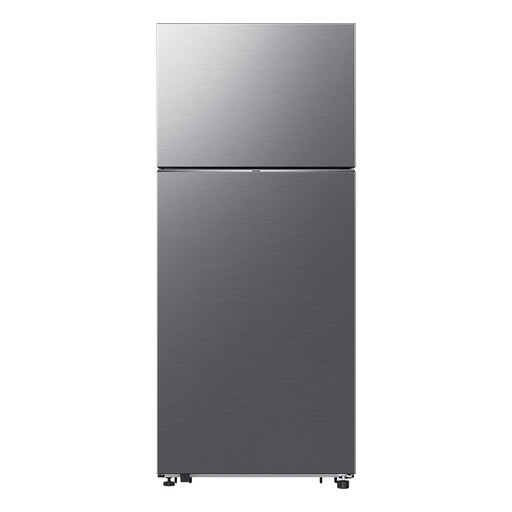
Samsung RT53DG7A14S9EF, 404 l of fridge space
Ample fridge space could suit you if you’re storing yoghurt and other fresh ingredients for several people.
404 l of fridge space and four adjustable fridge shelves. The stated external dimensions are 790 × 1855 × 725 mm; check that it will fit in the space available.
The product name lists an E energy label, No Frost and a height of 186 cm.
View on Joybuy
 No image available
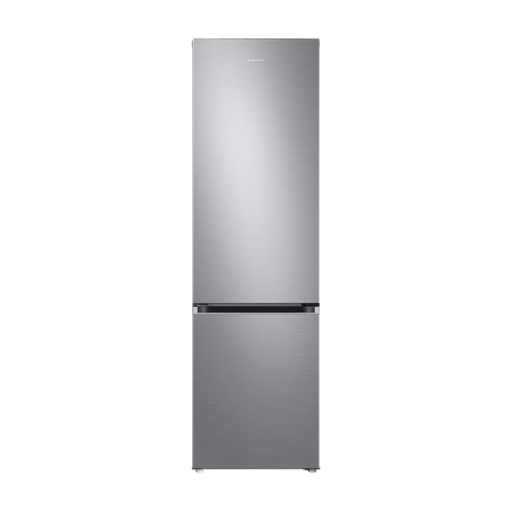
Samsung RB38C602CS9
This model could suit you if you’re looking for a fridge-freezer with adjustable temperature settings and space for chilled and frozen food.
390 l total capacity, C energy label and stated energy consumption of 169 kWh per year. It is 2030 mm tall.
The product description mentions No Frost and temperature adjustment through the SmartThings app.
View on Joybuy
 No image available
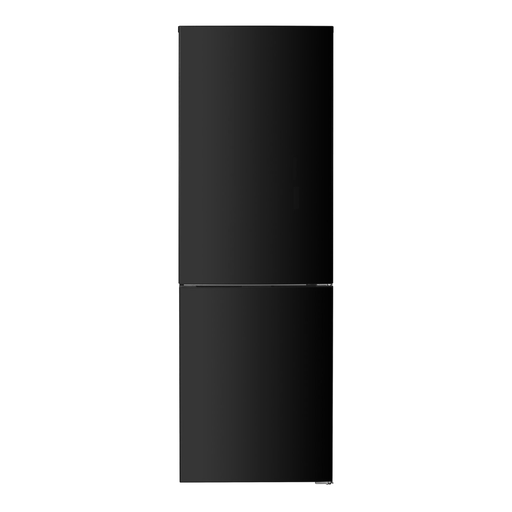
Exquisit KGC295-80-NF-041EB, 210 l of fridge space
The stated fridge capacity and shelves give you a useful indication of whether there’s room for your yoghurt and other chilled ingredients.
210 l of fridge space, 233 kWh per year and dimensions of 186 × 60 × 62 cm. The product name lists a total capacity of 293 l, an E energy label and No Frost.
The description mentions four shelves, a vegetable drawer and an adjustable temperature control.
View on Joybuy
 No image available
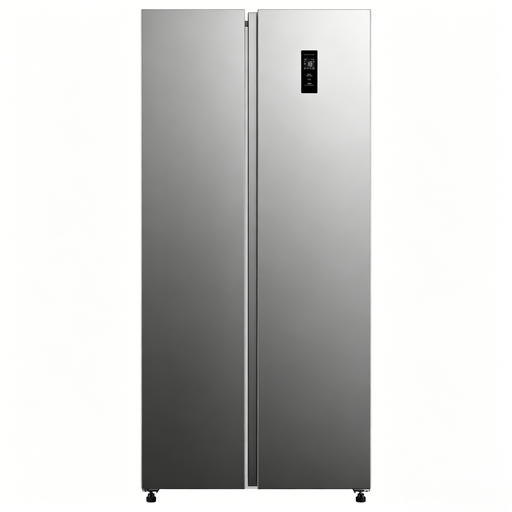
Sonlu CC-520WE, side-by-side
This model has a separately stated fridge capacity, which could suit you if you need to store several chilled ingredients. First, check that this wide design will fit in your kitchen.
276 l of fridge space and 168 l of freezer space, with a stated total capacity of 444 l. It is 830 mm wide.
The description mentions No Frost, separate digital temperature settings and a noise level of 40 dB.
View on Joybuy
 No image available
TCL RF338BSE0, 55 cm wide
Its stated width could be useful if you’re looking for a fridge-freezer to fit a narrower space. Remember to measure the clearance needed for the door as well.
187 l of fridge space and 73 l of freezer space. The product name lists an E energy label, adjustable shelves, a Fresh Zone and a reversible door.
The stated fridge temperature range is 2 to 8 °C. The description says it needs to be defrosted manually.
View on Joybuy
Frequently asked questions
What temperature should you store fresh yoghurt at, and how do you check it?
The Netherlands Nutrition Centre recommends setting your fridge to 4 °C and checking the temperature with a separate fridge thermometer on the bottom shelf. The temperature shown on the display may not match the measured temperature.
How long does an opened pack of full-fat yoghurt keep?
For opened full-fat yoghurt, the Netherlands Nutrition Centre recommends keeping it in the fridge for 5–7 days. Put the pack back in the fridge at 4 °C promptly after use, and use a clean spoon. For an unopened pack, follow the storage instructions and date on the packaging; this advice doesn’t automatically apply to every type of yoghurt.
Can you keep yoghurt for your meal in the freezer compartment?
The Netherlands Nutrition Centre says freezing full-fat yoghurt isn’t ideal, as it can change the texture. If you want to serve the yoghurt fresh, keep it in the fridge. According to the Netherlands Nutrition Centre, frozen yoghurt can still be used in dishes or drinks.
What information does a fridge-freezer’s energy label show?
According to the European Commission, the energy label shows information including the energy class, annual energy consumption in kWh, fridge and freezer capacities, and noise level. Compare the energy use of models that suit your needs in terms of size and capacity.
What warranty do you get in the Netherlands, and what can you do with your old fridge?
The Dutch government says there is no fixed statutory warranty period in the Netherlands. Your legal rights if a product develops a fault depend on what you can reasonably expect from it. When a private customer buys a new, similar appliance, the retailer must take back the old one free of charge under the ‘old for new’ scheme. Agree in advance how the handover will work when your new appliance is delivered.


