
Families who cut melon in advance
You want to have covered, chilled melon ready to serve, with room for the rest of your meal ingredients. The Netherlands Nutrition Centre recommends keeping cut melon covered in the fridge.


First, choose a fridge compartment with enough room for covered melon and the other ingredients for your meal. Check that you can set and monitor the temperature at 4 °C. The Netherlands Nutrition Centre recommends keeping your fridge at 4 °C. Then compare the space available in your kitchen, the separate fridge and freezer capacities, and the annual energy consumption shown on the label.
You want to have covered, chilled melon ready to serve, with room for the rest of your meal ingredients. The Netherlands Nutrition Centre recommends keeping cut melon covered in the fridge.
You need freezer space as well as room in the fridge for prepared melon or other meal portions. The Netherlands Nutrition Centre recommends cutting melon into pieces and removing the rind before freezing.
You need to check which built-in model, door system and ventilation clearance will work with your existing kitchen. The Consumers' Association recommends considering factors such as the layout and available space when choosing a fridge.
Start by considering the fridge space and temperature you need for the melon. Then work out how much freezer space you need and which layout will suit your household.
| What to consider | What should you look for? | Who should pay particular attention? |
|---|---|---|
| Keeping food chilled | Check whether you can set the temperature to 4 °C and monitor it in the fridge compartment. The Netherlands Nutrition Centre recommends a fridge temperature of 4 °C. | I want to keep cut melon covered and chilled, and be able to check the temperature. Around 36% of consumers rank this as their top priority. |
| Room for your meal | Compare the fridge capacity separately and check whether your own covered dish will fit on a shelf. | I want to fit the dish of melon alongside the other ingredients for my meal. Around 29% of consumers rank this space as their top priority. |
| Fitting your kitchen | Measure the appliance, access route and doorway. For a built-in model, check the niche, door system and ventilation requirements for the exact model. | I need to consider a fixed space or built-in niche before choosing a model. Around 21% of consumers rank whether it fits their kitchen as their top priority. |
| Freezing and energy use | Compare the freezer capacity with what you want to store, and check the annual kWh on the energy label as well as the energy rating. | I also want to freeze portions and take the stated annual energy consumption into account. Around 14% of consumers rank freezer use and energy consumption as their top priority. |
The total capacity in litres doesn’t tell you how much room there is in the fridge compartment or whether a covered dish will fit between the shelves.
Compare the fridge and freezer capacities separately, and measure your own storage container.
No Frost prevents ice build-up in the freezer compartment. If you want to keep cut melon chilled, it still needs to be covered and stored in the fridge.
Consider No Frost in terms of freezer maintenance, and check the fridge compartment separately.
The energy rating alone doesn’t tell you how much electricity a model is expected to use per year according to its label.
Compare the annual kWh of models that suit your needs for capacity and dimensions.
The door system and specified ventilation clearance also need to work with your existing kitchen.
Check the installation instructions for the exact model before ordering.
Bosch offers freestanding and built-in fridge-freezers. The KGN36VICT has also been reviewed individually by the Consumers' Association.
LG’s Dutch product range includes freestanding models such as the GBBS322BEV.
Inventum’s range includes freestanding models such as the KV1808B.
Samsung’s Dutch product range includes extra-wide freestanding fridge-freezers.
TCL’s Dutch product range includes fridge-freezers in various sizes.
This selection includes freestanding fridge-freezers and one built-in model for households looking to chill covered melon and other ingredients for a meal.
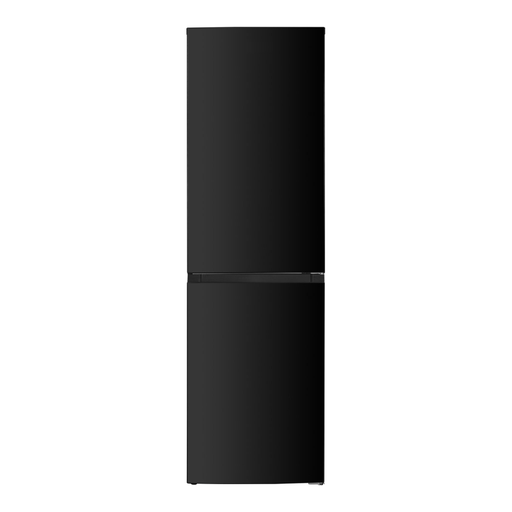 No image available
A freestanding model for keeping covered melon and other ingredients for your meal in the fridge compartment.
Total capacity: 247 litres. No Frost. Energy rating D. Colour: black.
 No image available
A freestanding model for weighing up fridge and freezer space separately when storing ingredients for your meal.
Fridge capacity: 187 litres. Freezer capacity: 73 litres. Width: 55 cm. Adjustable shelves and reversible door. Energy rating E.
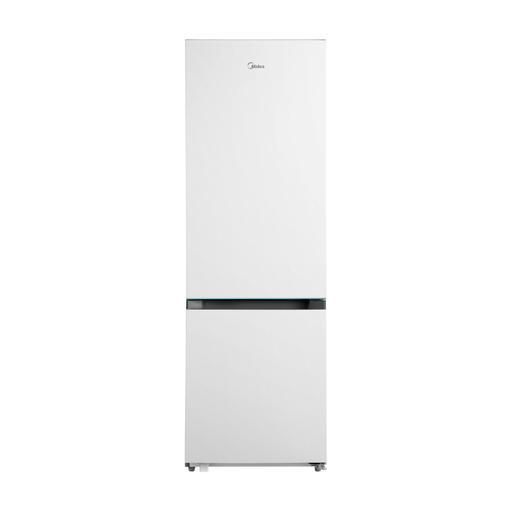 No image available
A freestanding model for anyone looking for a fridge-freezer for melon and other fresh ingredients for a meal.
Total capacity: 330 litres. Total No Frost, Multi Air Flow and Fresh Zone. Energy rating E. Colour: white.
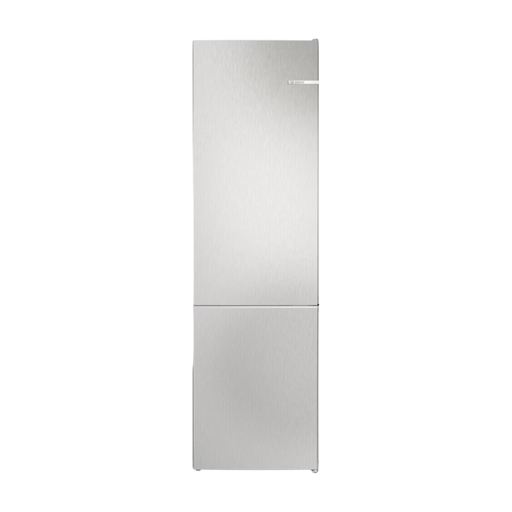 No image available
A freestanding model for anyone looking for freezer space for meal portions as well as room in the fridge.
No Frost, VitaFresh, Super Cooling and Super Freezing.
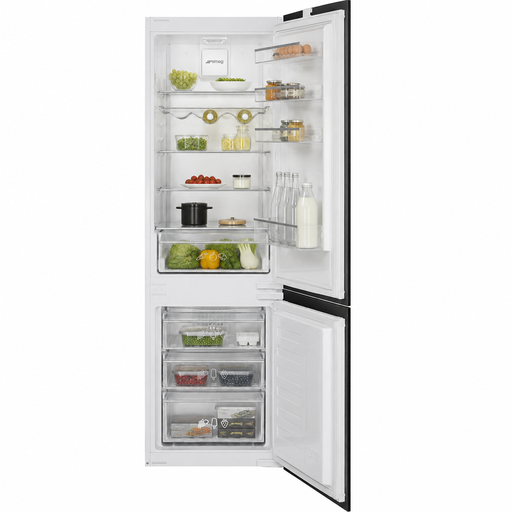 No image available
A built-in model for fitting into an existing kitchen niche. Check that the niche dimensions and ventilation clearance will work in your kitchen.
Total capacity: 262 litres. No Frost in the freezer compartment. Inverter compressor. Energy rating E. The product information specifies a 178 cm niche; follow the installation instructions for ventilation clearance.
Yes. Peel the melon and cut it into pieces before freezing. The Netherlands Nutrition Centre recommends storing the pieces in an airtight container or freezer bag. If you’re keeping melon chilled, it should be covered and stored in the fridge.
Set the fridge to 4 °C and check the temperature in the fridge compartment. The Netherlands Nutrition Centre recommends 4 °C. Simply setting the temperature doesn’t confirm what temperature your fridge reaches when in use.
Yes. The Netherlands Nutrition Centre recommends washing melon before cutting it. Remove any sand with a brush.
Compare the annual kWh on the energy labels of models that suit your needs for capacity and dimensions, as well as their energy ratings. The Sustainable Living Knowledge Centre says the label also shows the fridge and freezer capacities and noise level. To work out the cost of the electricity, you’ll also need your own electricity tariff.
That depends on the ambient temperature and the climate class of the exact model. The Consumers' Association describes climate class as the range of ambient temperatures a fridge or freezer is designed for. Check that range against the conditions where you plan to put the appliance.