
Vandaag of morgen in huis

Kwaliteit gegarandeerd

Welkomstaanbiedingen ontgrendelen: GRATIS bezorging | Tot 80% korting | Gratis 30 dagen JoyPlus-proefperiode
Download de app
A fridge-freezer may seem straightforward to choose at first. But an awkward layout, restricted door opening or higher energy use can make your purchase less suitable than expected. For a large fridge or American-style fridge in particular, the external dimensions and connections are just as important as the capacity in litres.
If you focus only on capacity or a striking display, you could run into three common pitfalls:
Measure not only the recess or the space next to your worktop, but also doors, stairs and passageways. A side-by-side fridge is often around 90 cm wide and can weigh more than 130 kg. Also check:
A standard fridge-freezer around 60 cm wide will fit in more kitchens. The Dreame Mega ProCombi 60 models, for example, are 59,5 cm wide, but vary considerably in height: 185 cm for the 409-litre version and 201 cm for the 456-litre version.
Look at the separate capacities of the fridge and freezer compartments. A spacious fridge for a family needs more than a large total capacity: it also needs a practical balance between fresh and frozen food.
An American-style fridge usually has wide compartments and plenty of door shelves. A French door fridge or 4-door fridge can divide the capacity into several zones, so you lose less cold air when you open just one section.
The European energy label runs from A to G. Always compare the annual energy use in kWh, not just the letter. A larger appliance may use more electricity than a smaller model, even if it has a good energy rating.
The noise level is shown in dB(A). For an open-plan kitchen or a home with an adjoining living room, a model around 35 to 40 dB is generally more practical than a noticeably louder appliance. Also check which features you’ll actually use:
Brands may make additional claims about freshness, energy savings or odour reduction. Don’t automatically treat these as guaranteed results. According to the brand’s own research, results may apply under specific conditions. Focus on the verifiable product specifications and the user manual.
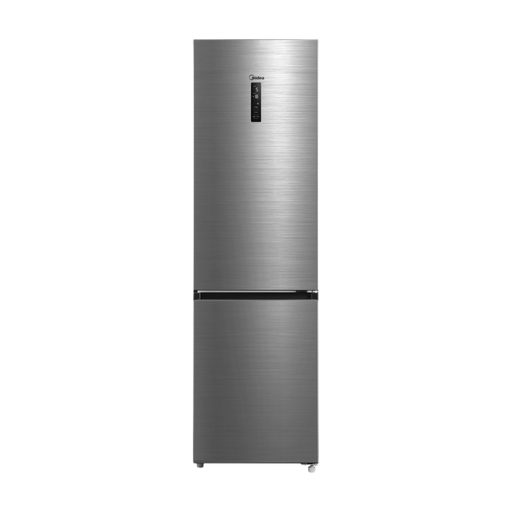
Why it suits this type of buyer: This freestanding fridge-freezer offers a spacious, practical layout with adjustable shelves, electronic controls and Total No Frost for everyday use.
The product information lists a dedicated freshness zone for fish and meat, as well as a fully frost-free system. Before buying, check the exact net capacity and energy details on the label.
378 litres, No Frost, metal cooling, Wi-Fi according to the product description, and a stated noise level of 35 dB.
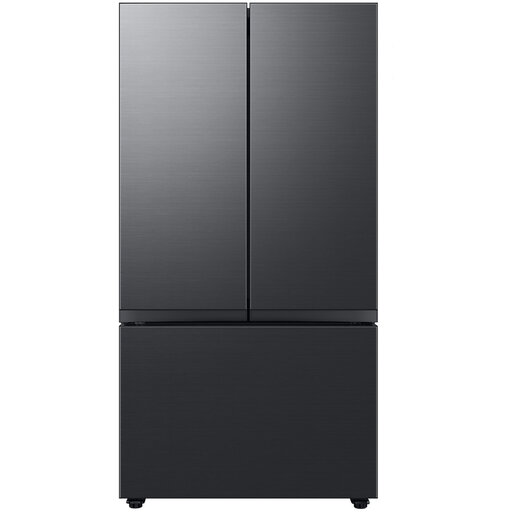
Why it suits this type of buyer: Its very spacious layout is designed for households that want to store plenty of fresh and frozen food at the same time.
The stated dimensions, 674-litre capacity and 38 dB noise level make it easier to check whether it’s right for your home. Allow for its 90,8 cm width, 73 cm depth and E energy rating.
674 litres in total, No Frost, Beverage Center, two types of ice and control via SmartThings according to the product description.
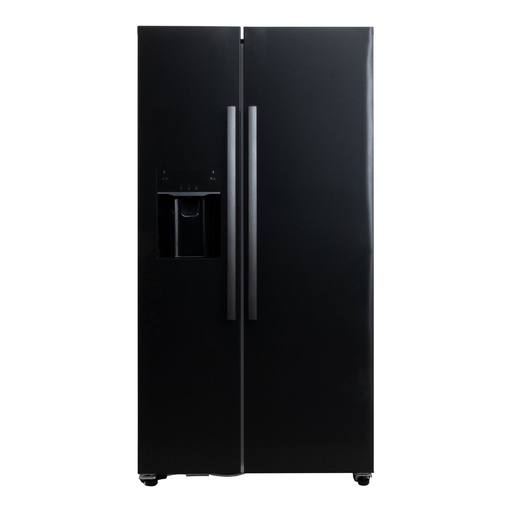
Why it suits this type of buyer: This side-by-side fridge is designed for households that regularly use chilled drinks, ice and large quantities of groceries.
The specifications clearly state that the dispenser needs a mains water connection. This avoids confusion about an internal reservoir, but you’ll need a suitable installation location.
513 litres, Total No Frost, water dispenser, ice cubes and crushed ice, touchscreen and a stated noise level of 39 dB.
We’ve put together a complete, up-to-date list of products that meet these strict selection criteria and the applicable European safety regulations.
It depends on the number of people in your household, your cooking habits and how often you shop. Around 350 to 500 litres may be practical for an average family. If you often buy in bulk or freeze lots of food, a larger fridge-freezer may suit you better. As well as the total capacity, pay close attention to how the space is divided between the fridge and freezer.
No Frost can be useful if you want to avoid manual defrosting. Air circulation helps limit ice build-up in the freezer compartment. The system doesn’t make your fridge maintenance-free: clean the interior, door seals and any water components according to the manual.
Use the annual energy consumption shown on the energy label, in kWh. Multiply it by your current electricity tariff. An energy-efficient fridge with a good rating may cost less to run with daily use, but the size, temperature setting, location and how often you open the door also affect its actual energy use.
