
Vandaag of morgen in huis

Kwaliteit gegarandeerd

Welkomstaanbiedingen ontgrendelen: GRATIS bezorging | Tot 80% korting | Gratis 30 dagen JoyPlus-proefperiode
Download de app
A new fridge freezer might seem straightforward to choose at first glance. Yet many households end up with a fridge freezer that proves impractical after just a few months. The door opens the wrong way, the freezer compartment is too small, or the appliance is noisier than expected.
So don't just focus on the number of litres or a low sale price. The layout, dimensions, energy rating and cooling technology all determine how much convenience you'll enjoy day in, day out.
A 260-litre model sounds spacious, but the split between fridge and freezer space varies from appliance to appliance. A household that mainly buys fresh produce will benefit more from a large fridge section. If you like to stock up on frozen goods, pay attention to a 4-star freezer and plenty of freezer drawers.
Always check the individual capacities. A compact fridge freezer might offer, for example, 153 litres of fridge space and 74 litres of freezer space. That tells you far more than just the total volume.
With a No Frost fridge freezer, the product specification states that ice build-up in the relevant compartment is automatically limited or prevented. This usually means you won't need to defrost it manually. Do check whether No Frost applies to both the fridge and freezer sections.
A Low Frost fridge reduces the amount of ice, but it doesn't always eliminate the need for manual defrosting. Low Frost can be a practical middle ground when price and energy consumption matter more than a completely maintenance-free experience.
Don't just measure the alcove or the floor space. Also consider:
A freestanding fridge freezer with a reversible door offers extra flexibility. With an American-style fridge or a model with four doors, the hinge direction is often more limited. Also check whether the water dispenser uses a fixed connection or a refillable tank.
For students or single-person households, around 200 to 260 litres may be sufficient, depending on your shopping and cooking habits. Couples and small families often find around 250 to 350 litres works well. Larger families or those who bulk-buy may want to look at 400 litres or more.
As well as litres, consider the layout. Adjustable glass shelves, spacious door bins and transparent freezer drawers make the available space much more usable. A large drawer for fruit and vegetables is handy if you often store fresh produce.
The European energy label runs from A to G. Don't just compare the letter – also look at the stated annual consumption in kWh. A larger appliance can use more electricity than a smaller model, even if it has a favourable energy rating.
So an energy-efficient fridge freezer is identified by the combination of its energy rating, size and annual consumption. Also keep an eye on where you place it: direct sunlight, an oven next to it or poor ventilation can all affect performance.
A quiet fridge is especially important in an open-plan kitchen, a studio flat, or a home where the bedroom is close to the kitchen. Models around 37 to 40 dB are described in the product specifications as relatively quiet. Also check the noise class on the energy label. A compressor can sound different when starting up compared to normal operation.
A 4-star freezer compartment is designed for long-term storage at around -18 °C, according to the appliance's product information. Also look at the freezing capacity in kilograms per 24 hours if you regularly freeze fresh groceries.
Features like Multi Air Flow, Super Cool and Fast Freeze can be practical, but they don't alone determine suitability. A simple Low Frost fridge with a good layout can be more logical for daily use than a large model with features you rarely use.
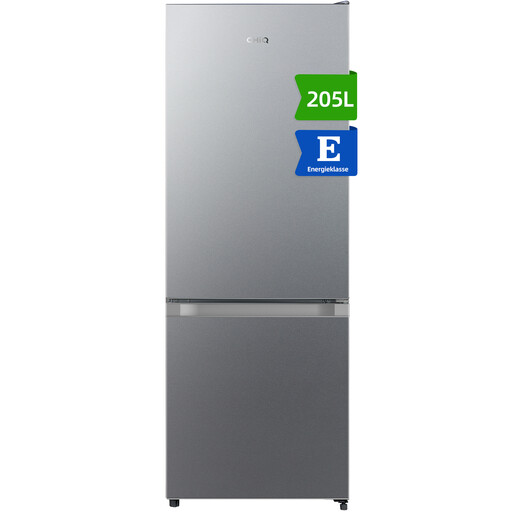
Why it suits this profile: The 205-litre capacity and 54 cm width are ideal for smaller kitchens, studio flats and households looking for straightforward storage.
The product specification lists the fridge and freezer capacities separately: 153 and 52 litres. Low Frost technology reduces ice build-up, but still requires periodic maintenance.
205-litre capacity, reversible door, adjustable feet and a stated noise level of 39 dB.
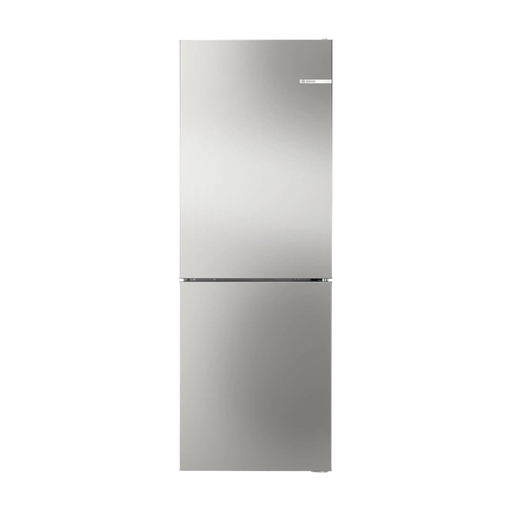
Why it suits this profile: This model combines a 308-litre capacity with No Frost, VitaFresh according to the product description, and separate temperature control.
The specifications state 189 litres of fridge space, 90 litres of freezer space and a 4-star freezer rating. This lets you match the capacity to your shopping habits.
No Frost, 11 kg freezing capacity per 24 hours, 189 kWh stated annual consumption and a noise level of 40 dB.
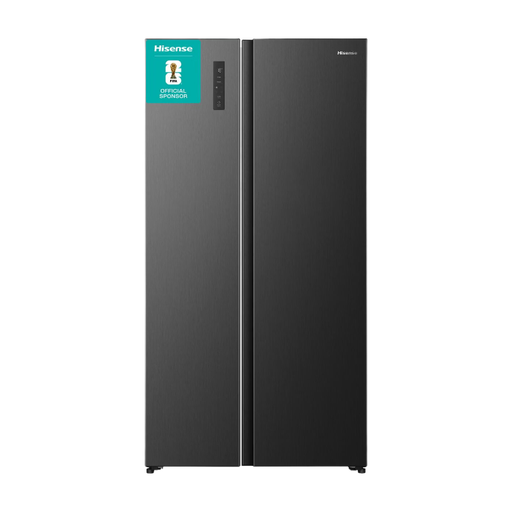
Why it suits this profile: With a total capacity of 558 litres, this American-style fridge is designed for large households, bulk shopping and intensive daily use.
The dimensions are 178.6 cm high, 91.1 cm wide and 61.5 cm deep. So measure your doorways and kitchen space carefully beforehand.
No Frost, 347 litres of fridge space, 197 litres of freezer space, water dispenser and a stated noise level of 37 dB.
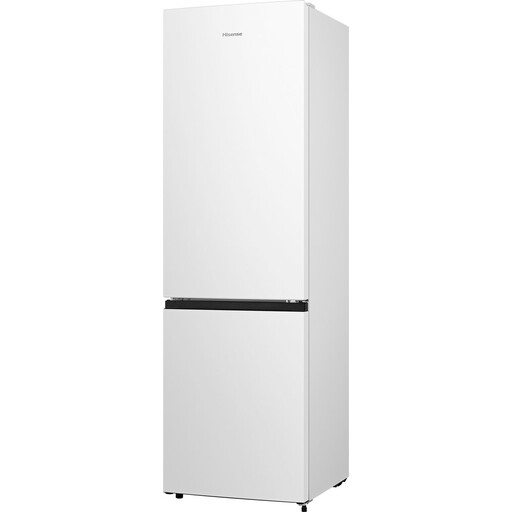
Why it suits this profile: The 55 cm width and 255-litre capacity offer a practical combination for a family kitchen with limited floor width.
The stated dimensions are 179.7 cm high, 55 cm wide and 56.3 cm deep. The door is reversible, which helps with different kitchen layouts.
Total No Frost, 0° Cooling Plus drawer, 4-star freezer compartment, 38 dB and a stated annual consumption of 215 kWh.
We've put together a full, up-to-date list of products that fully meet these strict selection criteria and comply with current European safety regulations.
Set the appliance level using the adjustable feet and keep the ventilation openings clear. Don't place a fridge directly next to an oven, radiator or in direct sunlight. After transport, leave the appliance to stand according to the instructions in the manual before plugging it in.
Clean the door seals, shelves and drawers regularly. Check that the door closes properly; a worn or dirty seal can increase energy consumption. With Low Frost, occasional defrosting is needed. With No Frost, cleaning is still important, even when manual defrosting isn't required.
That depends on your shopping habits. As a rough guide, you might consider around 100 to 150 litres of fridge space per person. For families, the ratio between fridge and freezer space is especially important. So look at the individual compartments, not just the total.
Not necessarily. No Frost usually requires less manual defrosting, while Low Frost can be a suitable choice if you're mainly looking for a simple model. Also compare the noise level, energy consumption, layout and purchase price.
The cost depends on the annual consumption in kWh and your electricity tariff. Multiply the stated annual consumption on the energy label by your current price per kWh. A larger appliance can use more energy, even if it has a favourable energy rating.
