
Vandaag of morgen in huis

Kwaliteit gegarandeerd

Welkomstaanbiedingen ontgrendelen: GRATIS bezorging | Tot 80% korting | Gratis 30 dagen JoyPlus-proefperiode
Download de app
Choosing a new fridge-freezer can sometimes feel like navigating a maze. You're bombarded with specifications, and every manufacturer promises the world. But which features are genuinely useful, and which are just clever marketing? As a Joybuy Product Recommendation Officer, I'm here to help you cut through the noise and make a choice that fits your household and your budget. Let's look at the three most common pitfalls so you can avoid making a bad purchase.
Manufacturers often advertise an impressive number of litres, but this is usually the gross capacity. The actual, usable space (net capacity) is often much smaller due to thick insulation walls, large drawers, or awkward layouts. You end up paying for space you can't use. So, don't get fixated on the total volume; instead, critically examine the layout and the net litres.
Almost every modern fridge-freezer has No Frost, which prevents ice build-up and saves you the tedious chore of defrosting. But not all systems are created equal. Simple No Frost systems can dry out the air in the fridge compartment, causing fruits and vegetables to wilt faster. More advanced systems, such as those with dual cooling circuits, keep the fridge and freezer sections separate. This not only prevents dehydration but also stops the smell of your fish from mingling with your cream cake.
Especially in an open-plan kitchen, the sound of your refrigerator is an important factor. A difference of a few decibels might seem small, but it can be the difference between a peaceful living environment and a constant, annoying hum. A quiet fridge-freezer (under 38 dB) is not an unnecessary luxury, but essential for a comfortable home.
To make a smart choice, focus on the specifications that truly matter. These are the three most important points to check before you buy.
Since 2021, the energy label has been updated and now runs from A (very efficient) to G (very inefficient). The requirements have become much stricter. Today, a model with a C or D rating is already considered a very energy-efficient fridge. A more efficient model is more expensive to purchase but will save you significantly on your energy bill in the long run. Replacing an old fridge (10+ years) with a modern, efficient model can save you tens of euros annually.
The required capacity depends on the size of your household. Here is a simple guideline:
Besides volume, consider flexibility. Are the shelves adjustable? Is there a bottle rack? Does the freestanding fridge with freezer have convenient drawers for vegetables and meat? A smart layout makes a world of difference in daily use. For those who need a lot of space, an American-style fridge might be worth considering.
As mentioned earlier, a No Frost fridge-freezer is a must. Look for systems with separate air circulation (often indicated by terms like 'Twin Cooling' or 'DuoCooling'). These ensure optimal humidity in the fridge compartment, keeping your groceries fresher for longer. Some models also have special 'fresh zones' where the temperature is around 0°C, ideal for meat and fish.
Based on objective specifications, we have selected a number of models that suit different households.
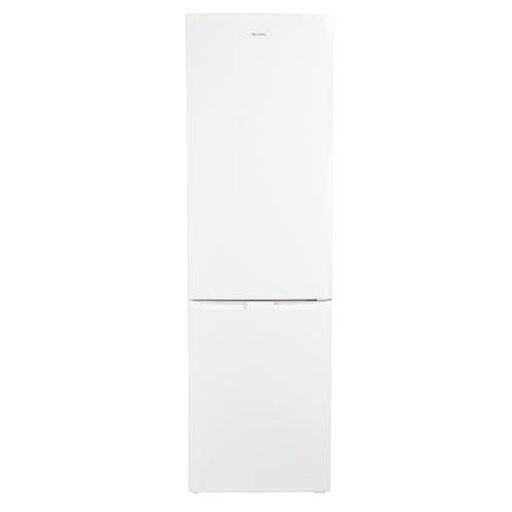
Why This Fits Their Persona: A no-frills model with a practical net capacity and a reversible door. Ideal for a first home or a smaller household where functionality and a competitive price are top priorities.
This model focuses on usable space without unnecessary features that drive up the price. You get an honest 253 litres of net capacity for your money.
Practical capacity for 2-3 people and a reversible door for flexible placement in any kitchen.
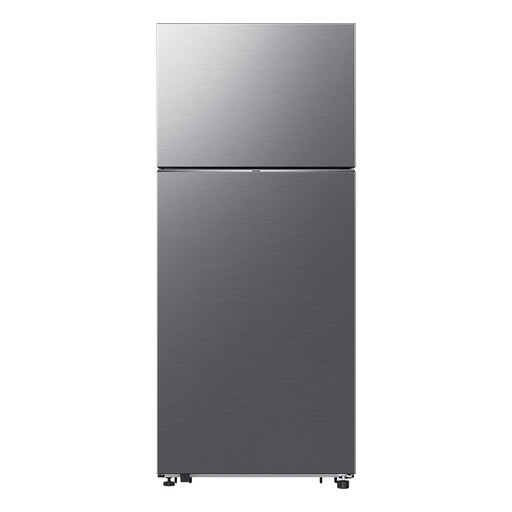
Why This Fits Their Persona: With a massive 530-litre capacity and an extra-wide design, there's always room for a large family's weekly groceries, meal preps, and frozen food stock.
This Samsung fridge goes beyond standard No Frost. According to Samsung, its Twin Cooling Plus technology with two separate cooling systems prevents odour transfer and food dehydration.
Gigantic 530L capacity and advanced cooling technology for better food preservation. The SmartThings connectivity offers extra convenience for monitoring energy consumption.
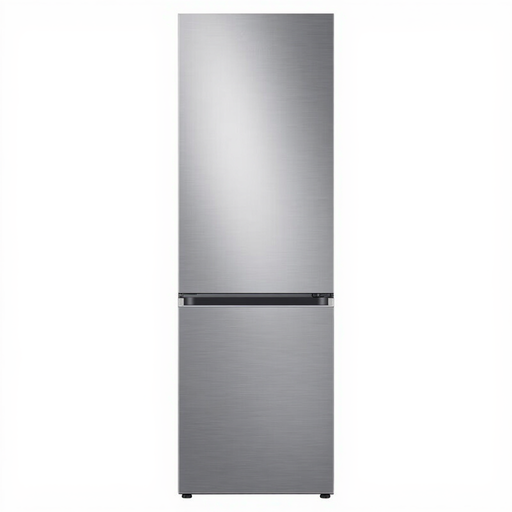
Why This Fits Their Persona: Perfect for modern homes with an open-plan kitchen, where a low noise level and a sleek design are essential. The 344-litre capacity is more than enough for couples and small families.
With a noise level of just 35 dB, this is one of the quietest models on the market. You avoid the pitfall of a disruptive hum in your living space.
Extremely quiet (35 dB) and highly energy-efficient with an Energy Class C rating. The Optimal Fresh+ drawer offers flexible storage for different types of food.
We have compiled a complete, up-to-date list of products that meet these strict selection criteria and local regulations.
A fridge is considered quiet when its noise level is below 38 decibels (dB). Models at 35 dB or lower are exceptionally quiet and barely audible, comparable to a whisper in a library. This is ideal for open-plan kitchens or studio apartments.
No Frost completely prevents ice build-up in the freezer compartment by continuously circulating cold, dry air. This means you never have to defrost manually again. Low Frost significantly reduces ice formation but doesn't eliminate it entirely. With a Low Frost model, you typically still need to defrost about once a year. It is a more budget-friendly alternative to full No Frost.
The savings depend on the energy labels of your old and new appliances. A 10-15 year old fridge-freezer often has an (old) A+ label, which is comparable to an F or G rating on the new scale. Switching to a model with a C rating can, depending on electricity prices, result in savings of €50 to as much as €100 per year. This often makes the higher purchase price worthwhile in the long run.
