
Vandaag of morgen in huis

Kwaliteit gegarandeerd

Welkomstaanbiedingen ontgrendelen: GRATIS bezorging | Tot 80% korting | Gratis 30 dagen JoyPlus-proefperiode
Download de app
A new fridge freezer might seem straightforward to choose at first glance. Yet there are clear differences in capacity, dimensions, energy consumption and maintenance. A model that looks compact in the shop can turn out to be too deep at home. And a fridge freezer that the product description says is “quiet” can still be audible in an open-plan kitchen.
The main pitfalls to watch out for are:
For a single person or a couple, a compact fridge freezer of around 200 to 230 litres may be sufficient. A household that buys in bulk more often will usually need around 250 to 330 litres. Pay attention to the individual compartments.
A fridge freezer of 255 litres might, for example, consist of 188 litres of fridge space and 67 litres of freezer space. That’s a very different practical layout from a model with roughly 153 litres of fridge space and 74 litres of freezer space. So check:
If you mainly store fresh groceries, you’ll benefit from a generous fridge zone. For frozen meals, bread and supplies, the freezer capacity is what matters most.
A freestanding fridge freezer is flexible to position, but measure the space carefully beforehand. Note the width, height and depth, and allow for:
A fridge freezer with a reversible door can be handy in a narrow kitchen. Do check whether you need to do the conversion yourself and whether all the necessary parts are supplied. After reversing, the door must close evenly and seal properly against the door gaskets.
With a No Frost fridge freezer, cold air is circulated throughout the appliance and moisture is removed. According to the product description for the Hisense RB329N4AWE, Total No Frost is present in both the fridge and freezer sections. This can reduce the need for manual defrosting. Always check the technical data sheet, as some models only have No Frost in the freezer section.
Low Frost reduces the amount of ice, but doesn’t always eliminate maintenance. The CHiQ JR205LSE and JR227LSE mention Low Frost, and the EU product information indicates manual defrosting. That’s an important difference if you want to spend as little time as possible on maintenance.
For an open-plan kitchen, the noise level is relevant. Models around 37 to 40 dB(A) fall into noise class C according to the product information, or are described as quiet by the manufacturer. How audible they actually are also depends on the floor, distance from the wall and the compressor cycle.
An energy-efficient fridge freezer isn’t just recognisable by the letter on the energy label. The current EU scale runs from A to G. In the range, several models come with energy class E, while some appliances have class D.
Always check the annual consumption:
The actual cost depends on your electricity tariff and usage. Leave enough ventilation space, don’t place the appliance next to an oven or radiator, and check the door seals. A poorly sealing door can increase consumption.

Why this fits the profile: The 54 cm width and 205-litre capacity suit singles, couples and smaller kitchens. The reversible door gives you extra flexibility when positioning it.
The product information states Low Frost, not No Frost. This makes it clear that occasional defrosting may still be part of the maintenance routine.
153 litres of fridge space, 52 litres of freezer space, energy class E and a stated noise level of 39 dB(A).
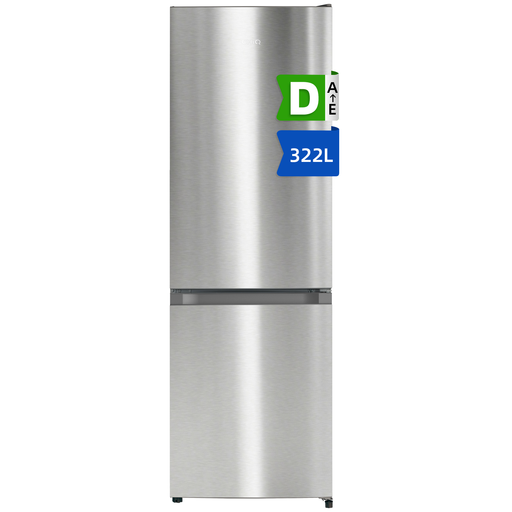
Why this fits the profile: This model combines a generous capacity with Total No Frost, Multi-Airflow and an inverter compressor. That suits families who store plenty of supplies and want to minimise maintenance.
The product data sheet separately lists 226 litres of fridge space, 37 dB(A), energy class D and automatic defrosting. So you don’t have to rely on just a marketing name.
322 litres total, energy class D, 37 dB(A), LED controls and a reversible door according to the product description.
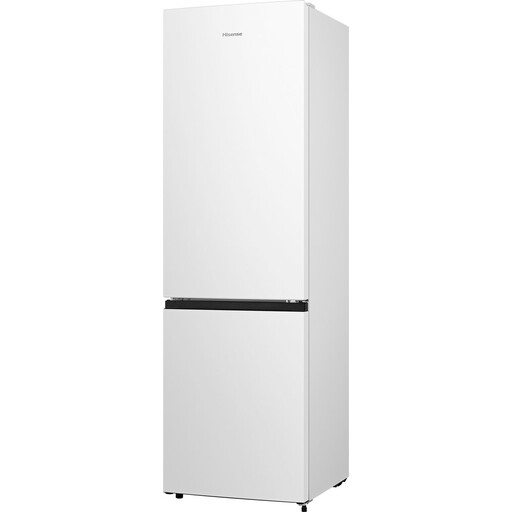
Why this fits the profile: The layout with 188 litres of fridge space and 67 litres of freezer space is practical for everyday family use. The 0° Cooling Plus drawer is designed, according to the manufacturer, for items such as meat, fish and dairy.
The specifications mention Total No Frost, 38 dB(A), 215 kWh per year and a reversible door. This data makes comparisons easier.
255 litres net capacity, Total No Frost, Fast Freeze with a stated capacity of 4 kg per 24 hours and energy class E.
We’ve put together a full, up-to-date list of products that fully meet these strict selection criteria and comply with current European safety regulations.
For two people, around 200 to 260 litres is often a good starting point. If you shop several times a week, you can manage with less. If you like to stock up or freeze lots of meals, choose a model with enough freezer space rather than just a larger total volume.
The lifespan depends on usage, ventilation, maintenance and the quality of the components. Keep the ventilation openings clear, clean the door seals and don’t put warm food inside. For warranty and service information, always check the product page and the seller’s terms and conditions.
Use the annual consumption on the EU energy label as your starting point. Multiply the number of kWh by your current electricity tariff. An appliance with energy class E may cost less or more than a class D model depending on its size; the annual kWh figure makes the comparison more concrete.
