
Weekend cook with opened cream
You want to know whether you can keep your cream properly chilled from the day you open it until your weekend lunch. The type of cream, the actual fridge temperature and the storage instructions all matter.


Choose a fridge freezer that fits your kitchen and lets you set the fridge to 4 °C and check its temperature, as recommended by the Netherlands Nutrition Centre. How long opened cream keeps also depends on the type, when it was opened and the storage instructions; extra freezer space or No Frost will not extend its shelf life by itself. So compare the capacity of each compartment and the annual energy consumption against your usual needs.
You want to know whether you can keep your cream properly chilled from the day you open it until your weekend lunch. The type of cream, the actual fridge temperature and the storage instructions all matter.
You’re looking for fridge and freezer space within limited external dimensions. Also check that the door can open fully and that the layout works for you.
You use your appliance all year round and want to balance the capacity you need against its annual energy consumption. Milieu Centraal recommends choosing a size that suits your needs.
For opened cream, it’s useful to be able to adjust the fridge temperature, but you should also check the temperature it actually reaches. The Netherlands Nutrition Centre recommends 4 °C and gives different storage times for different types of cream.
| What to consider | What to look for | Who is this important for? |
|---|---|---|
| Keeping opened cream chilled | Check how to set the fridge temperature and measure the actual temperature once the appliance is installed; follow the label and advice for your type of cream. | If you’re keeping cream for a weekend lunch, you’ll want to know whether the temperature and storage time are right for that product. Around 36% of consumers put keeping opened cream at the top of their list. |
| Fitting into your kitchen | Measure the height, width, depth and door clearance, then compare the fridge and freezer capacities. | If space is limited, you’ll want an appliance that fits and whose door can open easily. Around 29% of consumers say kitchen space is their main concern. |
| Energy consumption for everyday use | Compare the annual consumption in kWh on the EU energy label of models with a suitable capacity. | If your fridge freezer runs every day, you’ll want a size that suits your household and makes it easy to compare energy consumption. Around 21% of consumers focus mainly on annual energy use. |
| Freezer space and maintenance | Compare the capacity of both compartments; check whether the specific model has No Frost if you want to defrost it manually less often. | If you also store frozen food, you’ll want enough freezer space without overlooking your fridge needs. Around 14% of consumers prioritise freezer space and defrosting maintenance. |
A feature or model name doesn’t prove that cream is being kept at the recommended temperature. The Netherlands Nutrition Centre recommends 4 °C; storage times also vary depending on the type of cream.
Check the temperature in your fridge and follow the label and storage advice for your particular type of cream.
If you don’t follow the temperature guidance or product-specific advice, food could go to waste.
Freezer space doesn’t change the storage advice for cream kept in the fridge compartment. Milieu Centraal warns that an unnecessarily large fridge uses more energy than needed.
Work out how much fridge and freezer space you need separately, then compare annual energy consumption.
A larger appliance could take up space you don’t need and use more energy than necessary.
External dimensions don’t tell you how much usable space each compartment offers or whether the door can open fully. For the LG GBBS525CPY, LG specifies a minimum gap of 4 mm between the side of the appliance and a wall.
Measure the space and the clearance needed for the door; also check the separate fridge and freezer capacities on the energy label.
An unsuitable door clearance or layout could make everyday use more difficult.
ACM ConsuWijzer explains that statutory guarantees apply in addition to a manufacturer’s or retailer’s warranty. What you can expect from a product depends partly on normal use; there isn’t always a fixed statutory period of exactly two years.
If the appliance breaks down earlier than you could reasonably expect, discuss your rights with the retailer.
A freestanding model to consider if being able to set separate temperatures for the fridge and freezer compartments is important to you.
A model to consider if the width available in your kitchen is a key limitation.
A model to consider if you’re looking for more total capacity as well as fridge space.
This selection includes fridge freezers in different sizes and a compact fridge with a freezer compartment. Compare the layout with the space in your kitchen and the fridge and freezer capacity you normally use.
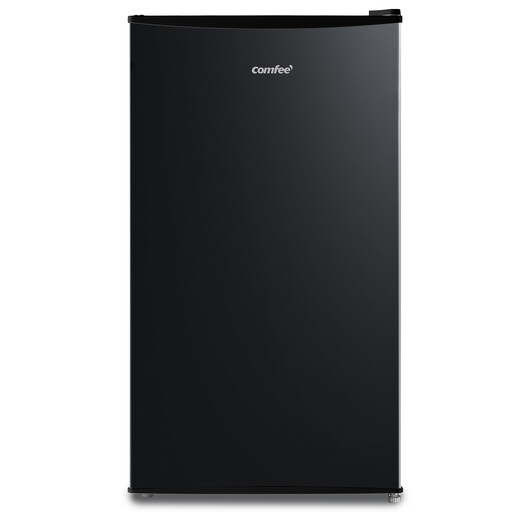 No image available
A compact option if you’re looking for separate fridge and freezer compartments; the adjustable temperature control doesn’t confirm the actual temperature reached inside the fridge.
Joybuy lists 68 L of fridge space, 12 L of freezer space, a height of 84,5 cm, a reversible door and energy class E. The specified freezer temperature range is −18 °C to −8 °C.
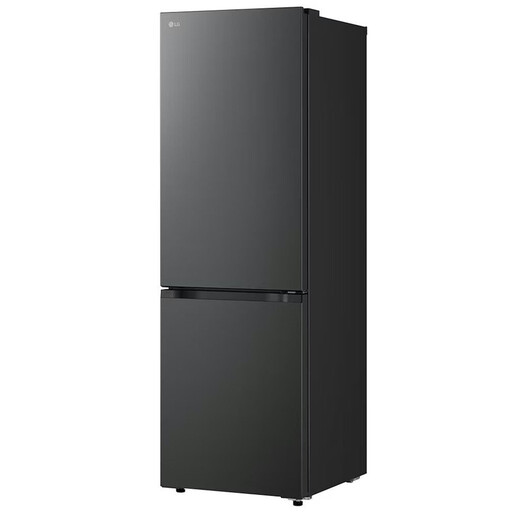 No image available
A larger option if you need space for your usual shopping as well as chilled cream. A set temperature isn’t a measurement of the actual temperature reached inside the fridge.
Joybuy lists 220 L of fridge space and 113 L of freezer space. The product name includes DoorCooling+™, LinearCooling+™, Wi-Fi with ThinQ, energy class C and a metallic black finish.
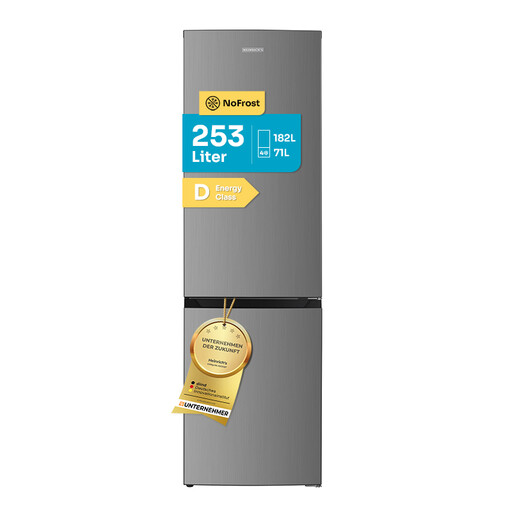 No image available
An option if you want to store chilled and frozen food separately. A dial or super cooling function alone doesn’t show the actual temperature reached inside the fridge compartment.
Joybuy lists 182 L of fridge space, 71 L of freezer space, No Frost and a noise level of 39 dB. The product name specifies a reversible fridge door and a stainless steel finish.
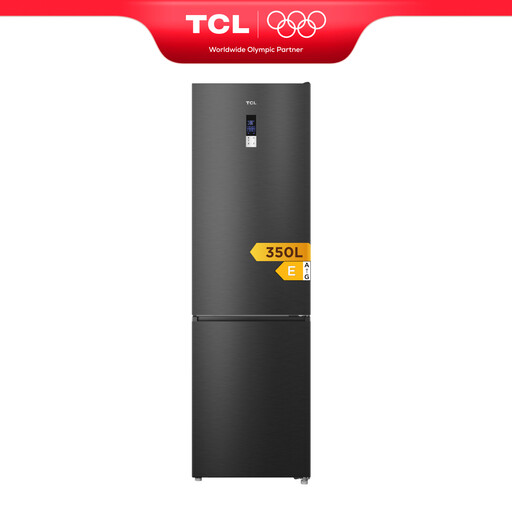 No image available
An option if you want to compare a fridge and freezer in one appliance against the space available in your kitchen and your usual shopping needs.
Joybuy lists a capacity of 350 L, split between 248 L of fridge space and 102 L of freezer space, and energy class E.
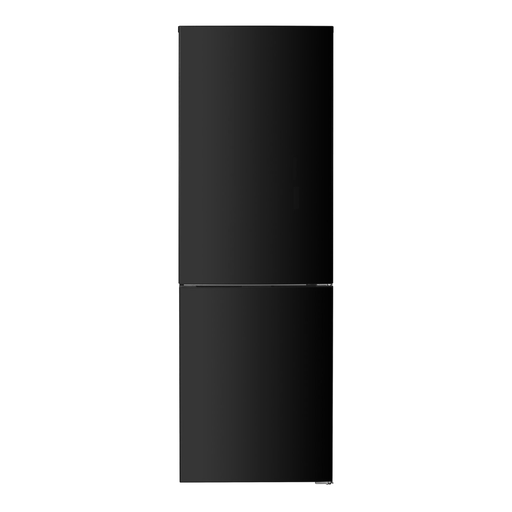 No image available
An option if you want to adjust the fridge temperature and also need freezer space. Check the temperature after installation; an adjustable dial doesn’t prove what temperature the appliance actually reaches.
Joybuy lists 210 L of fridge space, 83 L of freezer space, No Frost and energy class E.
It depends on the type of cream, the label and how the pack has been stored. The Netherlands Nutrition Centre gives storage times of 4–6 days in the fridge for opened, unwhipped double cream and 3–5 days for cooking cream; it recommends setting your fridge to 4 °C. These storage times apply to the products mentioned and aren’t a guarantee if the pack hasn’t been kept chilled properly or has been contaminated. Follow the label and check the use-by date too.
Put the cream back in the fridge promptly and set it to 4 °C, as recommended by the Netherlands Nutrition Centre. Store leftover cooking cream in its closed bottle or carton, and use a clean spoon to serve whipped cream.
Not always; the result depends on the type of cream and the dish. According to the Netherlands Nutrition Centre, unwhipped double cream is less suitable for freezing because its texture may change. It gives a freezer storage time of one month for cooking cream, after which its quality may deteriorate.
Compare the stated consumption in kWh per year on the EU energy label of appliances with a capacity that suits your needs. The annual cost also depends on your own electricity tariff.
You may do; statutory rights depend on what you could reasonably expect from the product under normal use. ACM ConsuWijzer explains that statutory guarantees apply in addition to a manufacturer’s or retailer’s warranty, and that there isn’t always a fixed statutory period of exactly two years. The retailer is responsible if the product doesn’t meet those expectations.