
Weekend cook with portions of cheese
Wants to keep cheese chilled, organised and stored according to the packaging; extra freezer space is mainly useful for other groceries. The Netherlands Nutrition Centre recommends setting your fridge to 4 °C.


If your current fridge has enough space and is set to 4 °C, you don’t need a new appliance just to store portions of cheese. Store cheese according to the packaging and the guidance for that type of cheese; the Netherlands Nutrition Centre recommends keeping your fridge at 4 °C. If you’re replacing your appliance, start by finding the right size, then compare the separate fridge and freezer capacities and annual energy consumption. Extra freezer space or No Frost is most useful if you also use the freezer for other foods.
Wants to keep cheese chilled, organised and stored according to the packaging; extra freezer space is mainly useful for other groceries. The Netherlands Nutrition Centre recommends setting your fridge to 4 °C.
Has limited space and weighs up a table-top model, fridge capacity and freezer compartment separately. The Consumers’ Association points out that fridges come in different styles, including table-top and upright models.
Wants space for frozen food or leftovers as well as lunch ingredients, so checks the freezer’s suitability, maintenance requirements and energy consumption.
First check whether your current fridge can keep your cheese properly chilled and organised. If you’re replacing it, consider the space available in your kitchen and what you actually want to freeze.
| What to consider | What should you check? | Who is this important for? |
|---|---|---|
| Chilling and storing cheese | Check the temperature with a fridge thermometer and follow the instructions on the packaging; keep opened cheese covered. | When I store cheese for lunch, I want to be able to check the temperature and seal the packaging properly for each type of cheese. Around 36% of consumers prioritise reliable chilling and cheese storage. |
| Dimensions and fridge space | Measure the available space, allowing room for the door and ventilation; compare fridge and freezer capacities separately. | In a small kitchen, I want to know first whether the appliance will fit and how much chilled storage space it offers. Around 29% of consumers prioritise limited space. |
| Freezing capability and maintenance | Decide what you want to freeze and check the freezer star rating; compare maintenance features such as No Frost if you use the freezer regularly. | If I also want to freeze other fresh foods or leftovers, the freezer compartment needs to be suitable for that. Around 14% of consumers prioritise freezing. |
| Energy consumption and size | Compare the stated annual consumption in kWh for models that meet your capacity and size requirements. | I want to factor in energy consumption and avoid choosing a larger appliance than I need for my groceries. Around 21% of consumers prioritise energy consumption in a suitable-sized appliance. |
Storage guidance varies by type of cheese. The Netherlands Nutrition Centre says that soft cream cheese is less suitable for freezing.
First decide which types of cheese you’ll be storing, then follow the instructions on the packaging. Choose extra freezer space only if you also need it for other foods.
Fridge and freezer space serve different purposes, and the stated capacity isn’t always fully usable in practice. The Consumers’ Association points out that usable space can differ from the stated capacity.
Compare the individual compartments and check the shelf layout before choosing a model.
The label rating alone doesn’t tell you the stated annual consumption of a specific model. Milieu Centraal also recommends comparing the energy label’s stated consumption in kWh per year.
Compare that figure across appliances that already meet your space and capacity requirements.
A fridge runs all the time, so its energy consumption adds up continuously.
The freestanding LAGAN 506.194.57 is an upright model with separate fridge and freezer compartments and adjustable shelves.
The KGN33NSDB is a freestanding upright model with separate temperature controls and No Frost.
The RB34C605CWW/EF is a larger upright model with SmartThings features.
The TSE1285N is a compact, freestanding table-top model for anyone with limited space.
This selection includes freestanding fridge-freezers and compact table-top models with fridge and freezer space. They’re for anyone who wants to keep cheese chilled and may also want to freeze other foods.
 No image available
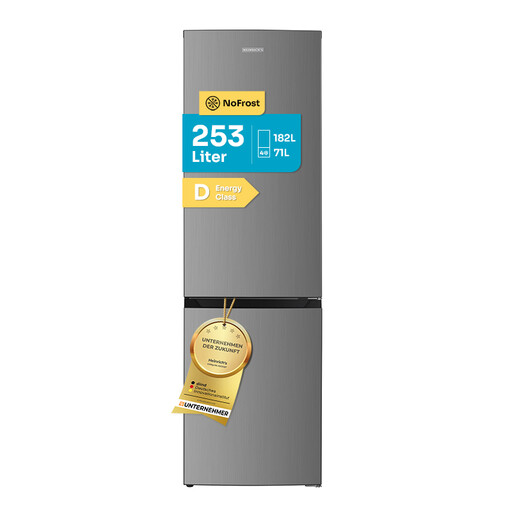
A fridge-freezer for storing chilled cheese and other groceries separately from frozen food.
The product name lists 182 L of fridge space and 71 L of freezer space, No Frost, a reversible door hinge and 39 dB.
 No image available
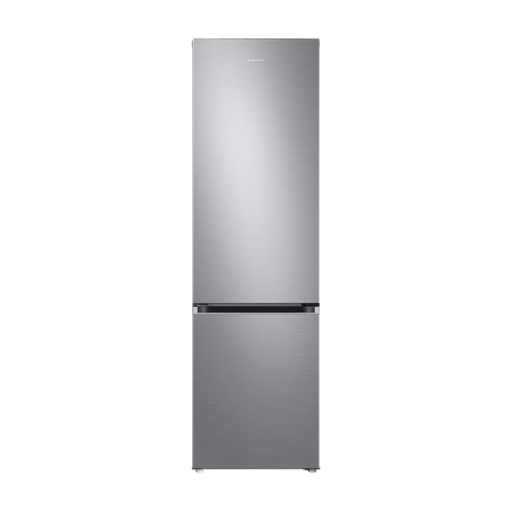
A fridge-freezer for anyone who needs freezer space as well as somewhere to keep cheese chilled.
The product name lists a C energy label, 169 kWh, a height of 2030 mm and a silver finish.
 No image available
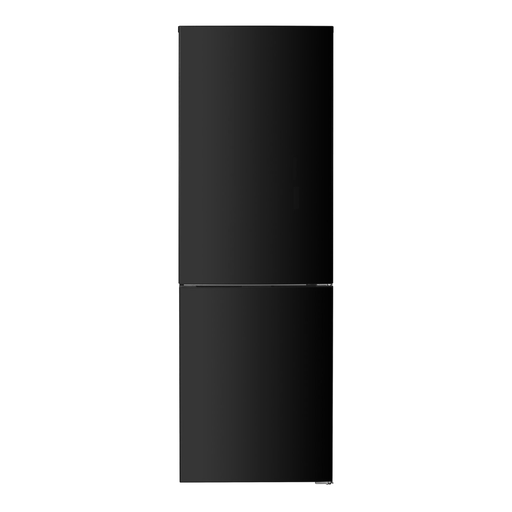
A freestanding fridge-freezer for chilled groceries and food you want to freeze.
The product name lists a total capacity of 293 L, an E energy label and No Frost.
 No image available
A compact table-top model with a freezer compartment, ideal for a kitchen where space is at a premium.
The product name lists a total capacity of 109 L, a C energy label and a white finish.
 No image available
A compact table-top model for chilled groceries, with a freezer compartment for extra storage.
The product name lists a total capacity of 107 L, a C energy label and a 5-year guarantee.
Not as a rule: keep cheese chilled according to the packaging and the guidance for that type of cheese. The Netherlands Nutrition Centre recommends keeping your fridge at 4 °C.
Use a fridge thermometer and compare the reading with the recommended temperature of 4 °C from the Netherlands Nutrition Centre.
According to the Consumers’ Association, a four-star freezer compartment is suitable for freezing fresh food. The star rating alone doesn’t tell you how quickly or evenly a specific appliance freezes food.
Compare the stated annual consumption in kWh on the energy labels of models whose dimensions and capacity suit your kitchen and shopping needs. Milieu Centraal recommends taking this annual consumption into account.
When you buy a new appliance of the same type, the retailer must take away your old one under the like-for-like take-back scheme. The Dutch Government explains how the scheme works; check in advance how the handover will work when your new appliance is delivered.